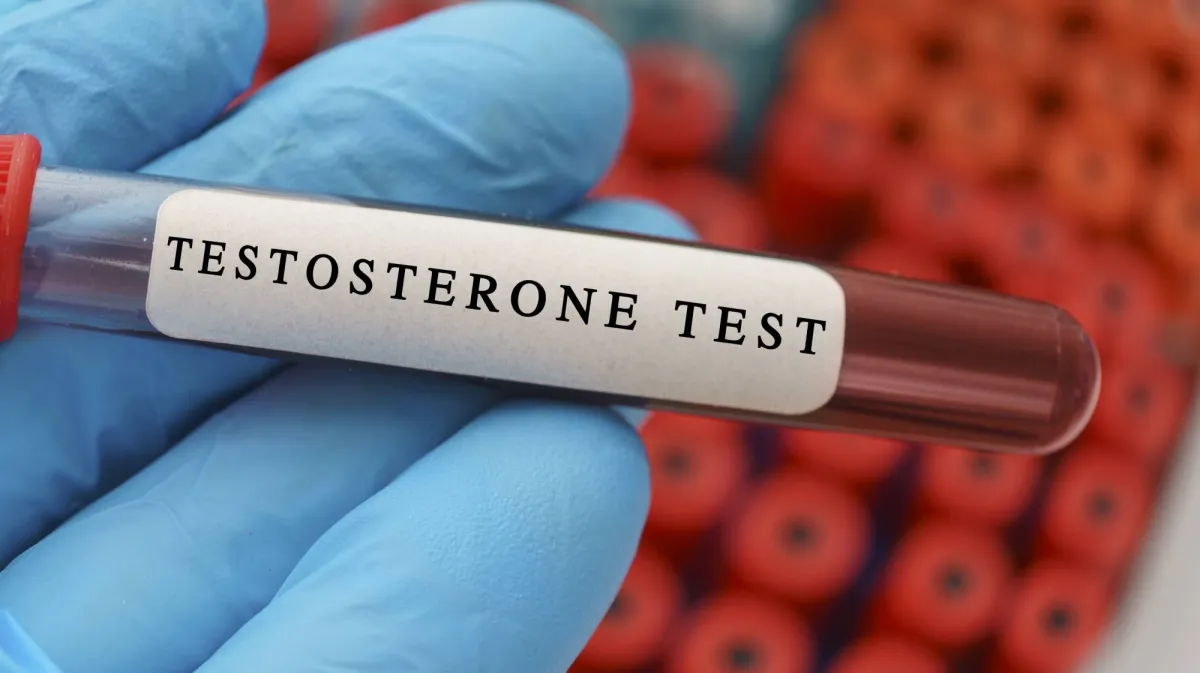
Many men experience low levels of testosterone, which adversely affects their physical and mental health. Testosterone is essential for normal male sexual development and vital functions, as it is secreted in the testes. As men age, testosterone levels decline, leading to a range of symptoms that require attention and treatment.
Studies indicate that low testosterone, known as hypogonadism, can cause noticeable physical and emotional changes. These changes include decreased libido, difficulty achieving erections, fatigue, and reduced muscle mass. Men may also experience mood changes such as depression and irritability, along with increased body fat, particularly around the abdomen.
Details of the Condition
If an individual suspects low testosterone levels, they should consult a specialist for a blood test. Blood analysis is fundamental in diagnosing this condition, as symptoms can overlap with other health issues. According to the American Urological Association, approximately 2.1% of men may suffer from testosterone deficiency, which is more common among those with diabetes or obesity.
The association emphasizes the importance of testosterone therapy when there is a clear decline in levels, and physicians must carefully evaluate the condition, as treatment may have benefits but can also cause side effects. It is crucial for all men, especially older adults, to be screened for heart disease and stroke before starting treatment.
Background & Context
Irritable bowel syndrome (IBS) is a common condition affecting many individuals, characterized by symptoms such as abdominal pain, bloating, diarrhea, and constipation. These symptoms may be accompanied by pelvic pain, raising questions about the relationship between the two conditions. Research shows that multiple factors may explain this relationship, including abnormal contractions in the pelvic muscles.
Studies suggest that individuals with IBS may experience heightened pain sensitivity, increasing discomfort in the pelvic area. Additionally, there are shared neural pathways between the organs in the abdominal and pelvic regions, leading to overlapping symptoms. Understanding this relationship is crucial for improving the management of both conditions.
Impact & Consequences
Managing low testosterone and IBS requires special attention from healthcare providers, as these conditions can significantly affect patients' quality of life. Patients are advised to adopt a healthy lifestyle, including exercise and proper nutrition, which may help alleviate symptoms. Psychological therapy is also an important part of the treatment plan, especially for those suffering from depression or anxiety.
The importance of awareness regarding these conditions is increasing, as a better understanding of symptoms and treatments can lead to improved health outcomes for patients. Physicians should provide support and guidance to patients, contributing to enhanced public health.
Regional Significance
Issues of mental and physical health are major challenges in the Arab region, where rates of diseases such as diabetes and obesity are rising. Joint efforts from governments and communities are required to improve health awareness and promote healthy lifestyles. Awareness and education programs can help reduce the incidence of these conditions, leading to improved quality of life.
In conclusion, low testosterone and IBS are health issues that need further research and awareness. By understanding the relationship between them, treatment management can be improved, and necessary support can be provided to patients.