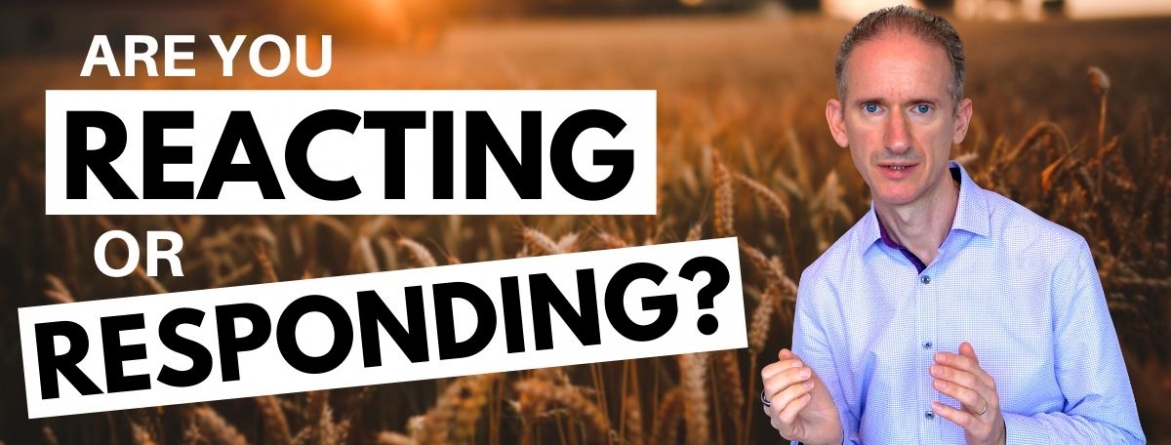
In a world filled with challenges and unexpected situations, it becomes essential to understand the difference between reaction and response. While reaction focuses on immediate and emotional responses, a response requires thought and prior planning. This understanding can profoundly impact how individuals and communities deal with crises.
Research shows that people who learn how to respond rather than react tend to achieve better outcomes in various aspects of life. Whether in work or personal relationships, the ability to pause and think before making a decision can lead to more positive results.
Event Details
In recent years, we have witnessed numerous examples of how quick reactions have affected situations. For instance, during health crises such as the COVID-19 pandemic, there were many immediate reactions that led to confusion and misunderstandings. In contrast, other communities took proactive steps to plan and prepare, enabling them to handle the situation more effectively.
When we talk about response, we refer to the ability to objectively assess the situation, analyze the available options, and then make the most appropriate decision. This type of thinking requires ongoing training and development, which can significantly impact the lives of individuals and communities.
Background & Context
Historically, people tended to react quickly in critical times, leading to ill-considered decisions. As time has progressed, awareness of the importance of effective response has increased. Many experts in fields such as psychology and personal development emphasize the significance of this understanding.
In social and political contexts, quick reactions can be harmful. For example, in political crises, emotional responses can escalate tensions rather than find peaceful solutions. Therefore, promoting a culture of thoughtful response can positively impact social and political stability.
Impact & Consequences
The difference between reaction and response can have significant implications for individuals and communities. In work environments, for example, quick reactions can lead to internal conflicts and deteriorating relationships. In contrast, a thoughtful response can enhance cooperation and improve performance.
Moreover, in times that require difficult decision-making, thoughtful consideration can lead to more sustainable outcomes. This type of thinking can help individuals navigate crises more effectively, enhancing their ability to adapt to rapid changes.
Regional Significance
In the Arab region, where many countries face multiple challenges, it becomes crucial to promote a culture of response rather than reaction. Political and economic crises require both leaders and citizens to think strategically and take measured steps.
By fostering this culture, Arab countries can achieve greater stability and face challenges more effectively. Investing in education and training in critical thinking skills can have a positive impact on Arab communities.
In conclusion, a deep understanding of the difference between reaction and response can significantly affect how individuals and communities tackle challenges. By promoting a culture of response, we can build more stable and successful societies.