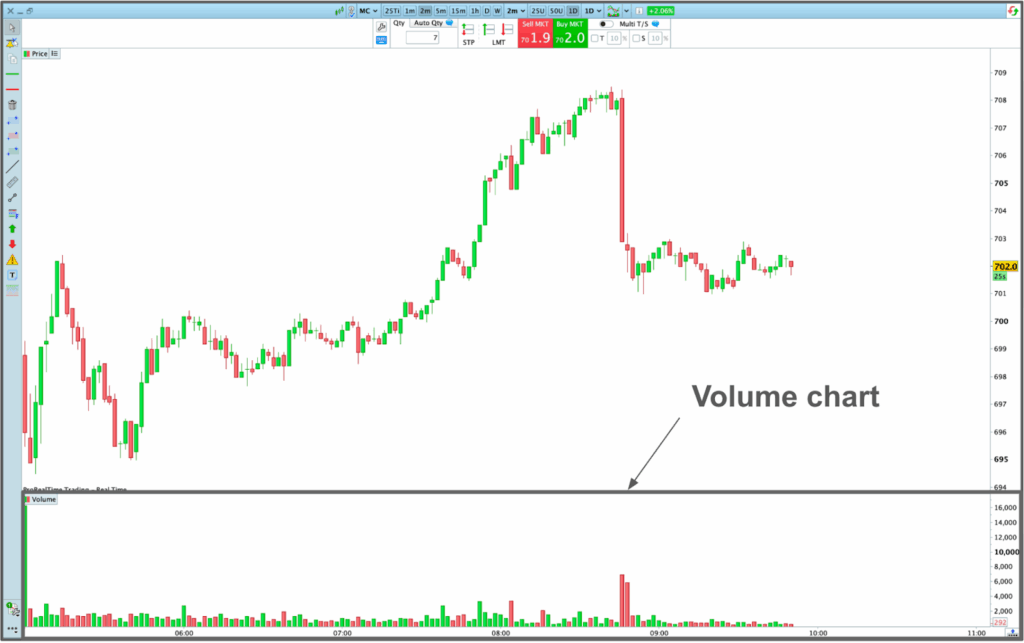
The financial markets are among the most complex fields, where various factors intertwine to affect trading outcomes. In this context, both timing and trade size are key elements in shaping trading results, necessitating an understanding of their mechanisms and impacts.
Timing is one of the fundamental elements that determine the success of any trade. Choosing the right moment to enter or exit the market can make a significant difference in returns. For instance, entering a trade during peak times can lead to higher profits, while entering during downturns may result in losses.
Event Details
Studies show that trading at specific times, such as the beginning of the week or the end of the month, can significantly affect prices. Additionally, trade size also plays an important role. Large trades can lead to noticeable price movements, impacting the market as a whole.
When analyzing trading results, investors must consider how these factors influence their decisions. Poor timing or an inappropriate trade size can lead to unsatisfactory outcomes, requiring investors to develop effective trading strategies.
Background & Context
Historically, financial markets have undergone numerous changes that have affected trading methods. With the advent of modern technology, investors can access information more quickly, enabling them to make more informed decisions. However, challenges remain, as investors must navigate market volatility and associated risks.
Global economic and political events also play a role in shaping trading outcomes. Economic crises or geopolitical tensions can lead to significant market fluctuations, necessitating that investors stay informed about these events and their potential impacts.
Impact & Consequences
The effects of timing and individual trade size extend beyond the individual, as they can influence the market as a whole. When a large number of investors execute significant trades simultaneously, it can lead to substantial price movements, affecting the confidence of other investors. This, in turn, can increase market volatility.
Furthermore, understanding how these factors affect trading results can help investors make more informed decisions. Good planning and appropriate timing can lead to better returns and reduced risks.
Regional Significance
In the Arab region, financial markets play a vital role in the economy. With the increase in both foreign and domestic investments, understanding factors such as timing and trade size becomes even more critical. Investors in the region need to develop strategies that align with the rapid changes in global markets.
Political and economic events in Arab countries directly impact trading results. Therefore, investors must be aware of these events and approach them with caution.
In conclusion, timing and trade size are crucial elements in shaping trading outcomes. Investors must understand how these factors influence their decisions to achieve success in financial markets.