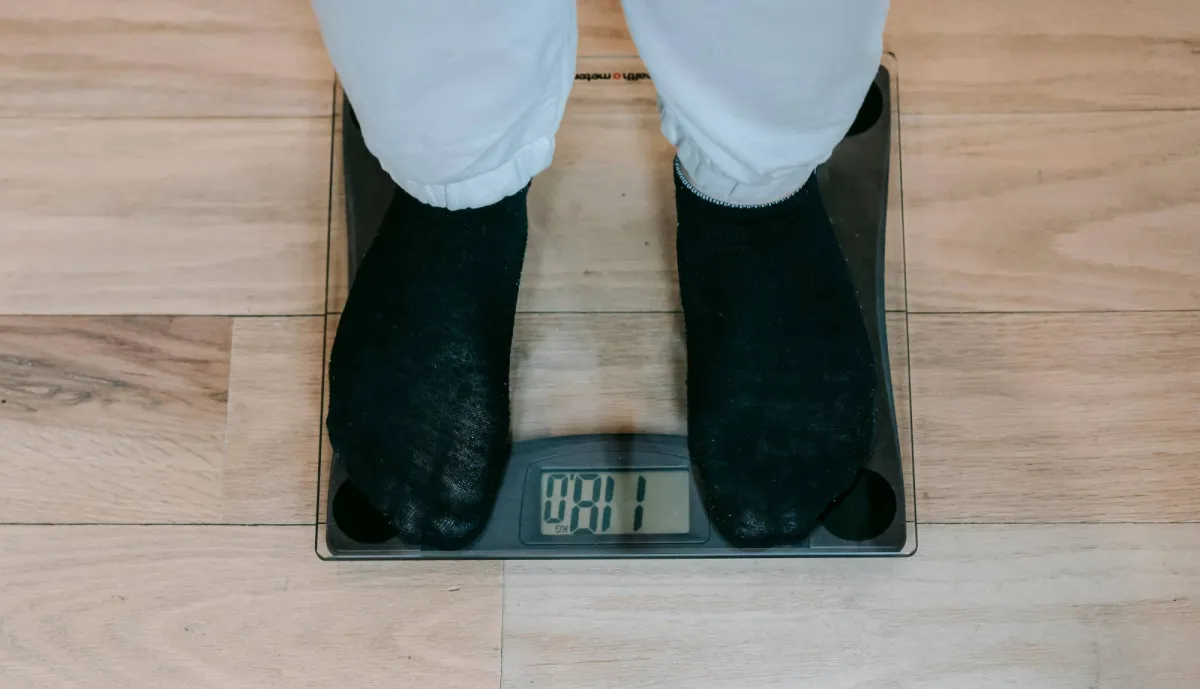
Weight gain can stem from various causes beyond overeating and lack of exercise. Health, hormonal, and psychological factors also play a significant role, necessitating accurate understanding and diagnosis. Understanding the underlying reasons for weight gain is a crucial step in addressing it appropriately, rather than simply changing dietary habits.
One of the most notable conditions that can lead to weight gain is hypothyroidism, a small butterfly-shaped gland located in the neck. When this gland does not produce enough hormones, other symptoms may appear, such as thinning hair, dry skin, a constant feeling of cold, fatigue, constipation, and depression. A simple blood test can determine hormone levels and whether hormone replacement therapy is appropriate.
Understanding the Impact of Depression on Weight
Depression also has a significant impact on weight, as it raises levels of the stress hormone cortisol, contributing to fat accumulation, particularly in the abdominal area. Additionally, feelings of fatigue and loss of motivation can lead to neglecting diet and exercise. Furthermore, some antidepressant medications may cause weight gain.
Insufficient sleep, defined as less than six hours per day, is another factor contributing to increased body fat. Sleep deprivation is linked to elevated levels of cortisol and insulin, which can lead to unwanted weight gain. Approximately eight hours of sleep is considered suitable for maintaining a healthy weight.
Hormonal Changes and Their Effects
During menopause, a decrease in the hormone estrogen contributes to increased fat accumulation, especially in the abdominal area. However, it is not solely hormonal changes at play; accompanying symptoms such as hot flashes, sleep disturbances, and mood swings can make it difficult to adhere to a healthy lifestyle, potentially leading to unhealthy food choices instead of balanced meals.
Cushing's disease occurs when the adrenal glands secrete excessive amounts of cortisol, resulting in fat accumulation in the abdomen and lower neck. Other symptoms include easy bruising, weakness in the limbs, and the appearance of purple stretch marks. Treatment depends on identifying the cause and may include surgery, medication, or radiation therapy.
Consequences of Weight Gain
Polycystic ovary syndrome (PCOS) is another condition that may lead to weight gain, characterized by symptoms such as irregular menstrual cycles, increased hair growth, and acne. This condition can result in weight gain due to decreased insulin sensitivity. A doctor can assist in regulating hormones and developing an appropriate treatment plan.
Sleep apnea, which causes repeated interruptions in breathing during sleep, is also a factor affecting weight. While weight gain is considered one of the causes of this condition, it can also be a consequence. This condition is associated with health complications such as heart disease, high blood pressure, and liver problems.
Weight Gain in the Arab Region
In the Arab region, obesity rates are rising due to multiple factors, including unhealthy dietary habits and lack of physical activity. Understanding the pathological reasons behind weight gain is essential to addressing this phenomenon. Health and awareness efforts must be combined to help individuals recognize these conditions and manage them effectively.
In conclusion, it is crucial for individuals to realize that weight gain is not always a result of overeating but may stem from health, hormonal, and psychological factors. Therefore, those experiencing weight gain should consult a healthcare professional to identify the underlying causes and develop an appropriate treatment plan.