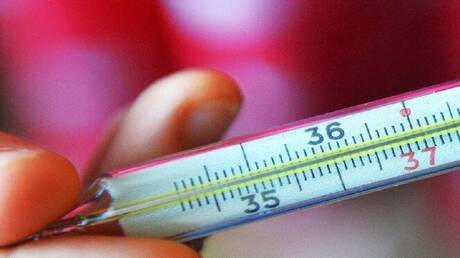
Dr. Olga Saino from Pirogov Medical University explains that mild fever, which ranges between 37 and 38 degrees Celsius, is a common medical condition. However, if it persists for several days or weeks, it may require medical attention.
Fever is a natural response of the body to infections or inflammations. It is usually considered mild if the body temperature is between 37 and 38 degrees Celsius, while moderate and severe fevers are classified when exceeding these limits. Nonetheless, prolonged mild fever may indicate a more serious health problem.
Details of the Condition
Dr. Saino notes that mild fever can result from several factors, including viral or bacterial infections, or even the body's reactions to vaccines. In some cases, mild fever may be a sign of a chronic condition that requires comprehensive medical evaluation.
It is important for individuals experiencing mild fever to monitor for any additional symptoms such as cough, body aches, or severe fatigue. If the fever lasts more than three days, it is advisable to visit a doctor to determine the exact cause.
Background & Context
Fever is a common symptom experienced by many, often accompanied by other symptoms such as cough or sore throat. In many cases, fever can be an indication that the body is fighting an infection. However, understanding when a fever becomes serious requires precise knowledge of the associated symptoms.
Historically, fever was considered a sign of a serious illness, but with advancements in medicine, it has become possible to better identify the underlying causes of fever. Today, evaluating fever is an essential part of medical examinations, helping doctors diagnose conditions more quickly.
Impact & Consequences
Mild fever warrants special attention, especially in light of current global health conditions. With the spread of infectious diseases, it has become crucial for individuals to have adequate awareness of how to manage fever and its symptoms.
Persistent fever can lead to health complications if not addressed properly. Therefore, it is important for individuals to have accurate information about when they should seek medical attention.
Regional Significance
In the Arab region, fever is a common symptom that may indicate various illnesses, including influenza and respiratory diseases. With the increasing number of infections, there should be greater awareness of how to manage fever and its symptoms.
The current health conditions in the region require special attention from both individuals and doctors, as fever can exacerbate health issues if not managed appropriately.
Understanding mild fever and its causes can help individuals make better health decisions. It is essential for everyone to have the necessary knowledge about when they should seek medical attention.