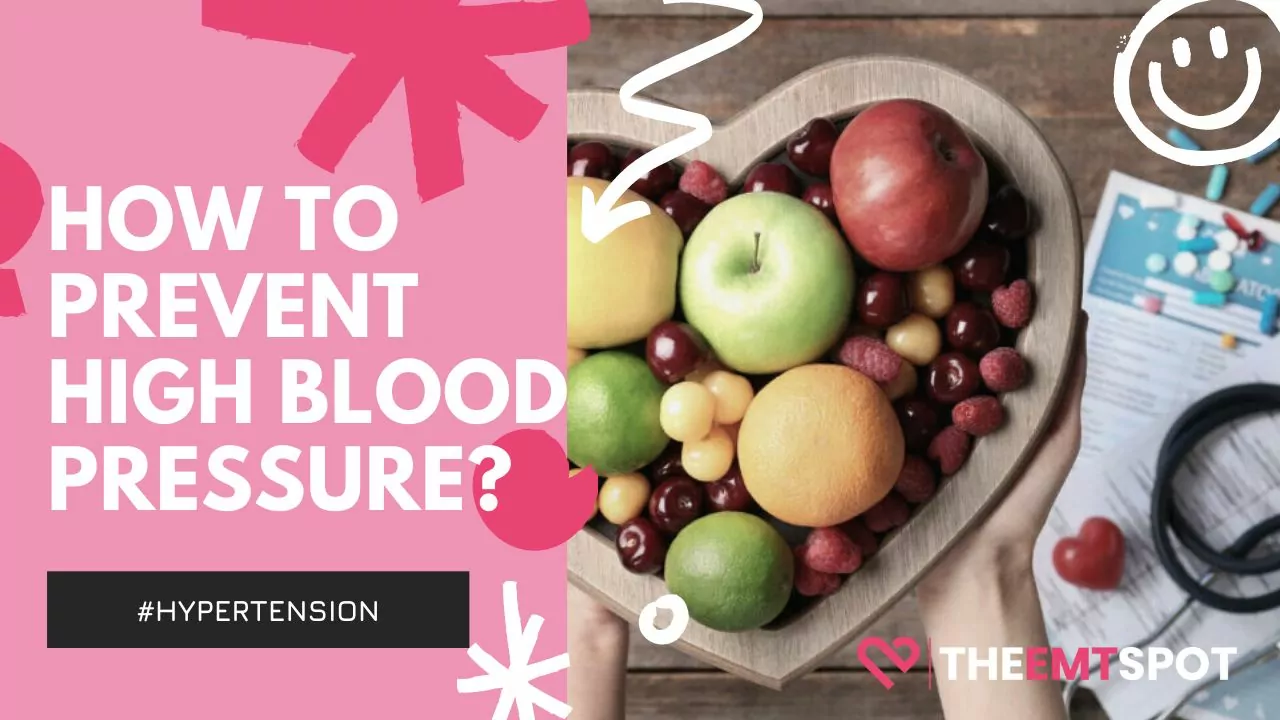
Preventing high blood pressure is crucial as it can lead to serious health complications. Here are six effective methods to help avoid this health issue.
First, regular physical activity is recommended, as exercise contributes to improved cardiovascular health. It is advisable to engage in at least 150 minutes of exercise per week, such as brisk walking or swimming.
Details of the Recommendations
Second, a balanced diet that includes fruits, vegetables, and whole grains should be followed. Reducing salt intake is preferred, as lowering sodium consumption can help decrease blood pressure. It is also important to consume foods rich in potassium, such as bananas and potatoes.
Third, weight management is advised, as being overweight is a major risk factor for high blood pressure. Losing even 5-10% of body weight can significantly improve blood pressure levels.
Background & Context
Fourth, smoking and alcohol should be avoided, as these habits negatively affect heart health. Quitting smoking can improve vascular health and reduce the risk of heart disease.
Fifth, managing stress and anxiety is recommended, as psychological pressure can lead to high blood pressure. Techniques such as meditation or yoga can help reduce stress levels.
Impact & Consequences
Sixth, regular blood pressure check-ups should be conducted, as early detection can help take necessary actions before the condition worsens. It is preferable to measure blood pressure at home or visit a doctor regularly.
These six methods are simple yet effective steps to maintain blood pressure within normal levels. By committing to a healthy lifestyle, individuals can reduce the risk of serious health problems in the future.
Regional Significance
High blood pressure is a common health issue in the Arab region, with studies indicating a continuously increasing prevalence. Therefore, raising awareness about preventive measures is essential for improving public health.
In conclusion, individuals should take effective steps to maintain their health, as prevention is better than cure. By following these tips, everyone can work towards a healthier life.