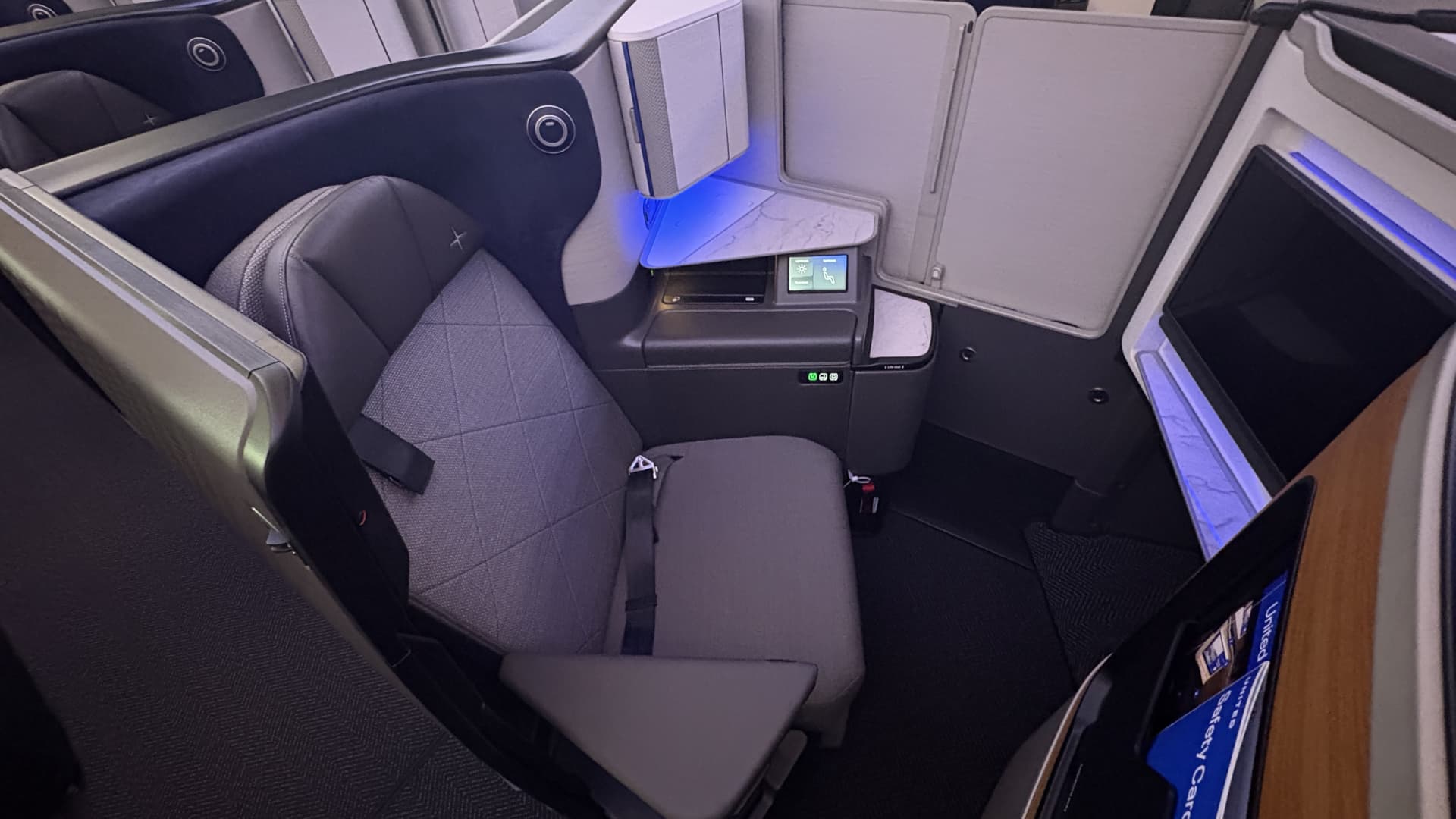
United Airlines has announced the launch of new discounted tiers in business class, reflecting its commitment to meet the needs of travelers seeking a luxurious experience at a lower cost. These new tiers, set to take effect in the spring, aim to attract a new segment of customers who wish to enjoy the benefits of premium travel without paying traditional high prices.
The new tiers include the "Base" class in Polaris, which offers seats that convert into flat beds, but with additional restrictions such as fees for advance seat selection. Additionally, luggage will be limited to just one bag instead of two, adding an element of constraint to this tier.
Event Details
Through this initiative, United aims to restructure its travel classes, which will also include "Standard" and "Flexible" tiers, providing diverse options for travelers. The "Flexible" tier will allow passengers to pay for access to the new Polaris suites, which feature more modern designs.
This move comes at a time when airlines are looking to increase the number of premium seats on their aircraft, as studies have shown that travelers are willing to pay more for a better travel experience. United is not alone in this endeavor, as Delta Airlines has also announced plans to divide aircraft cabins into multiple classes.
Background & Context
Historically, the airline industry has undergone a significant transformation in recent years, shifting from a fixed pricing model to a more flexible one that includes multiple tiers. This trend reflects companies' desire to meet the diverse needs of travelers, especially with increasing competition in the market.
United Airlines is considered one of the leaders in this field, having launched the Polaris class about ten years ago, achieving great success in attracting travelers seeking a comfortable and luxurious travel experience. However, market changes require it to innovate and adapt to evolving customer needs.
Impact & Consequences
This step by United Airlines is seen as a reaction to changes in traveler behaviors, as many are now looking for more economical options without sacrificing comfort. These new tiers are expected to influence ticket prices in the market, potentially leading to increased competition among airlines.
Moreover, this strategy may open the door for other airlines to adopt similar models, which could lead to a radical change in the way airline services are priced. This trend could enhance the travel experience for passengers, as they will have more options that suit their needs.
Regional Significance
For the Arab region, these changes in the airline industry may directly impact Arab travelers seeking to fly to international destinations. With the increasing number of flights between Arab countries and the United States, travelers are expected to benefit from more diverse options and competitive prices.
Additionally, the rise of new tiers in airlines may boost tourism and travel between Arab countries and the United States, contributing to strengthening economic and cultural ties between the two sides.