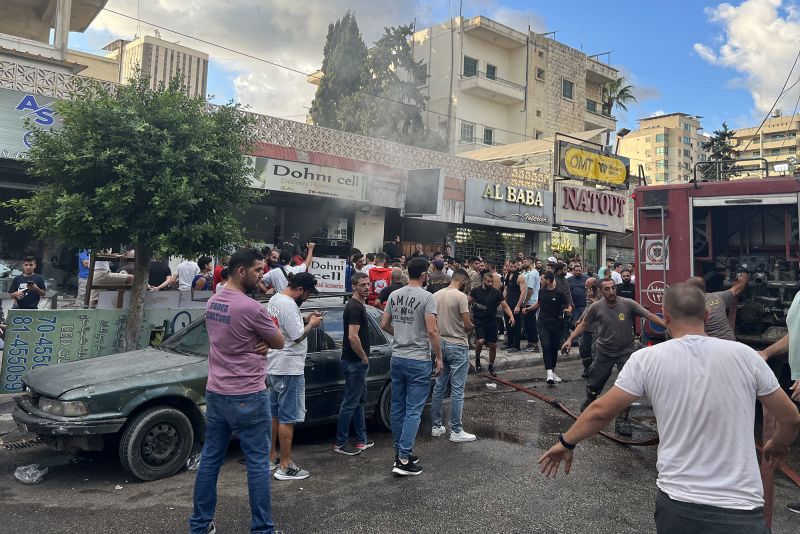
The United Nations has called for an urgent end to the repeated attacks on healthcare facilities in Lebanon, warning of dire consequences for citizens' lives. The international organization emphasized that these assaults threaten the country's healthcare system and exacerbate patient suffering.
This call comes at a time when Lebanon is grappling with a severe economic crisis, significantly deteriorating the healthcare situation in recent years. A UN report indicated that over 60% of Lebanese citizens cannot access basic healthcare, further worsening the situation.
Details of the Incident
In an official statement, the United Nations confirmed that attacks on healthcare facilities in Lebanon violate international laws that protect civilians and healthcare facilities during conflicts. The organization has documented numerous incidents where hospitals and clinics have been attacked, resulting in injuries to healthcare workers and depriving patients of necessary treatment.
Reports also indicate that these attacks occur amid escalating political and security tensions in the country, compounding the suffering of citizens and increasing pressure on the already struggling healthcare system.
Background & Context
Lebanon has been suffering from a severe economic crisis for several years, leading to the collapse of the financial system and the deterioration of public services, including healthcare. This crisis has been exacerbated by ongoing political turmoil, resulting in widespread poverty and unemployment.
In recent years, Lebanon has seen a significant increase in the number of Syrian refugees, further straining an already faltering healthcare system. This has resulted in a decline in the quality of healthcare services provided, as hospitals struggle to meet the growing needs of the population.
Impact & Consequences
Reports indicate that the continued attacks on healthcare facilities could worsen the health situation in Lebanon, threatening the lives of thousands of citizens. These assaults may also erode trust in the healthcare system and increase the suffering of patients who require urgent care.
Moreover, the persistence of these attacks could contribute to the spread of diseases and epidemics, posing an additional threat to public health in the country. Experts fear that this could lead to increased pressure on hospitals, which are already facing shortages of resources and medical personnel.
Regional Significance
The health situation in Lebanon serves as a model for the crises faced by many Arab countries, where healthcare systems are under significant pressure due to armed conflicts and economic crises. The situation in Lebanon reflects the urgent need for international support to improve healthcare services and protect civilians.
The ongoing assaults on healthcare facilities in Lebanon could have negative repercussions on regional stability, potentially leading to increased migration and displacement, exacerbating humanitarian crises in the region.
In conclusion, the United Nations' call to halt attacks on healthcare in Lebanon highlights the importance of protecting civilians and healthcare facilities during times of conflict. The international community must act urgently to support Lebanon's healthcare system and provide necessary protection for patients and healthcare workers.