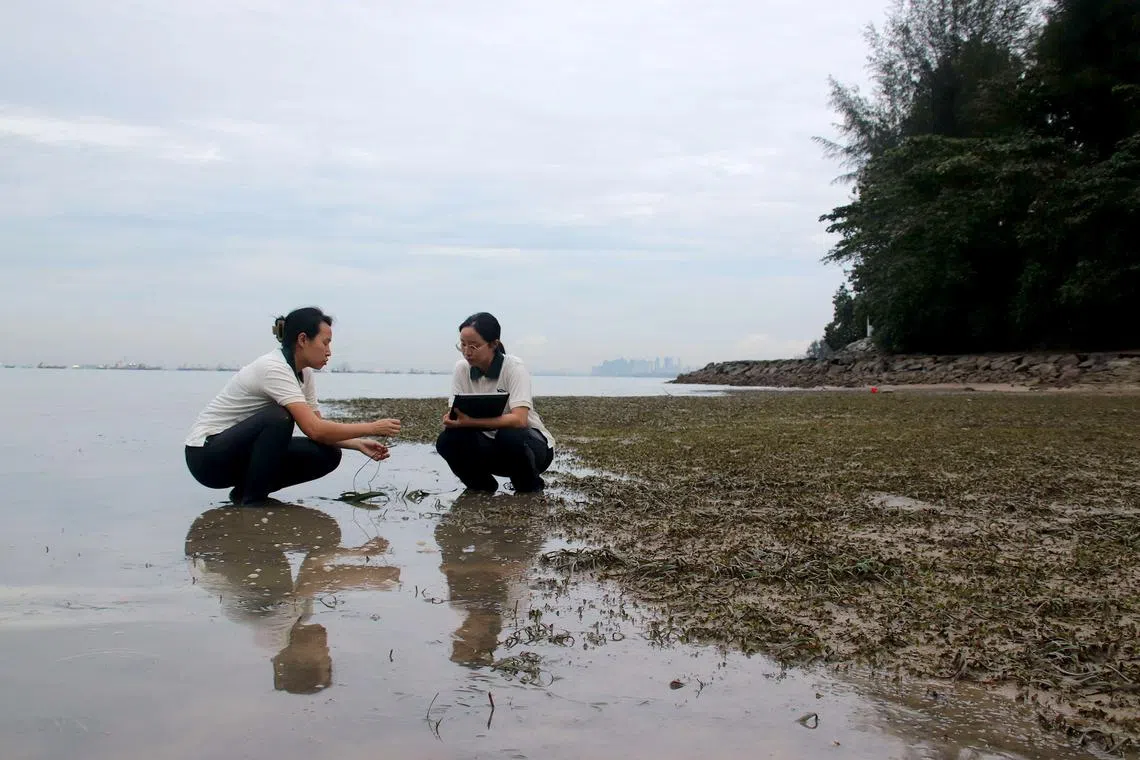
The blue carbon wealth in ASEAN countries is considered one of the most important environmental resources that has not been adequately valued. Despite its richness in protected areas, this wealth remains insufficiently recognized, leading to neglect and suboptimal utilization.
This wealth is found in coastal regions, where marine plants such as seagrasses and algae play a vital role in carbon storage. However, the lack of awareness regarding the importance of these areas threatens their ability to combat climate change.
Event Details
Studies indicate that blue carbon can significantly contribute to reducing carbon emissions, making it a vital resource in efforts to combat climate change. Nevertheless, many countries in ASEAN do not adequately benefit from this wealth, lacking effective policies for its protection.
Data shows that protected areas in Southeast Asia contain vast amounts of stored carbon, yet they face multiple threats such as pollution and urban development. These threats lead to the degradation of marine environments, negatively impacting biodiversity and the local economy.
Background & Context
Historically, coastal areas have been regarded as resource-rich zones, but with increasing human activity, these resources have begun to deplete. In recent decades, pressures on marine environments have intensified due to climate change, making the need to protect blue carbon more urgent.
ASEAN countries are among the most vulnerable to the impacts of climate change, facing flooding and rising sea levels. Therefore, harnessing blue carbon could be part of sustainable solutions to address these challenges.
Impact & Consequences
If countries continue to ignore the importance of blue carbon, it will exacerbate environmental crises. These crises can affect food security and the local economy, as many coastal communities rely on marine resources as their primary source of livelihood.
Moreover, failing to protect these areas can lead to biodiversity loss, impacting ecosystems as a whole. Thus, investing in blue carbon protection should be a top priority.
Regional Significance
Although this news pertains to ASEAN countries, the lessons learned can also be applied in the Arab region. Many Arab countries face similar environmental challenges, suffering from the impacts of climate change on coasts and marine resources.
Arab nations can benefit from ASEAN's experiences in protecting blue carbon, contributing to enhancing local efforts to combat climate change and achieve sustainable development.