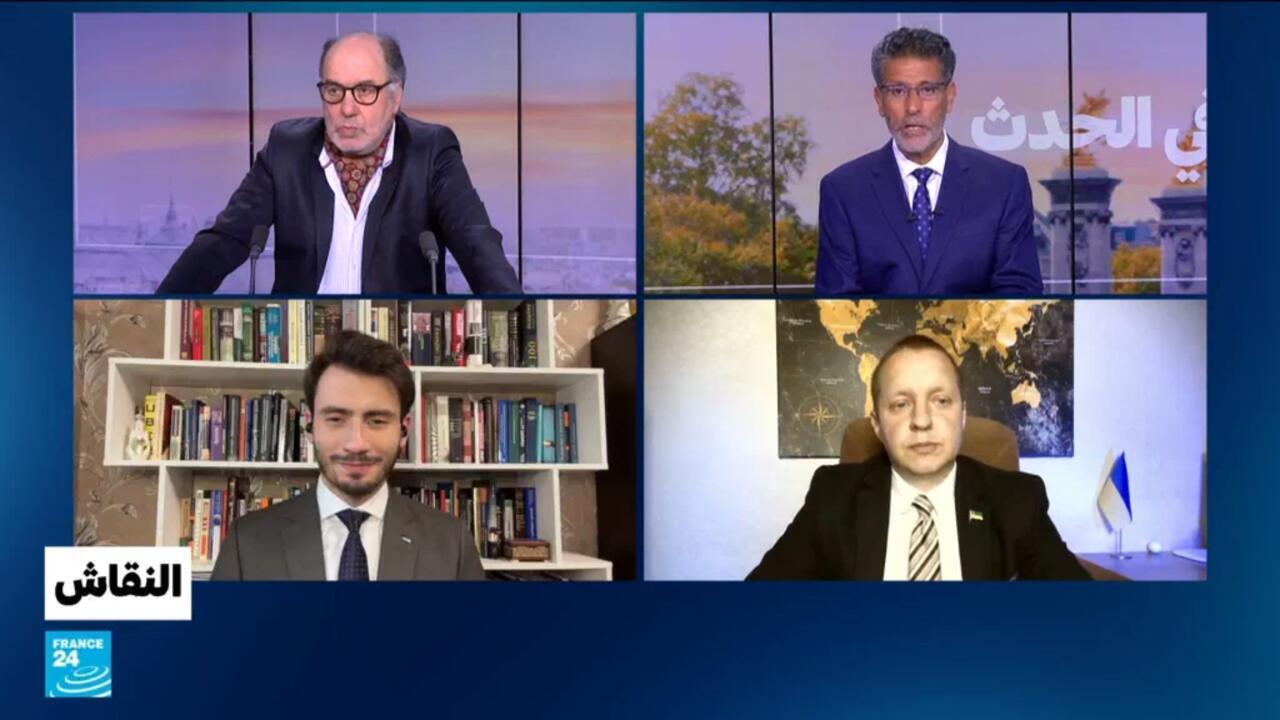
The war between Russia and Ukraine has been ongoing for over four years, with the past weekend witnessing an unprecedented escalation in Ukrainian attacks on Russian territory. Ukrainian drones and missiles targeted the capital, Moscow, and other cities, resulting in at least four fatalities. In response, Moscow conducted intensive airstrikes, reflecting the rising tensions between the two sides.
These developments come at a time when many believed the Russian army had the upper hand on the battlefield, while the Ukrainian army was in retreat. However, recent events indicate changes that could reshape the military and political equation in the region.
Details of the Event
The Ukrainian attacks on Russian territory represent a significant shift in the conflict, as Ukraine employed advanced drones and missiles in its assaults. These attacks provoked strong reactions from the Russian side, which carried out airstrikes on Ukrainian targets. These events occur amid increasing Western support for Ukraine, as European countries and NATO seek to provide Kyiv with the necessary weapons and military resources.
Questions are mounting about how these developments will affect the negotiations between the two sides, facilitated by the United States. Will these attacks lead to a change in negotiation strategies? Or will they strengthen Russia's position in the talks?
Background & Context
Since the onset of the conflict in 2014, Russian-Ukrainian relations have deteriorated significantly. Events in Ukraine have led to economic sanctions imposed on Russia by Western countries. In recent years, there has been an increase in military support for Ukraine, escalating the conflict further. As tensions rise, it becomes clear that the situation in Ukraine has broader implications for European and global security.
Historically, Russia and Ukraine enjoyed close relations, but the dispute over Crimea and armed conflicts in Eastern Ukraine have led to a breakdown of these ties. As the war continues, concerns grow that these conflicts could lead to greater escalation in the region.
Impact & Consequences
Recent developments may lead to a shift in the military and political dynamics in the region. Ukrainian attacks could bolster Kyiv's position in negotiations, while pushing Russia to adopt more aggressive measures. Furthermore, these events may impact international relations, as pressures mount on Western countries to further support Ukraine.
At the same time, these developments could escalate the conflict, increasing risks to European security. The more intense the conflict becomes, the greater the chances of military escalation that could draw other countries into the fray.
Regional Significance
The Arab region is indirectly affected by the Russian-Ukrainian conflict, as tensions in Europe could lead to impacts on energy prices and resources. Additionally, the conflict may affect food security in the region, given that Ukraine is one of the largest grain exporters in the world.
Moreover, rising tensions in Europe may lead to changes in the foreign policies of Arab countries, as some may seek to strengthen their relations with major powers like the United States and Russia.
In conclusion, the situation in Ukraine and Russia remains unstable, requiring close monitoring by the international community. Current developments could reshape political and military equations in the region, necessitating an immediate response from the involved parties.