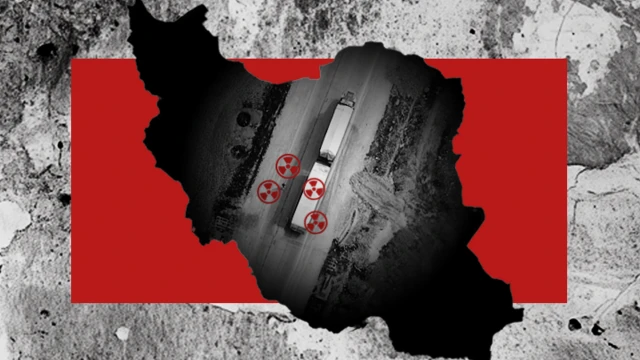
The fate of Iran's enriched uranium stockpile, particularly that enriched to 60%, has become a topic shrouded in mystery. Questions are mounting regarding the storage locations of this uranium amid rising tensions between Iran and Western countries, especially the United States. These developments come at a sensitive time as the international community seeks a deeper understanding of Iran's nuclear program.
Historically, Iran has been under international scrutiny due to its nuclear program. Since 2015, a nuclear agreement was reached between Iran and major powers aimed at limiting Tehran's nuclear activities in exchange for sanctions relief. However, the United States' withdrawal from the agreement in 2018 brought matters back to square one, prompting Iran to accelerate its uranium enrichment.
Details of the Current Situation
Recently, reports have indicated that Iran has increased its stockpile of enriched uranium, raising concerns about its potential military use. Estimates suggest that Iran now possesses significant amounts of enriched uranium, yet the storage locations remain unknown. This ambiguity raises questions about Iran's commitment to international agreements.
Furthermore, the International Atomic Energy Agency (IAEA) has faced challenges in accessing certain sites believed to contain stockpiles of enriched uranium. This situation exacerbates tensions between Iran and Western nations, with the latter accusing Tehran of non-cooperation.
Background & Context
The history of Iran's nuclear program dates back decades, with Iran beginning to develop its nuclear capabilities in the 1970s. Over time, the program has attracted international attention, especially after Western nations accused Iran of seeking a nuclear weapon. In recent years, Iran has ramped up its nuclear activities, leading to the imposition of international sanctions.
In 2020, Iran began exceeding the uranium enrichment limits set in the nuclear agreement, prompting international concern. As tensions escalate, understanding the storage of enriched uranium and its intended use has become crucial.
Impact & Consequences
The implications of this issue extend beyond Iranian borders, potentially affecting regional stability. If Iran continues to enrich uranium unchecked, it could lead to a nuclear arms race in the region. Additionally, the lack of transparency in this matter may heighten tensions between Iran and Western nations, possibly leading to military escalation.
Moreover, the failure to reach a new agreement regarding Iran's nuclear program could impact relations between Iran and neighboring countries, such as Saudi Arabia and Israel, which view Iran's nuclear activities as a threat to their security.
Regional Significance
Neighboring Arab countries, such as Iraq and Syria, find themselves in a sensitive position due to Iran's nuclear activities. Any escalation in this matter could affect regional security and intensify conflicts. Arab nations may also feel compelled to bolster their defensive capabilities in the face of potential threats.
Ultimately, the fate of Iran's enriched uranium stockpile remains a complex enigma that requires greater transparency and international cooperation. Understanding where this uranium is stored and how it is utilized will have significant implications for both regional and international security.