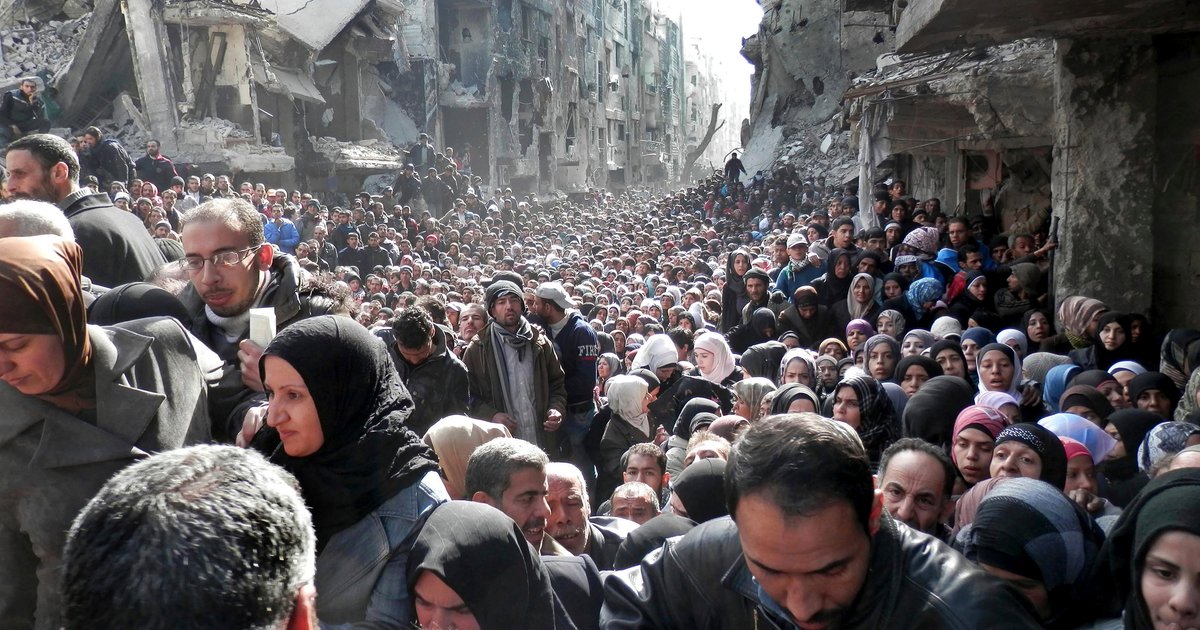
The United Nations Relief and Works Agency for Palestine Refugees in the Near East (UNRWA) has announced a reduction in school days at its schools to four days per week as part of austerity measures to address the ongoing financial crisis. This decision encompasses all of the agency's schools in the five regions, which include the West Bank, Gaza Strip, Lebanon, Syria, and Jordan.
This move comes at a time when UNRWA is facing a severe funding shortfall, with contributions from donor countries significantly declining. The agency has confirmed that this reduction will greatly impact the quality of education provided to Palestinian refugees, who rely on these schools as a primary means of education and training.
Details of the Decision
UNRWA clarified that the decision to reduce school days was made after a thorough assessment of the current financial situation, as it has been unable to secure the necessary funding to operate schools fully. This decision is expected to take effect at the beginning of the new academic year, leading to a reduction in available teaching hours for students.
This step is part of a series of austerity measures that UNRWA has implemented in recent years, which have included staff reductions and budget cuts for educational and health programs. A spokesperson for the agency noted that these measures aim to maintain the continuity of essential services for refugees amid challenging financial conditions.
Background & Context
UNRWA was established in 1949 to meet the needs of Palestinian refugees who lost their homes during the Arab-Israeli conflict. Since then, the agency has been responsible for providing education, healthcare, and social services to refugees. Over time, UNRWA has faced increasing financial challenges due to political and economic crises in the region.
In recent years, UNRWA has experienced a decline in financial support from some donor countries, adversely affecting its ability to deliver services. This has led to increased pressure on the agency, prompting it to make difficult decisions such as reducing school days.
Impact & Consequences
The reduction in school days will have negative effects on refugee students, as it will decrease opportunities for learning and social interaction. Education is a fundamental element that helps build a better future for refugees, and any reduction in these opportunities may exacerbate social and economic conditions.
Moreover, this decision may impact refugee families who depend on schools as a means of caring for their children and providing a safe educational environment. Given the difficult circumstances faced by refugees, reducing education may lead to increased dropout rates, reflecting greater challenges in the future.
Regional Significance
The financial crisis facing UNRWA is part of a broader crisis affecting Palestinian refugees in the region. The reduction of educational services may heighten social and economic tensions in communities already under pressure. These conditions could also affect stability in the region, as education is a key factor in achieving peace and sustainable development.
As Arab countries strive to enhance education and improve living conditions, the reduction of educational services for Palestinian refugees represents a significant challenge that requires urgent response from the international community.