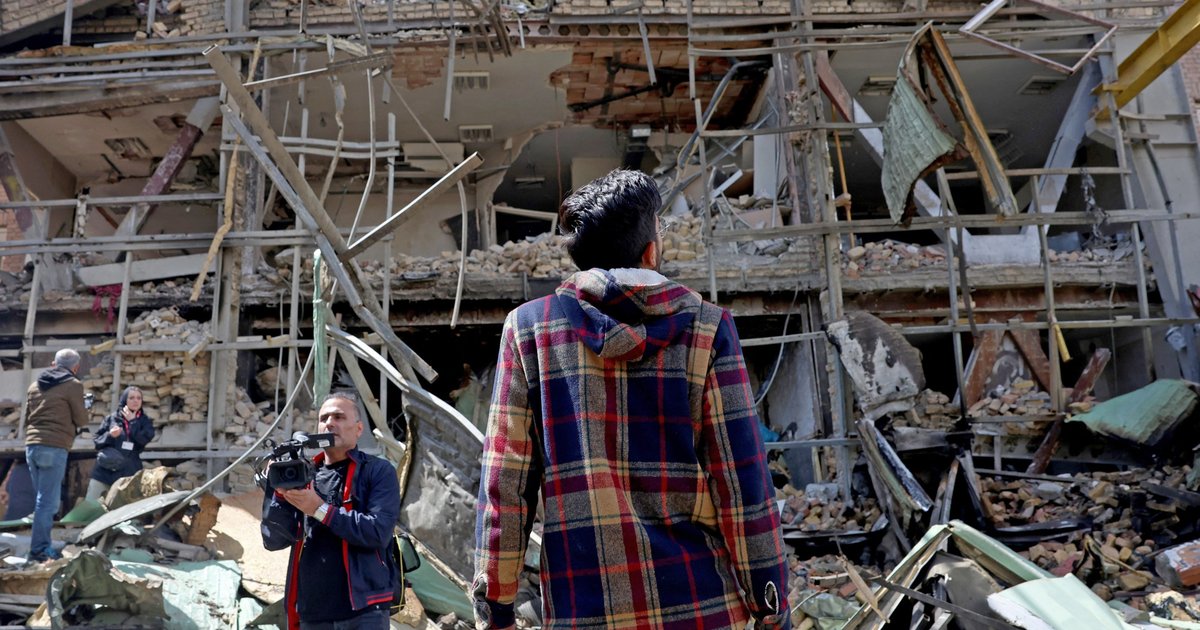
In a phone call with NATO Secretary General Jens Stoltenberg, Turkish President Recep Tayyip Erdoğan confirmed that the ongoing war in the Middle East has resulted in a state of geopolitical blockage. Erdoğan pointed out that the international community needs to intensify its efforts to end this war, which has exacerbated conditions in the region.
He explained that operations that began with interventions against Iran have contributed to creating this state of blockage, necessitating urgent action from major powers and the international community as a whole.
Details of the Event
Erdoğan's statements come at a sensitive time, as tensions in the Middle East escalate due to ongoing conflicts, particularly the dispute between Israel and Palestinian factions. These conflicts have impacted regional stability, making it essential for international efforts to converge in finding effective solutions.
Erdoğan also noted that the current situation requires major powers to reconsider their strategies towards the region and work on finding peaceful solutions that guarantee the rights of all parties involved.
Background & Context
Historically, the Middle East has witnessed numerous military and political interventions by major powers, leading to exacerbated crises. Since the beginning of the new millennium, there have been multiple interventions in Iraq, Syria, and Libya, contributing to destabilization in the region.
Iran is considered one of the countries at the center of tensions, as its relations with Western countries have seen increasing strains, especially following the United States' withdrawal from the nuclear agreement. These dynamics have led to an escalation of conflicts in the region, making it imperative to seek radical solutions.
Impact & Consequences
The state of geopolitical blockage referred to by Erdoğan could exacerbate humanitarian crises in the region. As conflicts continue, civilians suffer from its repercussions, including displacement, poverty, and food insecurity.
Moreover, the continuation of these conditions could significantly impact the global economy, as the region is a major source of energy, and any escalation in conflicts could lead to rising oil and gas prices, affecting global markets.
Regional Significance
Arab countries are directly affected by the conflicts in the Middle East, as many of these nations suffer from the repercussions of the conflicts, whether through the influx of refugees or economic impacts. Finding peaceful solutions to these disputes is vital to ensuring the stability of the region.
In conclusion, the current situation in the Middle East requires a convergence of international efforts, as peaceful solutions are the only way to end conflicts and achieve stability in the region.