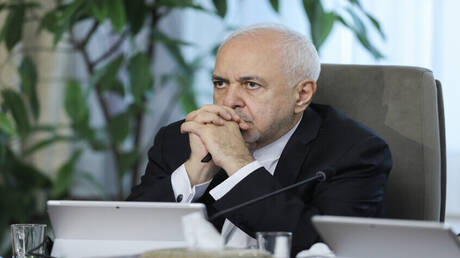
Former Iranian Foreign Minister Mohammad Javad Zarif has urged the United States and Israel to respect Iran's demands to avoid potential losses. These statements arise amid rising tensions in the region, highlighting the importance of dialogue and understanding among the involved parties.
Zarif is recognized as one of Iran's prominent diplomats, having served as Foreign Minister from 2013 to 2021 and participated in the nuclear negotiations that led to the Iranian nuclear agreement. In his recent remarks, he emphasized the necessity for the United States and Israel to consider Iran's demands, indicating that ignoring these requests could result in severe consequences on both regional and international levels.
Details of the Event
Zarif's call comes at a time when the Middle East is experiencing heightened tensions, particularly following a series of events that have intensified the conflict between Iran on one side and the United States and Israel on the other. Recent months have seen an escalation in military operations and hostile statements, raising fears of a widespread conflict.
Additionally, Zarif's comments occur amid international discussions regarding Iran's nuclear program, as Tehran seeks to bolster its position in negotiations. He pointed out that respecting Iran's demands could contribute to achieving stability in the region and spare the involved parties further losses.
Background & Context
Historically, relations between Iran and the United States have been strained since the Islamic Revolution in 1979. These relations have witnessed numerous fluctuations, including the imposition of economic sanctions on Iran due to its nuclear program. In recent years, Iran has attempted to enhance its influence in the region by supporting its allies in Iraq, Syria, and Lebanon, which has increased concerns for both the United States and Israel.
The negotiations surrounding Iran's nuclear program, initiated during the presidency of former U.S. President Barack Obama, became significantly complicated after the United States withdrew from the nuclear agreement in 2018. Since then, Iran has been striving to reclaim its economic and political rights, further complicating the regional landscape.
Impact & Consequences
Zarif's statements may increase pressure on the United States and Israel to return to the negotiating table. Should the involved parties respond to Iran's demands, the Middle East could witness improvements in security and economic conditions. However, ignoring these demands may lead to escalating tensions, threatening the region's stability.
These remarks could also impact relations between Iran and European countries, which are keen on preserving the nuclear agreement. If tensions persist, these nations may find themselves in a difficult position between supporting Iran or siding with the United States.
Regional Significance
Zarif's statements hold significant importance for Arab countries, as any escalation in tensions between Iran and the United States or Israel could directly affect security and stability in the region. Many Arab nations, particularly those sharing borders with Iran, are closely monitoring recent developments.
Furthermore, enhancing dialogue between Iran and Western countries could help alleviate conflicts in the region, benefiting all involved parties. Ultimately, hope remains pinned on diplomacy as a means to resolve disputes and achieve peace.