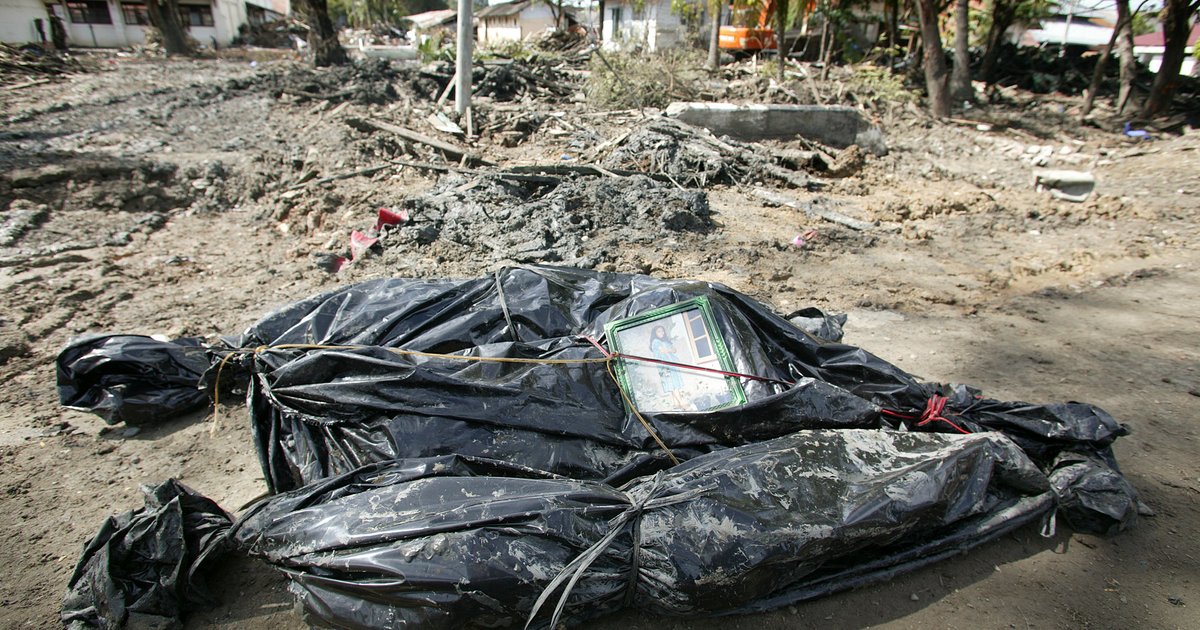
The regent of Pidie Jaya, Cybral Malasi, announced the allocation of initial aid amounting to 184.9 trillion rupiah for victims of hydrometeorological disasters that struck the region. He stressed the importance of this aid being accurate and transparent to ensure it reaches the deserving individuals as quickly as possible.
In statements during a press conference, Malasi clarified that the local government considers the distribution of aid a top priority, emphasizing the need to adhere to principles of transparency and fairness in the distribution process. He also noted that the aid data provided by the Social Affairs Department represents a swift and effective step towards accelerating the recovery process for the affected.
Details of the Announcement
The regent expressed concern over the possibility of errors in the distribution process, asserting the necessity for the data to be accurate and thoroughly verified. He stated, "The data must be completely correct; no deserving citizen should be excluded from receiving aid, nor should assistance reach those who do not qualify." He emphasized the importance of accountability in all operations.
He also stressed that disaster-related assistance, such as housing aid, livelihood guarantees, and death compensation, should be provided to citizens without any administrative barriers. He explained that the data collection process must be conducted accurately through field visits to ensure that the results reflect reality.
Background & Context
This aid comes at a critical time, as the Pidie Jaya region has faced hydrometeorological disasters that have affected many families. Historically, the area has experienced several natural disasters, prompting the local government to improve its disaster response by enhancing support and assistance mechanisms.
The Indonesian government aims to strengthen its capacity to deal with natural disasters, as these events pose a significant challenge to local authorities. Previous experiences have demonstrated the importance of good planning and effective aid distribution to mitigate the impacts of disasters on affected communities.
Impact & Consequences
This aid is considered a significant step towards the social and economic recovery of those affected. Effective distribution of aid can contribute to rebuilding trust between the government and citizens, thereby enhancing the region's stability. Additionally, transparency in aid distribution can help improve the local government's image and bolster public support.
Moreover, improving disaster response mechanisms can have a positive impact on sustainable development in the region, as it can help reduce future risks and enhance communities' ability to adapt to climate changes.
Regional Significance
Although this event is taking place in Indonesia, there are lessons that Arab countries can learn from it. Natural disasters represent a global challenge, and it is essential for Arab nations to adopt effective strategies to deal with these disasters. Transparency in aid distribution can help build trust between governments and citizens in Arab countries, thereby enhancing regional stability.
In conclusion, the announcement of aid in Pidie Jaya represents an important step towards recovery, and this experience should serve as a model for other areas facing natural disasters.