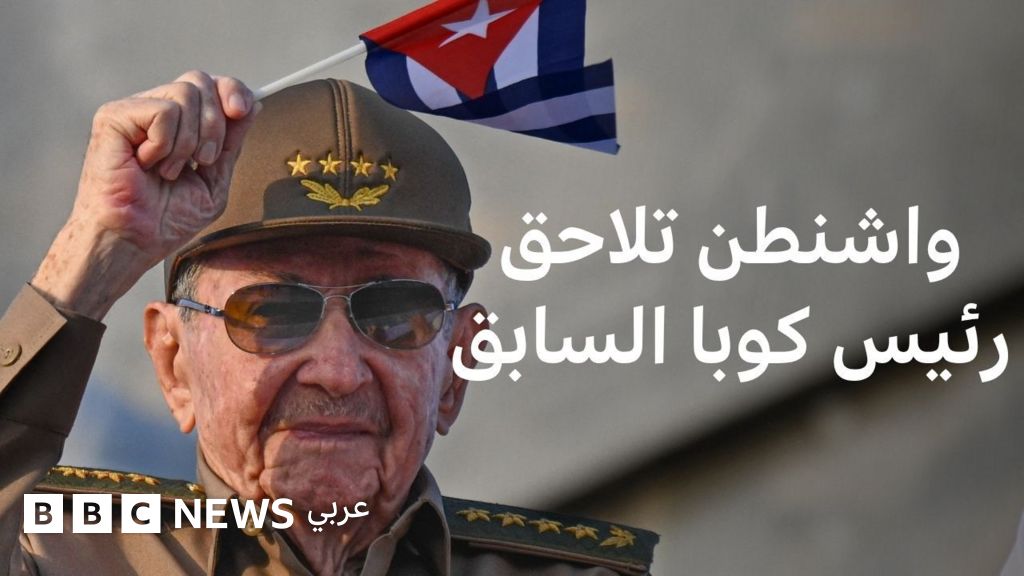
The United States has brought new charges against former Cuban President Raul Castro, including conspiracy to kill American citizens along with other crimes. These accusations come at a sensitive time as tensions between Cuba and the United States are rising, raising questions about the future of relations between the two countries.
Raul Castro, who assumed the presidency of Cuba after his brother Fidel Castro, is a pivotal figure in modern Cuban history. He took over the leadership in 2008 following Fidel's resignation and remained in power until 2018, when he handed over authority to the current president, Miguel Díaz-Canel. During his tenure, Cuba experienced significant economic and social changes, but also faced major challenges, including ongoing American sanctions.
Details of the Accusations
The accusations made by the United States against Raul Castro pertain to conspiracy to kill American citizens, marking a serious escalation in the relationship between the two nations. These charges are not new, as Washington has long accused Castro and his regime of committing acts of violence against its citizens. However, this move reflects a heightened American policy towards Cuba, especially under the current administration.
These accusations come at a time when Cuba is experiencing a severe economic crisis, with the Cuban people facing acute shortages of food and medicine, increasing pressure on the government. Such conditions may also impact Castro and his regime's standing domestically, where they are facing growing criticism from the Cuban populace.
Background & Context
The history of relations between Cuba and the United States is fraught with tensions and conflicts. Since the Cuban Revolution in 1959, led by Fidel Castro, the United States has imposed stringent economic sanctions on Cuba, exacerbating the country's economic conditions. Over the years, Washington has repeatedly attempted to change the regime in Cuba, but these efforts have not borne fruit.
In recent years, Cuba has seen some economic opening, but this has not been sufficient to alleviate American pressures. As tensions escalate, it appears that Castro and his regime will face even greater challenges in the future.
Impact & Consequences
The American accusations against Castro could lead to heightened tensions between Cuba and the United States, potentially affecting diplomatic relations between the two countries. If these accusations persist, the United States may move towards imposing new sanctions on Cuba, further increasing the suffering of the Cuban people.
Additionally, these conditions may impact internal stability in Cuba, where external pressures could exacerbate economic and social crises. It is possible that Cuba could witness new protests against the government, increasing the pressure on Castro and his regime.
Regional Significance
Although events in Cuba may seem distant from the Arab region, there are lessons to be learned from these tensions. The relationships between nations, especially those suffering from historical conflicts, can significantly impact regional stability. The economic and social crises facing Cuba remind us of the importance of internal stability in Arab countries.
In conclusion, the case of Raul Castro and the accusations against him remain a focal point of international interest, as political and economic circles around the world closely monitor how events will unfold in Cuba and whether they will have broader implications for international relations.