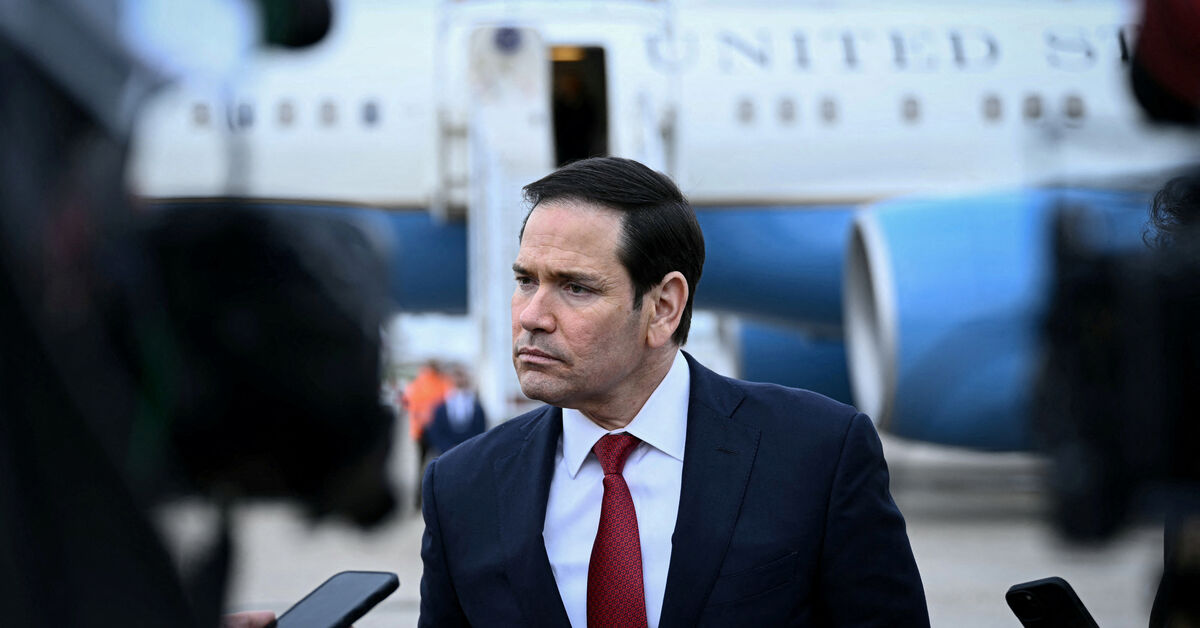
In a striking statement, U.S. Secretary of State Marco Rubio affirmed that the United States is capable of achieving its goals in Iran without the need to deploy any ground troops. Rubio explained that the military operations involving the United States are expected to conclude within weeks, despite the deployment of additional forces to the region. This remark came during a press conference held in Paris before his return to the United States, where he discussed recent developments in the conflict initiated by the United States and Israel last month.
Rubio noted that the U.S. strategy focuses on utilizing air power and modern technologies to achieve military and political objectives in Iran, reflecting a shift in how crises in the region are managed. This statement comes at a sensitive time, as tensions between Iran and the United States are escalating, raising questions about regional stability.
Details of the Announcement
Rubio's statements come amid rising tensions in the Middle East, where the United States continues to bolster its military presence in the Arabian Gulf. Additional forces have been deployed to the region as part of the response to increasing Iranian threats, particularly following attacks targeting American interests and those of its allies in the area. Speaking after a meeting with G7 foreign ministers, Rubio confirmed that the United States will continue to exert pressure on Iran to achieve its objectives without the need for direct military intervention on the ground.
It is worth noting that this strategy relies on the use of drones and airstrikes, allowing the United States to conduct its military operations more effectively and at a lower cost than deploying ground troops. This shift in strategy also reflects lessons learned from previous wars in Iraq and Afghanistan, where the human and material costs were exceedingly high.
Background & Context
Historically, relations between the United States and Iran have been tense since the Islamic Revolution in 1979. Since then, the United States has taken several steps to isolate Iran, including imposing stringent economic sanctions. In recent years, tensions have notably escalated, especially after the United States withdrew from the Iranian nuclear deal in 2018. This withdrawal led to a spike in military and economic tensions between the two countries.
In this context, Iran has enhanced its military capabilities, including the development of its nuclear program, which has raised concerns within the international community. The United States and its allies, including Israel, have attempted to counter these threats through various strategies, including sanctions and limited military operations.
Impact & Consequences
Rubio's recent statements indicate a shift in the U.S. strategy towards Iran, as Washington appears to be seeking to reduce reliance on ground forces in future conflicts. This shift may influence how the United States addresses crises in the region and could encourage the use of new technologies such as drones and smart weapons.
On the other hand, this approach could escalate tensions with Iran, as Tehran may perceive this strategy as a direct threat to its national security. Furthermore, continued military pressures could lead to unexpected reactions from Iran, complicating the situation in the region.
Regional Significance
Arab countries are directly affected by the tensions between the United States and Iran, as these relations play a significant role in the region's stability. Gulf countries, in particular, are closely monitoring developments in U.S.-Iranian relations, viewing Iran as a threat to regional security. Therefore, any escalation in the conflict could impact security and stability in these nations.
Moreover, the United States' adoption of new strategies in dealing with Iran may open the door for other countries in the region to adopt similar approaches in their foreign policies. Ultimately, the question remains regarding the effectiveness of these strategies in achieving U.S. objectives without incurring significant human and material costs.