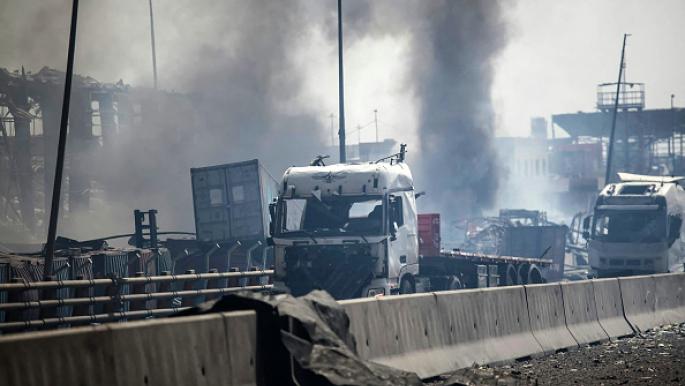
In a new development on the military front, the U.S. military announced today, Thursday, that it has carried out airstrikes targeting a control center in the city of Bandar Abbas in southern Iran, where U.S. forces shot down four drones that were on their way to carry out unspecified missions.
These operations come at a sensitive time as tensions escalate between the United States and Iran, particularly following a series of maritime incidents in the region. U.S. military sources confirmed that these strikes are part of efforts to protect American interests in the area.
Details of the Incident
According to Fox News, the airstrikes targeted a site believed to be a control center for Iranian drones, reflecting a new U.S. strategy to counter the increasing threats posed by Iran. These operations were executed using drones and fighter jets, demonstrating the integration of modern technology in military operations.
Reports indicate that the strikes resulted in the destruction of equipment used for controlling drones, which could impact Iran's ability to conduct similar operations in the future. This move reflects U.S. concerns over Iran's use of drones for military operations in the region.
Background & Context
Historically, U.S.-Iranian relations have seen increasing tensions since the U.S. withdrawal from the nuclear agreement in 2018. Since then, Iran has taken numerous steps to enhance its military capabilities, including the development of its drone program. These events occur within the larger context of a struggle among regional and international powers in the Middle East.
Bandar Abbas is considered a crucial strategic point, serving as a vital hub for maritime transport and trade in the Arabian Gulf. Any military escalation in this area could have widespread repercussions on international shipping and trade.
Impact & Consequences
These airstrikes could lead to heightened tensions in the region, with Iran expected to respond in some manner to these attacks. Iranian officials have warned that any aggression against their sovereignty will be met with a harsh response. Such statements indicate the potential for a broader military conflict in the area.
Moreover, these events could influence global oil prices, as any military escalation in the Gulf may lead to price increases due to market concerns over supply disruptions. Consequently, the situation in Bandar Abbas could have significant economic implications on a global scale.
Regional Significance
Considering the situation in the Arab region, the rising tensions between the United States and Iran could affect regional security. Neighboring Arab countries, such as Saudi Arabia and the UAE, are closely monitoring the situation, as any escalation could threaten their stability and security.
These events may also reopen discussions about the role of major powers in the region and their impact on local policies. It is essential for Arab nations to remain vigilant regarding these developments and take appropriate measures to protect their interests.
In conclusion, the U.S. airstrikes on Bandar Abbas represent a turning point in the ongoing conflict between the United States and Iran, necessitating careful monitoring by the international community. The escalating tensions could lead to unforeseen consequences, making it crucial to seek diplomatic solutions to avoid military escalation.