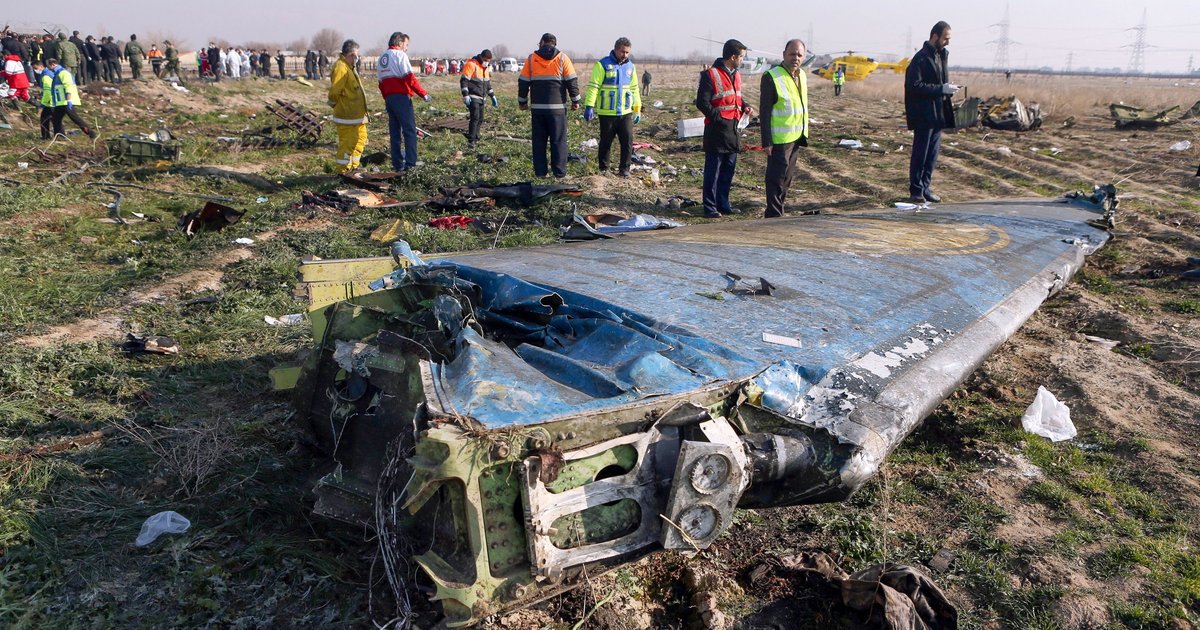
The United States has confirmed the downing of a fighter jet in Iran, raising numerous questions about the military and political dimensions of this event. This confirmation comes at a time when the region is experiencing increasing tensions, casting doubt on the future of U.S.-Iran relations.
The incident, which occurred earlier this week, indicates a potential escalation in the ongoing conflict between the two parties. U.S. sources reported that the jet was targeting specific sites, prompting American forces to intervene and bring it down.
Details of the Incident
According to reports, the Iranian fighter jet was flying in an area near the Iraqi border, where active military operations were taking place. The decision to down the aircraft was made after assessing the potential risks to American forces in the area.
This incident occurs amid rising tensions between Iran and the United States, especially following the latter's withdrawal from the nuclear agreement in 2018. This step has led to increased military tensions, as Iran has significantly enhanced its military capabilities.
Background & Context
Historically, U.S.-Iran relations have seen significant fluctuations, with periods of cooperation and others marked by conflict. Following the Iranian Revolution in 1979, relations soured dramatically, leading to the imposition of economic and military sanctions on Iran.
In recent years, military activities in the region have intensified, as the United States seeks to bolster its military presence in the Middle East to counter Iranian threats. This has led to heightened tensions between the two sides, making incidents like the downing of the jet more likely.
Impact & Consequences
The downing of the jet could have significant repercussions for regional security. This incident may lead to greater military escalation, as Iran might feel compelled to retaliate against this attack, increasing the risk of an open conflict.
Moreover, this incident could affect international relations, as other countries in the region may intervene, complicating the situation further. European nations, which are trying to maintain the nuclear agreement, may find themselves in a difficult position between supporting the United States or attempting to de-escalate tensions with Iran.
Regional Significance
For Arab countries, the rising tensions between Iran and the United States could have direct implications. Gulf states, for instance, may be concerned about potential military escalation, which could lead to increased tensions in the region.
The incident may also impact the stability of Iraq and Syria, where both American and Iranian forces are present. Any escalation in the conflict could exacerbate humanitarian conditions in these countries, increasing civilian suffering.
In conclusion, the situation in the region remains tense and requires close monitoring by the international community. The downing of the fighter jet in Iran serves as another reminder that conditions in the Middle East remain unstable, and any escalation could lead to dire consequences.