U.S. Deputy Spokesperson Tommy Bigot confirmed that the Iranian regime will not acquire nuclear weapons, noting that military operations against Iran will end within weeks, not months. This was stated during an interview with Al Jazeera, where Bigot explained that President Donald Trump's rhetoric reflects the strategic objectives of the "Epic Fury" operation.
Bigot pointed out that the top priority for the United States is to prevent Iran from developing nuclear weapons, asserting that the "maximum pressure" policy will not cease until Tehran fully complies. He also clarified that Trump aims to achieve specific goals, including the destruction of Iran's air and naval capabilities, as well as its missile production infrastructure.
Details of the Event
In statements made by Trump, he confirmed that the United States is preparing to deliver strikes "with great force" against Iran within two to three weeks, emphasizing that the goal is to destroy what remains of Iran's military capabilities. Trump also warned that if an agreement with Iran is not reached, the United States will launch attacks on all Iranian power stations.
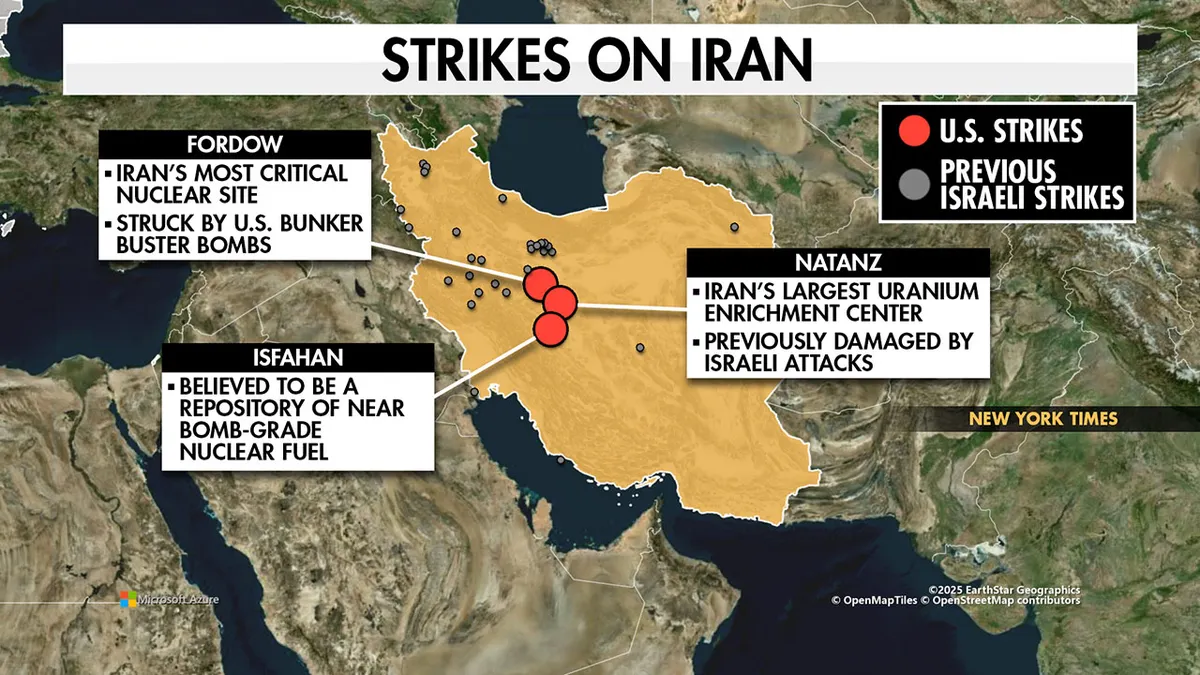
Regarding Iran's preparations for negotiations, Bigot stated that "the diplomatic window was open before and after the 'Midnight Hammer' operation," referring to the U.S. military strike that targeted Iranian nuclear facilities last summer. He explained that Iran's continued pursuit of nuclear weapons poses a threat not only to the United States but to the entire world.
Background & Context
Since February 28, both the United States and Israel have been conducting attacks on Iran, resulting in hundreds of casualties, including prominent figures such as Supreme Leader Ali Khamenei, National Security Council Secretary Ali Larijani, and other ministers. Iran has responded by launching missiles and drones towards Israel, in addition to targeting what it describes as military bases and American interests in the region.
These statements come at a sensitive time, as tensions in the region are escalating, increasing the risk of military escalation. The United States, under Trump's administration, seeks to bolster its military presence in the Middle East in an attempt to ensure regional stability.
Impact & Consequences
The American statements underscore the continuation of the pressure policy on Iran, which could lead to greater military escalation in the region. These remarks are expected to provoke strong reactions from Tehran, which may perceive them as a direct threat to its national security. Furthermore, the ongoing military operations could exacerbate humanitarian conditions in the affected areas.
Additionally, these developments may impact relations between the United States and its allies in the region, as all parties strive to strike a balance between military pressure and diplomacy. It is crucial to keep channels of dialogue open to avoid any undesirable escalation.
Regional Significance
The current developments in U.S.-Iran relations have a significant impact on the Arab region. The tensions between the United States and Iran could destabilize the Gulf Arab states, many of which rely on the U.S. for their security. Any military escalation could also affect oil prices and global markets.
Ultimately, the question remains about the United States' ability to achieve its military objectives without causing greater escalation in the region. Maintaining stability in the region requires a delicate balance between military power and diplomacy.