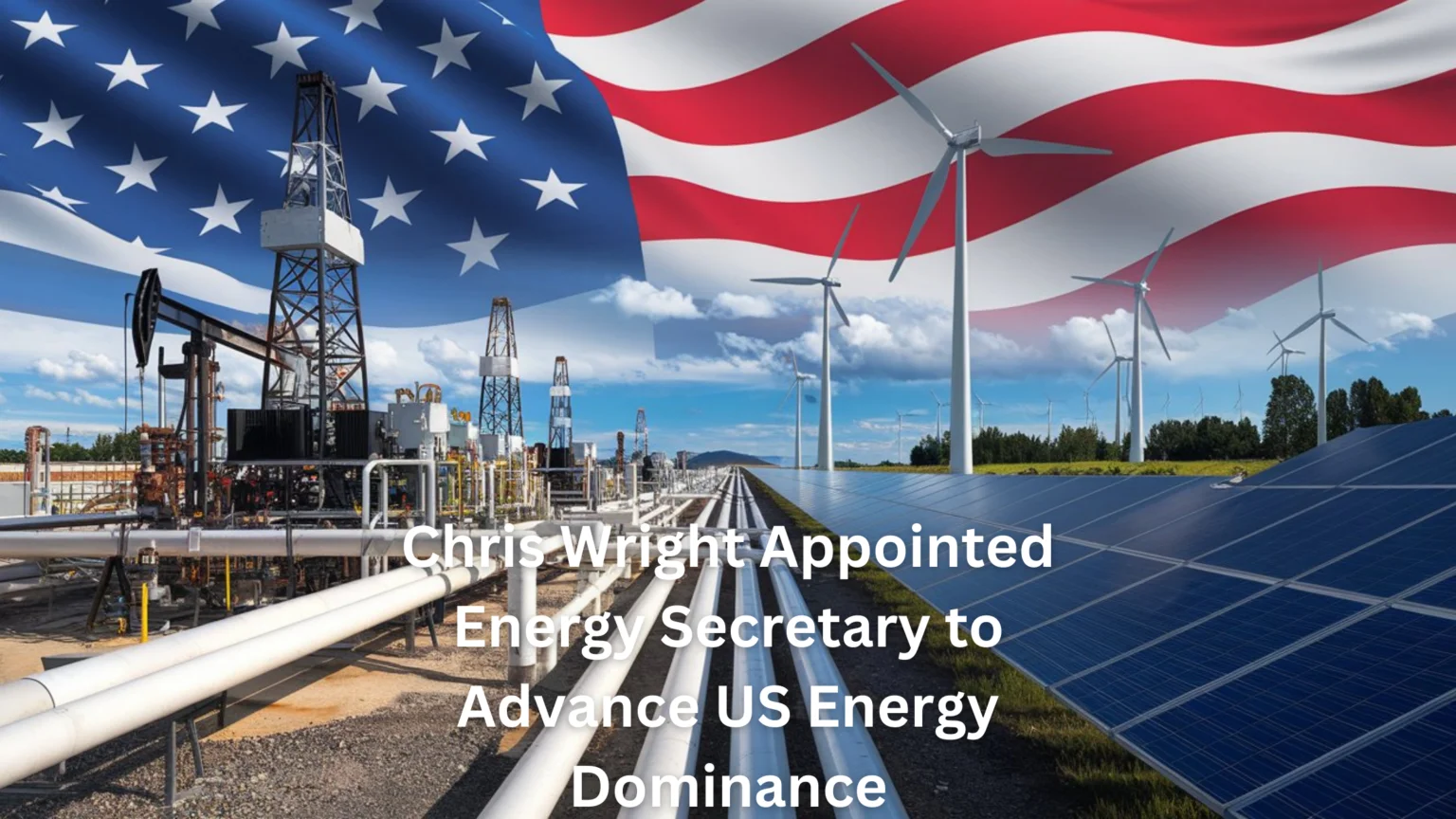
U.S. Energy Secretary Chris Wright confirmed that the United States is "not considering" a ban on energy exports, despite the ongoing rise in global oil prices. These statements come at a time when the oil market is facing considerable fluctuations, underscoring the importance of supply stability.
Wright noted that the U.S. government is closely monitoring the situation and is committed to enhancing domestic production to meet global market needs. He also addressed the issue of Iranian oil storage capacity, indicating that this matter could impact prices in the future.
Details of the Event
In remarks to reporters, Wright explained that the U.S. administration is focused on strengthening cooperation with European countries regarding pipeline agreements, reflecting Washington's strategy to address global energy challenges. He emphasized that the United States will continue to support its allies in Europe to ensure supply stability.
These statements come at a sensitive time, as oil prices are witnessing notable increases, raising concerns among many consuming nations. The U.S. position reflects its commitment to providing energy to global markets, despite the pressures it may face.
Background & Context
Historically, the United States has been one of the largest oil producers in the world, and recent years have seen a significant increase in its production thanks to modern drilling technologies. However, geopolitical tensions, particularly concerning Iran, may affect market stability.
During the Trump administration, discussions were held on how to deal with Iran and its nuclear file, impacting Iranian oil storage capacity. These dynamics cast a shadow over the oil market, as investors seek to understand how these factors influence prices.
Impact & Consequences
The decision not to impose a ban on energy exports is a positive step for global markets, as it may help alleviate price pressures. However, ongoing tensions in the Middle East could lead to unexpected volatility.
Market analysis indicates that price stability heavily depends on the United States' ability to increase its production and meet global demand. Additionally, cooperation with European countries in the energy sector is a crucial element in achieving this goal.
Regional Significance
Arab oil-producing countries are a vital part of the global market, and any changes in U.S. energy policy could directly impact their economies. Amid rising prices, these countries may benefit from increased revenues, but they also face challenges related to political and economic stability.
In conclusion, the situation in the oil market remains complex, with economic and geopolitical factors intertwining. It is essential to closely monitor developments to understand how they will affect the Arab region.