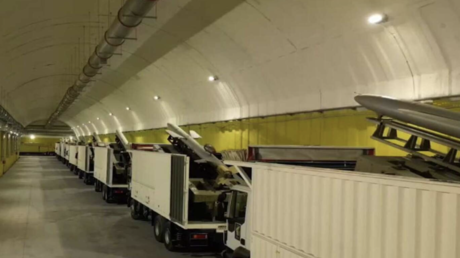
U.S. intelligence sources have revealed that the United States has confirmed the destruction of only about one-third of Iran's missile arsenal, highlighting the challenges Washington faces in its efforts to curtail Iran's military capabilities.
This information comes at a time when tensions between the United States and Iran are escalating, as Washington seeks to bolster its position in the region by targeting Iranian military capabilities. This assessment indicates that the military operations conducted by the United States have not fully achieved their intended goals, raising questions about the strategies being employed.
Details of the Event
According to sources, U.S. estimates suggest that military operations carried out against Iranian missile sites have resulted in the destruction of a significant portion of this arsenal; however, there remains a substantial number of missiles retained by Iran. This situation reflects Iran's ability to rebuild its military capabilities despite international pressure and sanctions imposed on it.
Iranian missiles are considered a core element of Tehran's defense and offensive strategy, as they are used as a means of deterrence and to enhance its influence in the region. Therefore, the destruction of part of this arsenal does not necessarily imply a reduction in Iran's ability to conduct future military operations.
Background & Context
Historically, relations between the United States and Iran have been marked by increasing tensions since the Iranian Revolution in 1979. These tensions have particularly escalated following the U.S. withdrawal from the Iranian nuclear deal in 2018, which led to the imposition of stringent economic sanctions on Tehran.
In recent years, Iran has significantly developed its missile program, raising concerns among many countries in the region, especially in the Gulf Arab states. These missiles are viewed as a direct threat to regional security, prompting the United States to take military action against them.
Impact & Consequences
This information underscores that the challenges the United States faces in its attempts to limit Iranian influence remain significant. Even with the destruction of part of the missile arsenal, Iran is capable of maintaining a certain level of military capabilities.
This situation could lead to heightened tensions in the region, as Gulf Arab states may feel a greater threat, potentially prompting them to enhance their defensive capabilities or even engage in new alliances to address security challenges.
Regional Significance
Arab countries, particularly those located in the Gulf, are among the most affected by developments related to the Iranian missile program. As Iranian military capabilities increase, fears grow regarding the potential use of these missiles in future conflicts.
Moreover, this information could impact the defense policies of Arab states, potentially leading them to reassess their security strategies and military cooperation with the United States and other nations.
In conclusion, tensions between the United States and Iran remain at the forefront of the regional landscape, as the struggle for influence and military capabilities continues to shape the future of the region.