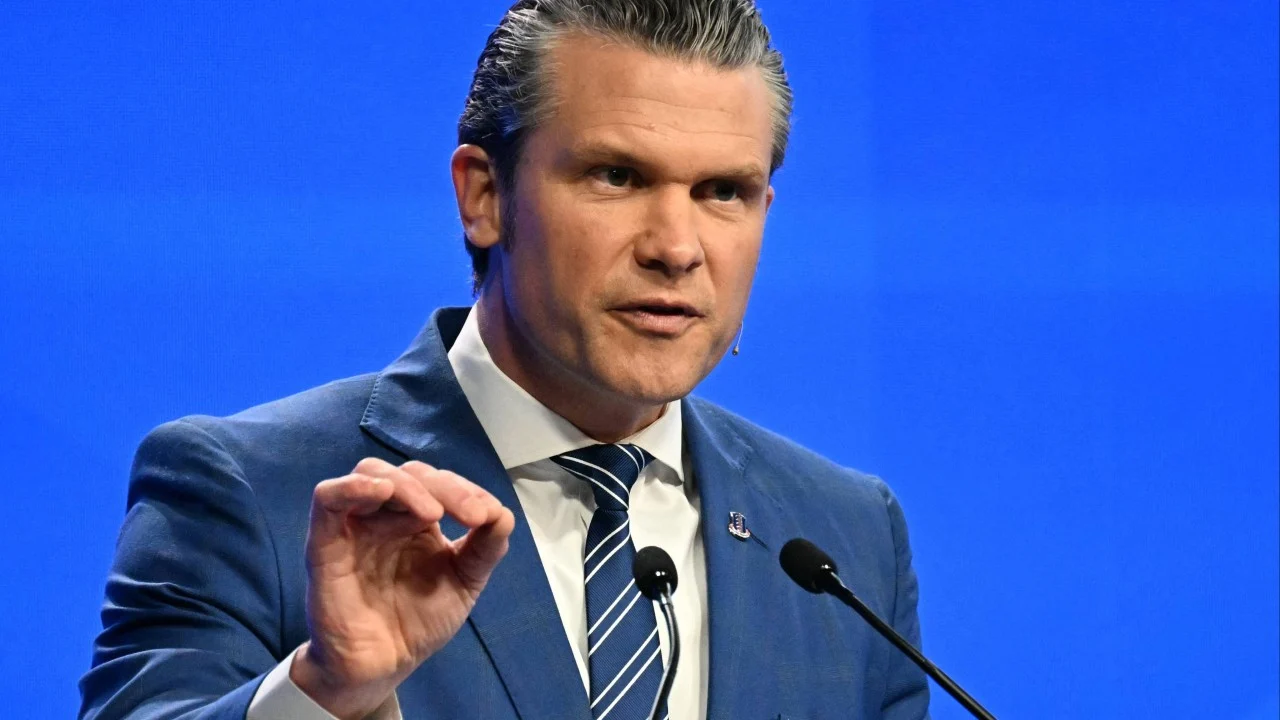
U.S. Defense Secretary Pete Hegseth is preparing to deliver a keynote speech at the Asian Defense Summit taking place in Singapore on Saturday. This summit is occurring against a backdrop of increasing tensions between the United States and China, with American allies hoping to avoid a recurrence of the disputes witnessed at the last summit.
The Shangri-La Dialogue is one of the most prominent defense events in Asia, bringing together defense ministers from several countries, including Australia, Japan, Malaysia, New Zealand, and Qatar. The absence of Chinese Defense Minister Li Shangfu for the second consecutive year raises questions about the future of relations between Beijing and Western nations.
Key Details of the Event
This year's summit agenda includes a range of significant topics, such as regional security and military cooperation. Hegseth is expected to address the security challenges facing the region, as well as the importance of strengthening alliances among U.S. allied nations.
Other defense ministers are also anticipated to discuss their strategies for addressing security threats, particularly in light of the escalating tensions in the South China Sea. This summit represents an opportunity for exchanging views and enhancing cooperation among the participating countries.
Background & Context
Historically, the Shangri-La Dialogue has served as a platform for discussing security issues in the Asia-Pacific region. As tensions between the United States and China have escalated, this summit has become more crucial than ever. Last year, the summit witnessed heated exchanges between U.S. and Chinese officials, impacting the overall atmosphere.
The absence of the Chinese Defense Minister this year reflects the deteriorating relations between Beijing and Washington, as China continues to bolster its military capabilities in the region. This situation places Asian countries in a delicate position, as they must balance their relationships with both the United States and China.
Impact & Consequences
The implications of this summit extend beyond Asia, affecting global security. With rising tensions, the region may see an escalation in military activities, increasing the risk of conflicts. Countries that rely on trade with China may find themselves in a difficult position, especially if tensions continue to rise.
Furthermore, strengthening alliances among Western nations could lead to the formation of new coalitions in the region, potentially altering traditional power dynamics. These new dynamics may impact both regional and global stability.
Regional Significance
For Arab countries, these developments hold particular significance. Economic and political relations with both China and the United States affect many Arab nations, especially those dependent on trade with these two powers. Any escalation in tensions could impact oil prices and global markets, reflecting on the Arab economy.
Ultimately, the Shangri-La Dialogue represents an opportunity for Arab nations to monitor developments in Asia, as these events could influence their political and economic strategies in the future.