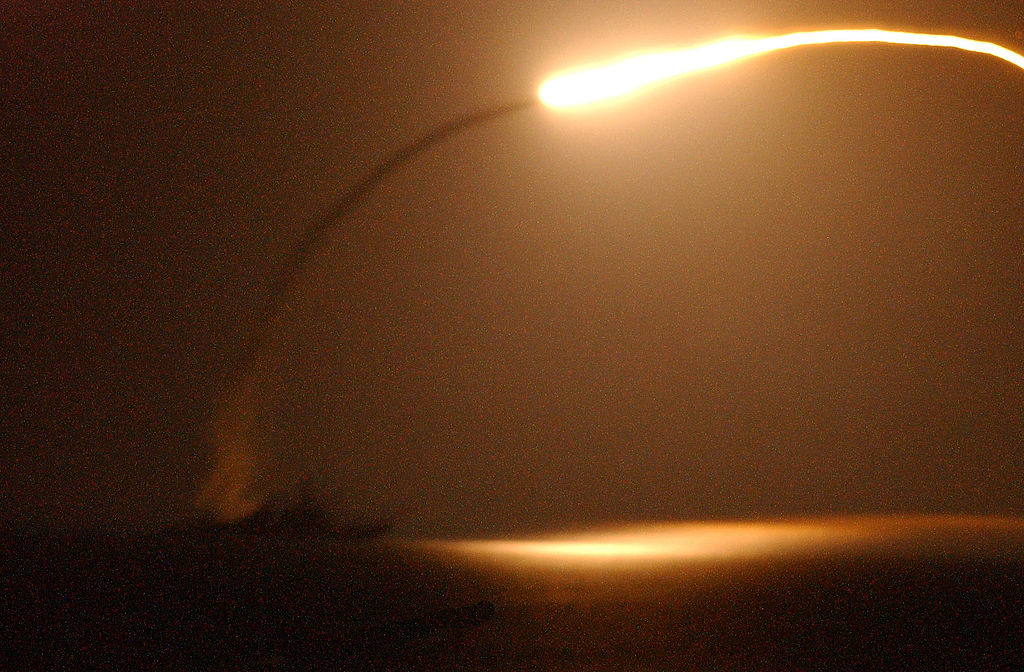
The United States has announced the postponement of a deal to sell Tomahawk missiles to Japan, citing concerns over the potential use of these missiles in the ongoing conflict against Iran. This decision comes at a sensitive time characterized by escalating tensions in the region, raising questions about the political and strategic implications of this delay.
Tomahawk missiles are advanced weapons utilized by American forces in military operations, having proven their effectiveness in several past conflicts. However, the use of these missiles in certain contexts, such as the conflict against Iran, could lead to heightened tensions in the region and exacerbate existing conflicts.
Details of the Event
Previously, Japan had requested to purchase a number of Tomahawk missiles to enhance its defensive capabilities. However, the American administration decided to postpone this deal, emphasizing the need to assess the security situation in the region before taking any further steps. This delay reflects American concerns about the potential use of these weapons in conflicts that could worsen conditions in the Middle East.
This move comes amid rising tensions between Iran and the United States, with both countries exchanging accusations regarding military activities in the region. Tokyo has expressed its desire to bolster its defensive capabilities in response to regional threats, but this postponement may impact its defense strategy.
Background & Context
Historically, relations between the United States and Japan have been based on security cooperation, with Japan being one of America's key allies in the Asia-Pacific region. However, the increasing tensions in the Middle East, particularly with Iran, may affect these relations.
Iran, facing mounting international pressure, sees itself as a target of American policies, complicating the security landscape in the region. In this context, any American move regarding the supply of weapons to its allies could have significant ramifications for regional security.
Impact & Consequences
The postponement of the Tomahawk missile deal could have multiple effects on US-Japan relations. Tokyo may feel concerned about its inability to effectively address regional threats, potentially prompting it to seek alternative options to enhance its defensive capabilities.
Furthermore, this delay may reflect changes in American strategy towards the Middle East, as Washington seeks to avoid any escalation that could lead to direct military conflict with Iran. This situation could also affect other US allies in the region, who rely on American military support to confront threats.
Regional Significance
In the Arab context, these developments could lead to increased tensions in the Middle East, where Iran is a key player in many regional conflicts. Any escalation in the conflict between the United States and Iran could directly impact neighboring Arab countries, heightening instability in the region.
Moreover, the postponement of the deal may raise questions about the ability of Arab countries to enhance their defensive capabilities amid rising tensions, potentially driving them to seek new partnerships to bolster their security.
In conclusion, the postponement of the Tomahawk missile deal with Japan reflects the complexities of the security landscape in the Middle East and underscores the importance of balancing the enhancement of defensive capabilities with the maintenance of regional stability.