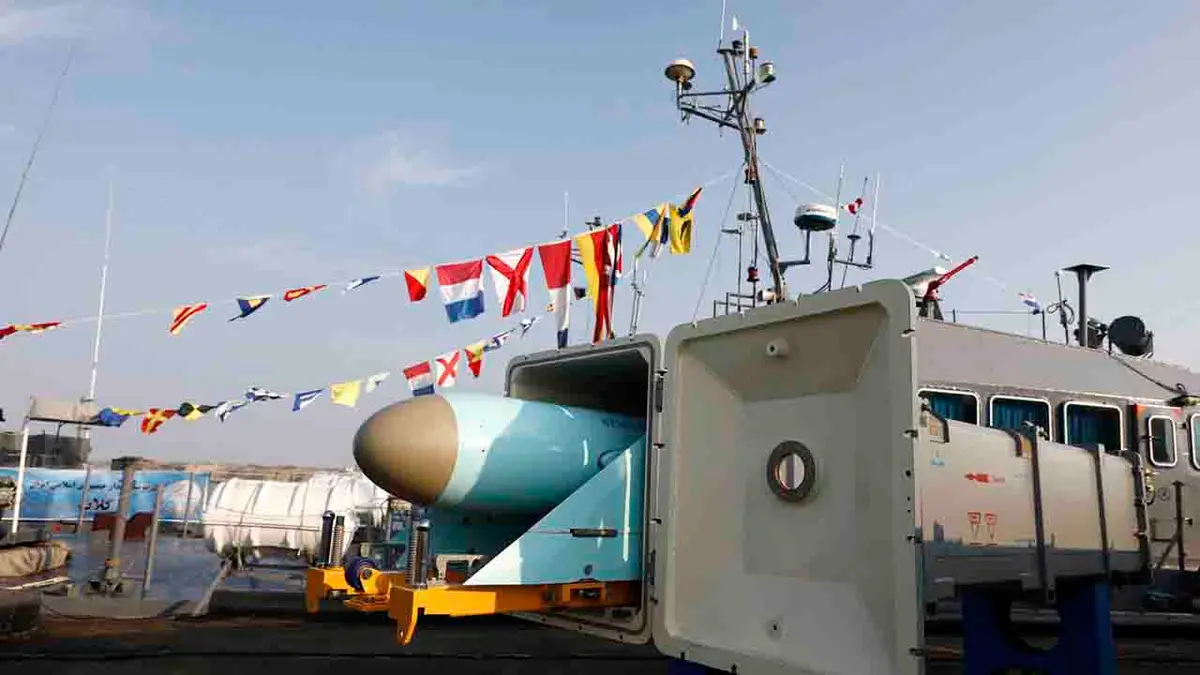
According to Bloomberg, the United States has made a strategic decision to withdraw the majority of its stockpile of JASSM-ER stealth cruise missiles to direct them towards military operations against Iran. This move comes amid escalating military tensions in the region, as Washington seeks to bolster its military presence in response to Iranian threats.
Reports suggest that this maneuver involves withdrawing precision munitions from stockpiles designated for other geographical areas, including the Pacific region, and redirecting them to U.S. Central Command bases and the British base at Fairford. This action has led to a drastic reduction in the available stock of these missiles, with current estimates indicating that only about 425 missiles are ready for service for the rest of the world, compared to a pre-war stockpile of 2,300 missiles.
Details of the Event
The remaining number of cruise missiles is operationally limited, as it is only sufficient to arm 17 B-1B bombers for a single mission, while approximately 75 missiles have been excluded due to damage or technical malfunctions. The U.S. strategy in its current campaign relies on expanding the use of long-range weapons to reduce risks to its soldiers; however, this approach has resulted in the consumption of over 1,000 JASSM-ER missiles during the first four weeks of fighting.
Washington faces a logistical challenge in compensating for this shortfall, as Lockheed Martin currently produces about 396 missiles annually. Even with maximum production capacity raised to 860 missiles, it will take many years to bridge the gap in stockpiles, potentially affecting U.S. readiness against other adversaries such as China.
Background & Context
Earlier, Bloomberg reported, citing informed sources, that the United States had informed Japan of a delay in the delivery of approximately 400 Tomahawk cruise missiles due to the strain the U.S.-Israeli war against Iran is placing on missile stockpiles. This order from Tokyo was scheduled for delivery in March 2028, but Washington has indicated that the timeline will be postponed.
Former President Donald Trump vowed in a speech to return Iran to the "Stone Age" within two to three weeks, without clarifying the implications of this on both civilian and military levels. This statement comes at a time when recent days have seen losses in U.S. air capabilities, despite previous announcements of the destruction of large parts of Iranian defenses.
Impact & Consequences
Tehran has downed an F-15 fighter jet and an A-10 aircraft, in addition to damaging rescue helicopters and destroying over 12 MQ-9 drones. Tehran continues to launch extensive attacks using ballistic missiles and drones, which has led to a parallel depletion of U.S. air defense systems such as Patriot and THAAD. These developments indicate a potential escalation in the conflict, complicating the military landscape in the region.
The United States seeks to enhance its military presence in the Middle East, but logistical and operational challenges may affect its ability to confront rising threats. This situation could place Washington in a precarious position, especially with increasing pressures from its adversaries in the region.
Regional Significance
The Arab region is directly affected by these developments, with growing concerns over escalating conflict between the United States and Iran. These tensions may lead to increased instability in Gulf states, negatively impacting the economy and regional security. Additionally, the continued use of advanced weaponry in conflicts could further complicate humanitarian situations in affected areas.
In conclusion, it appears that the U.S.-Iranian conflict will continue to impact regional stability, necessitating that Arab countries adopt strategic positions to address these escalating challenges.