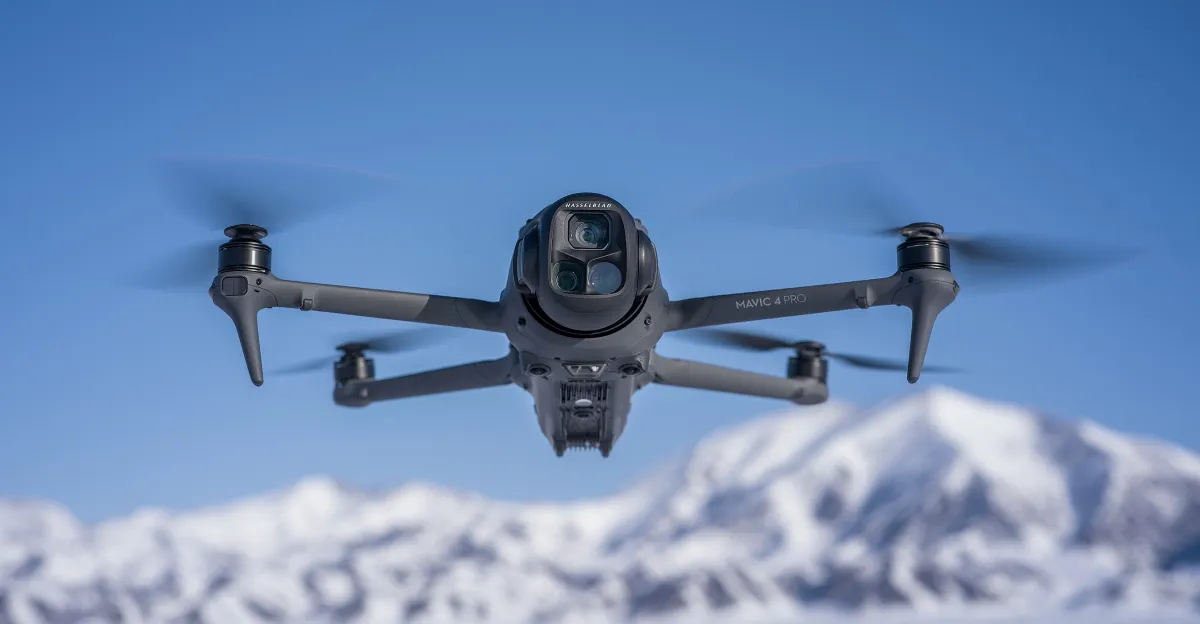
The drone industry in the United States is facing a significant crisis after the Trump administration placed the globally leading drone manufacturer, DJI, on its blacklist. This decision has left the market without effective alternatives, as no American company has taken serious steps to compensate for the absence of DJI, negatively impacting photographers and farmers who rely on its products.
Despite expectations of new opportunities following DJI's exit, most American companies have turned towards defense contracts, with the Pentagon allocating $1 billion for the development of military drones. This shift raises concerns among drone professionals, who feel they are losing a crucial tool for their work.
Details of the Situation
Over the past 15 months, no American company has made serious efforts to fill the void left by DJI. While DJI controlled about 90% of the drone market, American companies are now focusing on developing drones specifically for military use, reflecting a radical shift in industry priorities. Last December, the Federal Communications Commission (FCC) issued a ruling banning all foreign drones, complicating the situation further.
Companies that hoped to enter the U.S. market, such as Zero Zero Robotics, have faced significant regulatory hurdles, leading them to withdraw their plans. While companies like Antigravity have managed to introduce new drones, they remain exceptions amid declining demand for civilian drones.
Background & Context
Historically, DJI has been the leading company in the drone sector, offering innovative and user-friendly products. However, political tensions between the United States and China have led to strict actions against Chinese companies, significantly impacting the market. Since the Trump administration began imposing restrictions on Chinese products, American companies have found themselves in a difficult position.
Impact & Consequences
The shift towards military contracts means that American companies will increasingly rely on developing drones for defense purposes, which may lead to a shortage of drones available for consumers. This situation could adversely affect fields such as photography and agriculture, where these sectors depend on drones. Concerns are rising among professionals in this field, as many point out that military drones do not meet their needs.
Regional Significance
The implications of this crisis extend beyond the immediate market, signaling significant changes in the drone sector and its impact on various consumer fields. As the industry pivots towards military applications, the availability of drones for civilian use may diminish, reshaping the landscape of drone technology and its accessibility.
In conclusion, the ongoing crisis in the drone industry highlights the challenges faced by consumers and professionals alike, as the absence of DJI creates a vacuum that is yet to be filled by domestic alternatives.