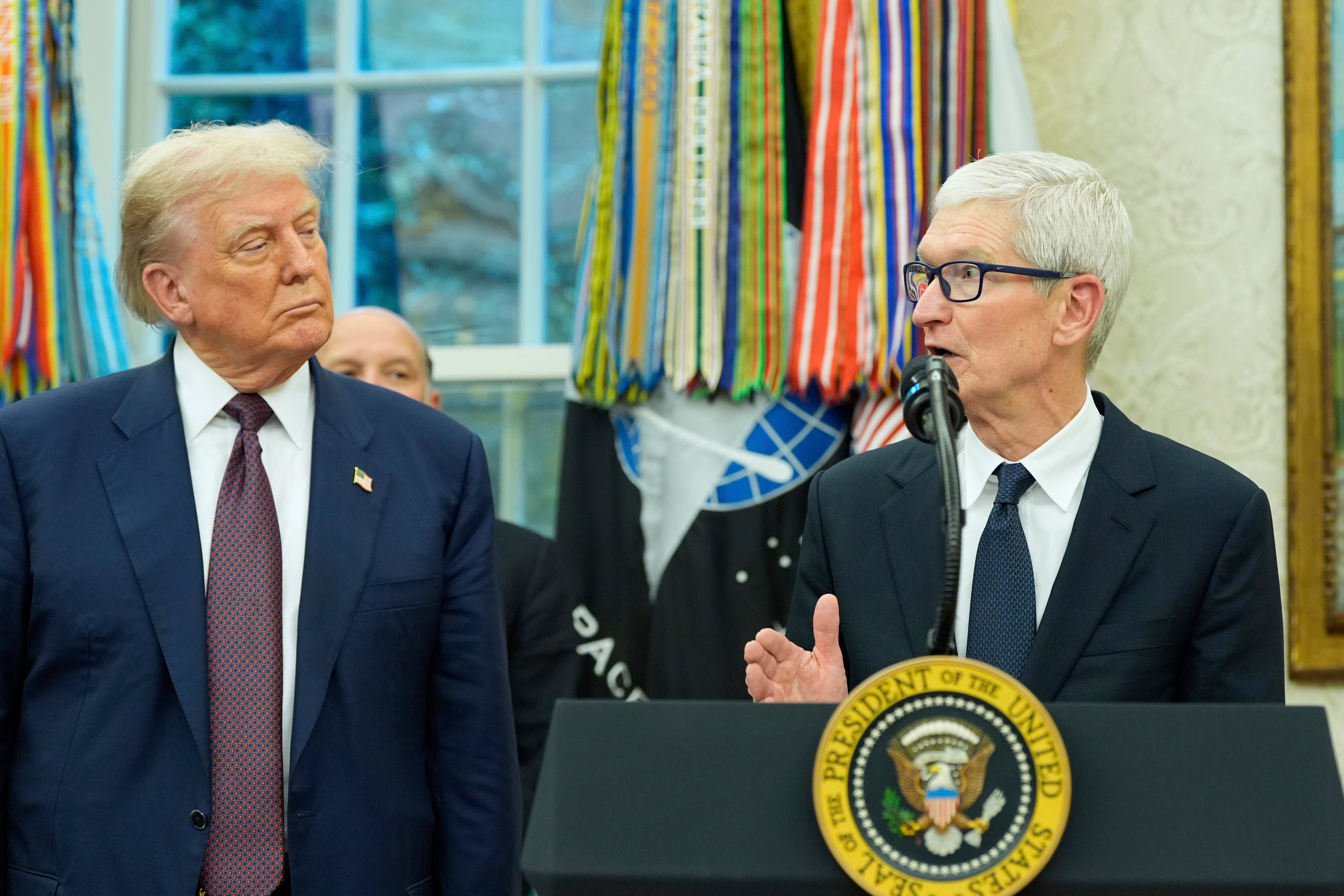
In an effort to enhance trade relations with China, U.S. President Donald Trump traveled to Beijing accompanied by a delegation of 17 top executives from various sectors. This visit occurs at a critical juncture, as American companies face significant challenges due to the ongoing trade war between the United States and China.
Among the prominent names in the delegation is Tim Cook, the CEO of Apple, who is a well-known figure in the tech world. However, the delegation also includes a number of lesser-known executives, reflecting the diversity of industries affected by the trade conflict.
Details of the Visit
This visit is smaller in scale compared to the one in 2017, which included 27 top executives. Analysts have pointed out that this step aims to foster dialogue between American companies and their Chinese counterparts, rather than allowing companies to become mere tools in geopolitical strife.
The industries represented by the delegation span multiple fields, from agriculture to technology, highlighting the significance of the Chinese market for the U.S. economy. These executives are expected to seek tangible results during this visit.
Background & Context
Historically, trade relations between the United States and China have been tense, especially since the Trump administration began imposing tariffs on Chinese goods. These tariffs were intended to reduce the U.S. trade deficit but led to reciprocal reactions from China, complicating relations further.
In recent years, many American companies have experienced a decline in sales in China due to these tensions. Therefore, Trump's current visit represents an opportunity for executives to reassess their strategies in the Chinese market.
Impact & Consequences
If this visit succeeds in achieving positive outcomes, it could lead to improved trade relations between the two countries, benefiting the global economy. However, if it fails, the situation may worsen and lead to increased tensions.
Analysts believe that this visit could serve as a test of the U.S. administration's ability to effectively address trade issues at a time when pressures on American companies are mounting.
Regional Significance
This visit is considered a crucial step in attempting to ease trade tensions between the world's two largest economies, which could impact global markets. The outcome of this visit may influence not only U.S.-China relations but also the economic landscape in various regions, including the Arab world.
In conclusion, the delegation's visit underscores the importance of maintaining open lines of communication and cooperation between the U.S. and China, especially in light of the challenges posed by the ongoing trade war.