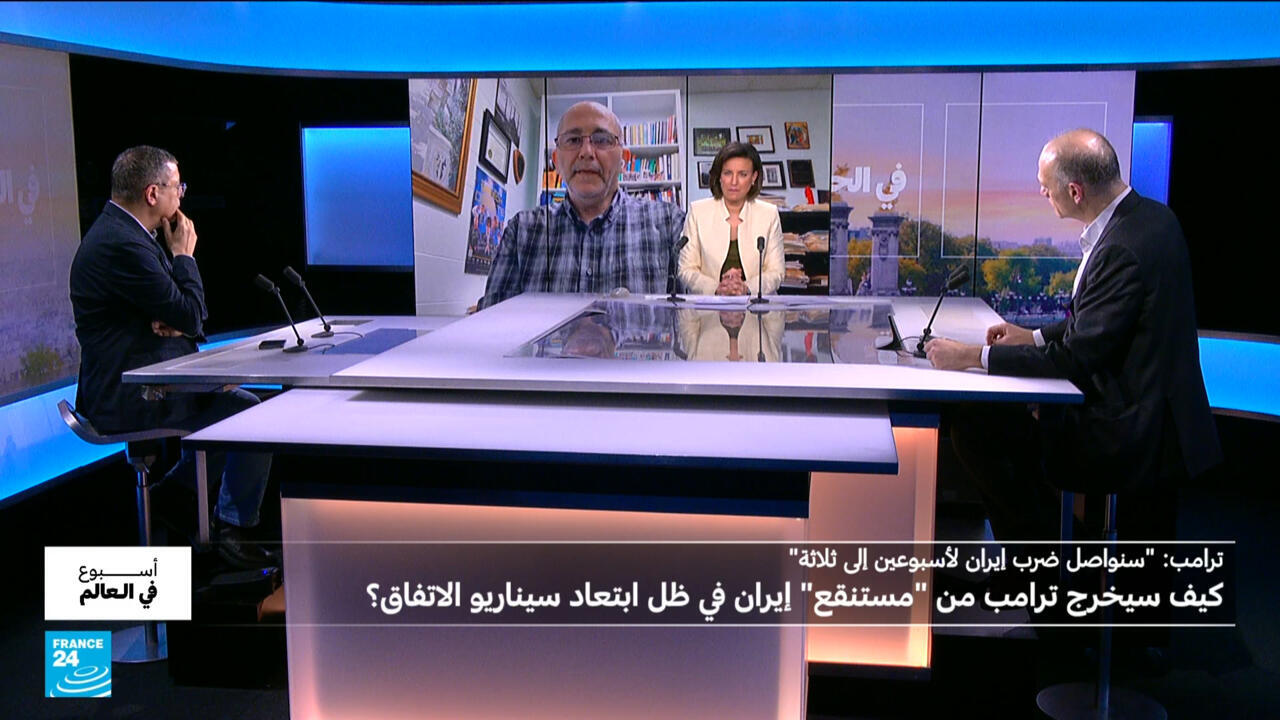
A U.S. fighter jet has crashed in Iranian territory, raising questions about the future of the escalating conflict between the United States and Iran. This incident comes at a time when the region is witnessing an increase in Iranian attacks on targets in the Gulf, alongside American warnings of strong military responses.
Concerns are mounting that this escalation could lead to a larger conflict, with the possibility of expanding U.S. military operations against Iran looming on the horizon. In the program "A Week in the World," these developments were discussed in depth, analyzing the geopolitical and economic dimensions of this conflict.
Details of the Incident
The recent incident reflects the rising tensions between Washington and Tehran, as Iranian attacks on commercial vessels in the Gulf increase, complicating the security situation in the region. The United States, which adopts a maximum pressure policy against Iran, is threatening to intensify its military operations, which could provoke unexpected reactions from the Iranian side.
American statements suggest that the Biden administration may be prepared to escalate military operations, raising concerns among observers that this could lead to a comprehensive escalation in the region. Iran, for its part, has confirmed that it will respond forcefully to any aggression, further heightening tensions.
Background & Context
Historically, U.S.-Iranian relations have experienced increasing tensions since the Iranian Revolution in 1979. Economic sanctions imposed by the United States on Iran have exacerbated the country's economic and social crises. In recent years, Iranian attacks in the region have escalated, including strikes on oil facilities in Saudi Arabia, complicating the security situation further.
The U.S. military presence in the region, aimed at protecting its interests and allies, faces increasing challenges from Iran, which seeks to enhance its influence in Iraq, Syria, and Lebanon. These dynamics reflect the broader conflict between regional and international powers in the Middle East.
Impact & Consequences
The current escalation could have serious implications for regional security, potentially causing mass displacement of populations, as seen in Lebanon, where ongoing conflict has forced over a million people to flee. The economic impact of this conflict could be devastating, as rising tensions may lead to increased oil prices and deteriorating economic conditions in neighboring countries.
On a global scale, this conflict could affect energy markets, as Iran is one of the major oil-exporting countries. Any escalation in the conflict could lead to significant fluctuations in oil prices, impacting the global economy as a whole.
Regional Significance
The Arab world finds itself at the heart of this conflict, with neighboring countries directly affected by its repercussions. Armed conflicts and security threats impact stability in the region, increasing the suffering of Arab populations. Additionally, the humanitarian crises resulting from conflicts may exacerbate social and economic conditions in Arab countries.
In conclusion, the current situation in the Arab region requires careful analysis and a deep understanding of the potential consequences of this escalation. It is crucial for Arab countries to remain vigilant and strive for stability amid these changing circumstances.