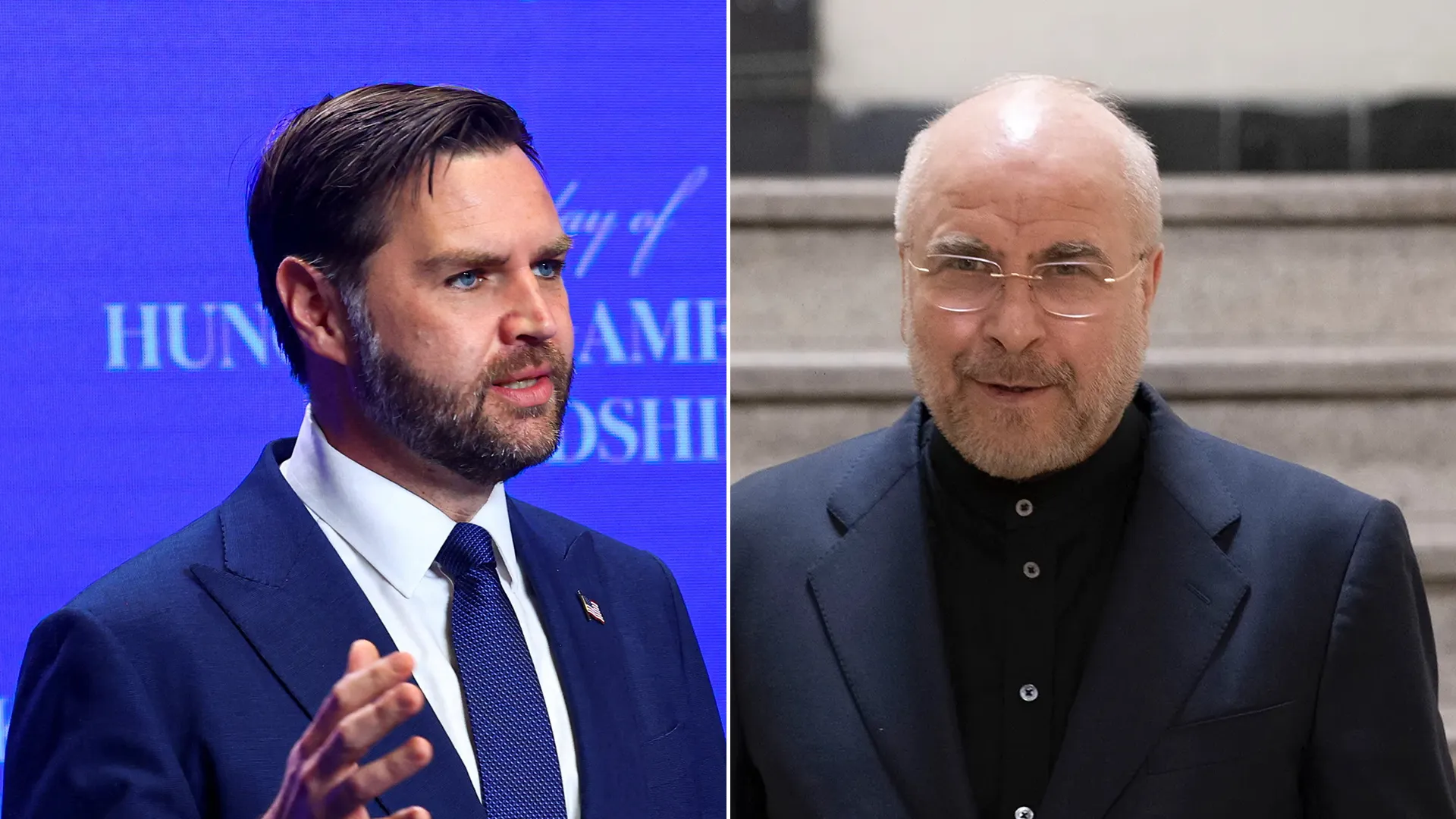
In an unexpected turn of events, the United States announced a two-week suspension of its attacks on Iran, effectively halting the military escalation that had been looming. This announcement came at a highly sensitive time, as the region was on the brink of open confrontation, reshuffling the political and military dynamics and allowing for new negotiations under the auspices of Pakistan.
The sudden shift in the U.S. stance occurred less than 90 minutes before a deadline set by President Donald Trump, who had threatened escalatory options. However, the announcement of the ceasefire was conditional on the opening of the Strait of Hormuz, to which Iran responded with initial signals.
Details of the Event
The director of Al Jazeera's office in Tehran, Nour al-Din al-Daghir, noted that the selection of Bagher Ghalibaf, the Iranian parliament speaker, to lead the negotiating delegation reflects a shift in negotiations to a direct military-security level. Ghalibaf, who has a strong background in the Revolutionary Guard, enhances the chances of successful negotiations, especially given Tehran's previous reservations about the level of U.S. representation.
The Iranian reservations were not merely formal; they were related to the figures who represented Washington in previous rounds, such as Steve Witkoff and Jared Kushner, whom Tehran deemed unsuitable for handling the sensitivity of the file. In contrast, Iranian circles seem to express cautious relief regarding the possibility of U.S. representation through J.D. Vance, the U.S. Vice President, who holds less hawkish positions regarding war.
Background & Context
These developments come at a time when the region was nearing a moment of explosion, with U.S. bombers on the brink of Iranian airspace. Meanwhile, the parties of the resistance axis declared a state of alert, reflecting the escalating tensions in the region. Despite the halt in communications at a critical stage due to deep disagreements, regional mediations, including from Gulf states and Egypt, contributed to reviving the negotiating track.
The current ceasefire, although temporary, represents an opportunity to rearrange priorities, especially in light of the economic pressures faced by the involved parties. The announcement of the ceasefire led to a sharp decline in oil prices and a rebound in global markets.
Impact & Consequences
Former Pakistani ambassador Maleeha Lodhi confirmed that the mediation led by Pakistani Army Chief Asim Munir relied on backchannel communications that lasted for weeks, contributing to building trust between the two sides. While the current deadline represents a real opportunity to move towards direct negotiations, the gap between the positions of both sides remains significant.
The acceptance of both sides to discuss each other's proposals is a first step, but it does not necessarily mean reaching a final agreement. Regarding guarantees, discussions about them are premature and may later materialize through international mechanisms.
Regional Significance
The Islamabad negotiations gain additional importance with Tehran's confirmation of its readiness for direct negotiations, putting pressure on Washington to match this political escalation with equivalent figures. The success of these negotiations could contribute to achieving relative stability in the region and reducing the intensity of existing tensions.
In conclusion, the question remains about the possibility of achieving lasting peace under the current circumstances, as doubts persist regarding the parties' ability to overcome the deep disagreements that hinder reaching a comprehensive agreement.