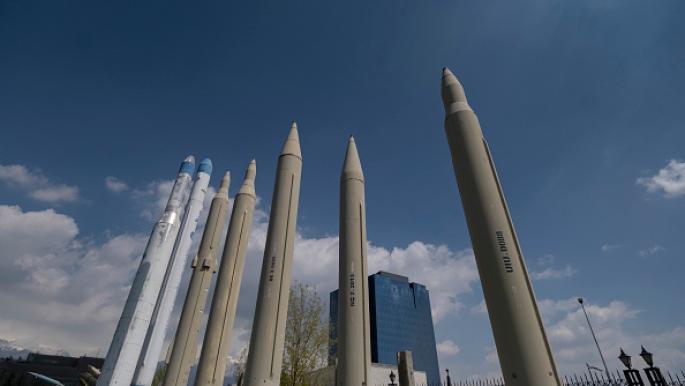
U.S. intelligence assessments indicate that the time Iran needs to develop a nuclear weapon remains unchanged, despite the regional crises and tensions affecting the area. This information comes at a time when fears of nuclear armament in the Middle East are escalating, raising concerns within the international community.
These assessments serve as a confirmation of the continuity of Iran's nuclear situation, with estimates suggesting that Iran still requires several months or years before it can produce an actual nuclear weapon. This reflects the relative stability of the Iranian nuclear program, despite the political and economic pressures the country faces.
Details of the Event
The information reported by Reuters is based on three unnamed sources, raising questions about the accuracy of these assessments and their impact on U.S. policy towards Iran. In recent years, relations between Iran and the United States have become increasingly strained, especially following Washington's withdrawal from the nuclear agreement in 2018.
Concerns are growing that any advancement in Iran's nuclear program could lead to an arms race in the region, as countries like Saudi Arabia and the UAE seek to bolster their defensive capabilities in response to potential threats. Additionally, there are increasing calls from some Western nations for further sanctions on Iran, which could affect the overall stability of the region.
Background & Context
Since 2002, when Iran's nuclear program was revealed, there have been ongoing fears that Iran is seeking to develop a nuclear weapon. Iran signed an agreement with world powers in 2015 aimed at restricting its nuclear program in exchange for relief from economic sanctions. However, the U.S. withdrawal from the agreement and the re-imposition of sanctions have brought matters back to square one.
Iran maintains that its nuclear program is peaceful, justifying it as a means to meet energy needs. However, the international community, particularly Western nations, remains skeptical of Iran's intentions, complicating negotiations surrounding its nuclear program.
Impact & Consequences
This information could escalate tensions between Iran and Western nations, potentially prompting some countries to take stricter actions against Tehran. The continuation of Iran's nuclear program may also provoke military responses from neighboring countries, increasing the risk of armed conflict in the region.
Domestically, these assessments may influence Iranian policy, as the government could use this information to bolster its position before the Iranian people, justifying the continuation of the nuclear program as a means of defending national sovereignty.
Regional Significance
Arab countries neighboring Iran, such as Saudi Arabia and the UAE, are among those most affected by these developments. Any progress in Iran's nuclear program could drive these countries to enhance their military capabilities, potentially leading to an arms race in the region.
Furthermore, these circumstances may affect relations between Arab states and Iran, as they could exacerbate sectarian and political tensions in the region, negatively impacting regional security and stability.
In conclusion, information regarding Iran's nuclear program remains of significant interest to the international community, as any changes in this context could greatly influence regional and international security.