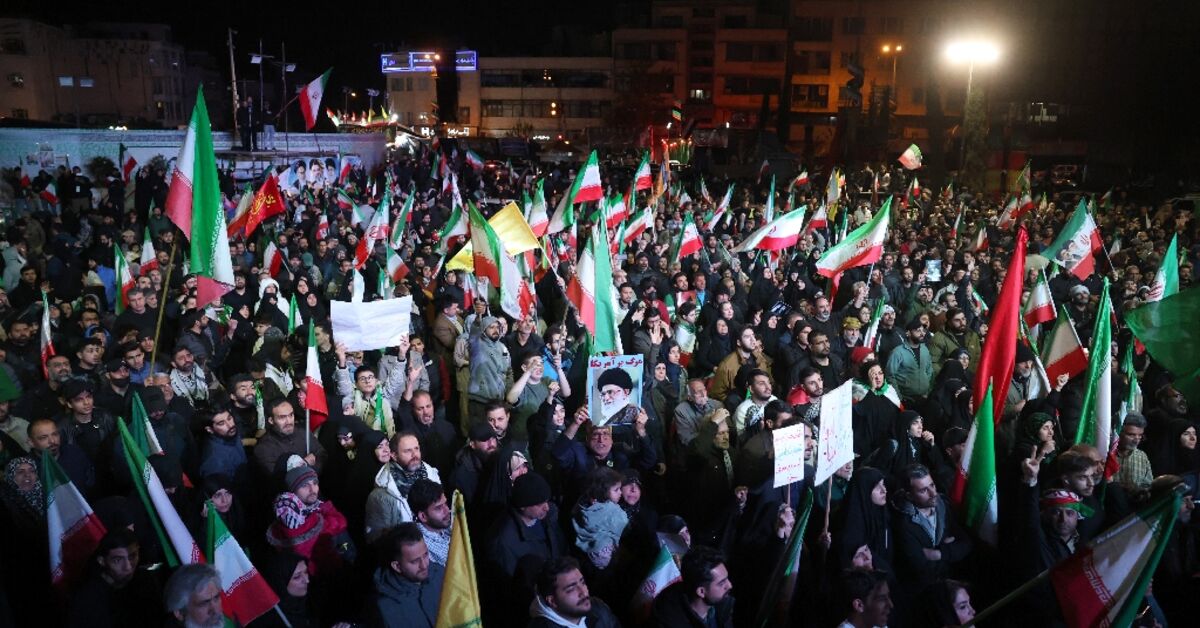
In a move that could help alleviate escalating tensions in the Middle East, the United States and Iran have announced a two-week ceasefire agreement. This announcement follows a series of clashes in the region, with both parties claiming victory in these confrontations. The agreement is seen as a significant step towards achieving stability at a time when fears of escalating conflicts are growing.
The United Nations Secretary-General, Antonio Guterres, welcomed the agreement, emphasizing the need to work towards lasting peace in the region. Guterres' spokesperson stated: "The Secretary-General welcomes the announcement of a ceasefire between the United States and Iran and urges all parties to work towards a comprehensive and sustainable peace."
Details of the Ceasefire Agreement
This agreement comes at a critical juncture, as relations between the United States and Iran have been marked by severe tensions in recent years, particularly following the U.S. withdrawal from the Iranian nuclear deal in 2018. These tensions have led to military escalations in the region, impacting both regional and international security.
The temporary ceasefire is viewed as an opportunity for both sides to reassess their positions and consider future steps that may lead to deeper dialogue. This period is expected to be utilized to de-escalate tensions and could mark the beginning of new negotiations on outstanding issues.
Background & Context
Historically, U.S.-Iranian relations have experienced significant fluctuations, starting from the Iranian Revolution in 1979, which led to the severing of diplomatic ties between the two countries. Since then, there have been numerous crises affecting regional security, including conflicts in Iraq and Syria.
In recent years, tensions have escalated dramatically, particularly following attacks on oil facilities in Saudi Arabia, which Iran was accused of orchestrating. These events have intensified the strain between the United States and its allies on one side and Iran on the other, making the region susceptible to further conflicts.
Impact & Consequences
The temporary ceasefire could have positive implications at both regional and international levels. It may help reduce tensions, allowing for a return of some stability to oil markets and financial markets in the region. Additionally, it could open the door for new negotiations regarding outstanding issues, such as the Iranian nuclear program.
Furthermore, this agreement may influence relations between the United States and its allies in the region, as some may seek to take advantage of this opportunity to enhance dialogue with Iran. However, the question remains regarding the parties' ability to adhere to this agreement and achieve tangible results.
Regional Significance
For Arab countries, this agreement may present both opportunities and challenges. Countries affected by the conflicts in the region, such as Iraq and Syria, could benefit from any improvement in U.S.-Iran relations. Additionally, this agreement may help ease tensions in conflict zones, potentially leading to greater stability.
However, the biggest challenge remains how to achieve lasting and comprehensive peace in the region, especially in light of complex issues such as the Israeli-Palestinian conflict and sectarian disputes. Therefore, the success of this agreement hinges on the commitment of the involved parties to work towards sustainable peace.