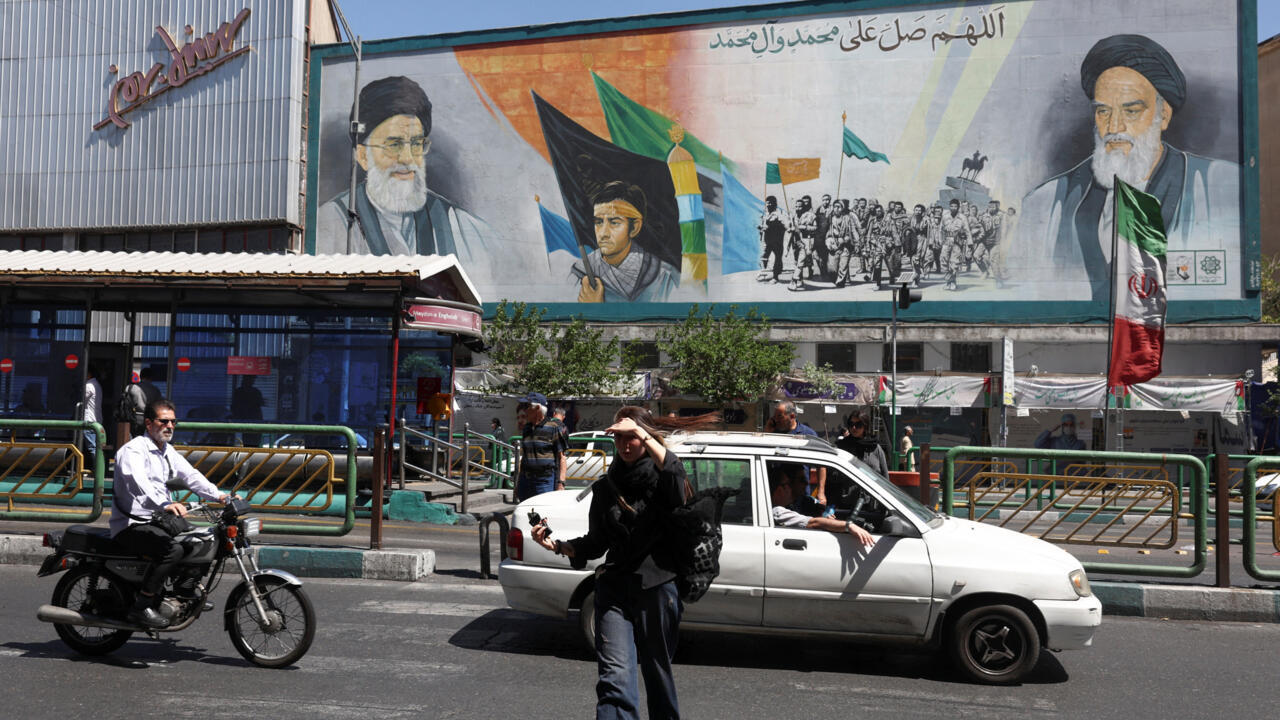
According to American sources, negotiators from the United States and Iran have reached a framework agreement to extend the ceasefire in the Middle East conflict for a period of 60 days, awaiting approval from President Donald Trump. These developments occur as mutual strikes continue in the Strait of Hormuz, Kuwait, and Lebanon, complicating the situation in the region.
In contrast, a source from the Iranian negotiating team denied reports of a finalized agreement, stating, "This is not true, and the text has not been definitively approved yet." This discrepancy in statements follows accusations exchanged between Washington and Tehran regarding violations of the truce announced after the war that erupted following the US-Israeli attack on Iran on February 28.
Details of the Agreement
According to sources in Washington, what was revealed by the website Axios aligns with what has been negotiated regarding a memorandum of understanding to extend the truce and open a pathway for negotiations concerning the Iranian nuclear program. The memorandum stipulates unrestricted and toll-free passage in the Strait of Hormuz, in exchange for Iran's commitment to remove mines from the waterway within 30 days.
On the American side, the memorandum includes a partial lifting of the blockade imposed on Iranian ports commensurate with the volume of commercial shipping that will resume through the strait, and allows Tehran to sell oil while suspending some US sanctions. It also includes an Iranian commitment not to seek nuclear weapons, with the inclusion of Iran's enriched uranium stockpile as one of the main issues during the 60-day period.
Background & Context
This negotiation comes amid escalating field tensions, with Washington accusing Iran of closing the Strait of Hormuz, leading to supply shortages and rising fuel prices. Oil prices have seen a significant increase following reports of mutual strikes, after having previously declined with growing hopes for an agreement.
On the other hand, Tehran links any understanding to halting hostilities and ending the US blockade on its ports, in addition to the release of frozen assets valued at $24 billion. The ISNA agency reported that Iran could receive half of this amount upon signing a preliminary memorandum of understanding.
Impact & Consequences
On the night of Wednesday/Thursday, the most intense exchange of fire since the ceasefire was announced on April 8 occurred, with US forces reporting they intercepted five attacking drones in the Strait of Hormuz and its surroundings. In response, Tehran targeted a US base, further complicating the military landscape in the region.
Additionally, US Treasury Secretary Scott Pisent threatened to impose sanctions on Oman if it participated in implementing the Iranian toll system in the Strait of Hormuz, a move that could affect regional relations. The Iranian Foreign Ministry spokesperson described the US threat to Oman as "a concerning sign of normalizing chaos and intimidation in international relations."
Regional Significance
In Lebanon, bombing operations continued despite the ceasefire declared since April 17, with an Israeli airstrike targeting an apartment in the Shweifat area south of Beirut, resulting in casualties. The Israeli army also announced the death of a soldier due to a drone attack launched by Hezbollah, raising the number of its casualties since early March to 24 soldiers.
Concerns are growing over the escalation of hostilities in the region, as parties exchange accusations of violating the ceasefire, threatening regional stability and complicating humanitarian conditions.