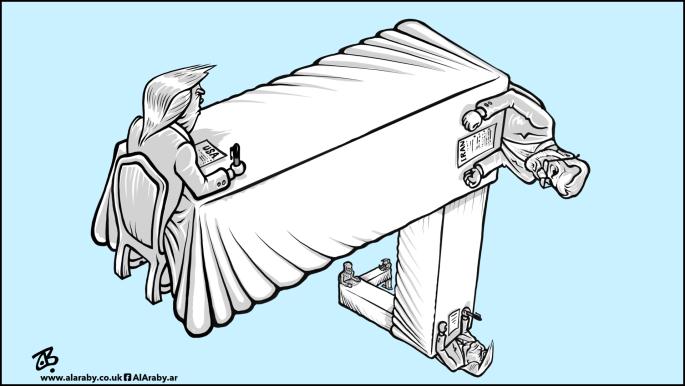
The ongoing negotiations between the United States and Iran aim to make progress on the Iranian nuclear program. These talks are crucial as regional tensions rise, highlighting the importance of dialogue between the two parties.
The United States seeks to impose strict limitations on Iranian nuclear activities, while Iran hopes to ease the sanctions imposed on it. Reports indicate that both sides face significant challenges in reaching a consensus that satisfies both parties.
Details of the Negotiations
The current negotiations encompass a range of complex issues, including uranium enrichment, the development of ballistic missiles, and Iran's support for militias in the region. The United States has expressed its willingness to negotiate sanctions relief, provided that Iran adheres to its nuclear commitments.
Simultaneously, Iran aims to secure its rights to use nuclear energy for peaceful purposes, further complicating the negotiations. Negotiators have indicated that there has been slight progress, but the road ahead remains long.
Background & Context
The roots of tensions between the United States and Iran date back decades, with significant fluctuations in relations since the Islamic Revolution in 1979. American policies towards Iran have led to harsh economic sanctions, significantly impacting the Iranian economy.
In 2015, a historic nuclear agreement was reached between Iran and the 5+1 group, but the United States withdrawal from the agreement in 2018 exacerbated the situation. Since then, Iran has begun to exceed the limits set by the agreement, raising international concerns about its nuclear program.
Impact & Consequences
If the negotiations succeed, they could lead to a de-escalation of tensions in the region, contributing to the stability of oil markets and enhancing regional security. However, failure in the negotiations may escalate the conflict, negatively impacting neighboring countries.
These negotiations also serve as a test for the administration of President Joe Biden, which aims to rebuild relations with its allies in the region amid increasing challenges posed by Iran.
Regional Significance
The US-Iran negotiations directly affect security and stability in the Arab region. Increased tensions could escalate conflicts in countries such as Iraq, Syria, and Lebanon, where Iran plays a key role.
Conversely, successful negotiations could pave the way for greater cooperation between Arab countries and Iran, potentially contributing to peace in the region. Therefore, Arab nations are closely monitoring these negotiations, as their outcomes are of significant importance for the future of the region.