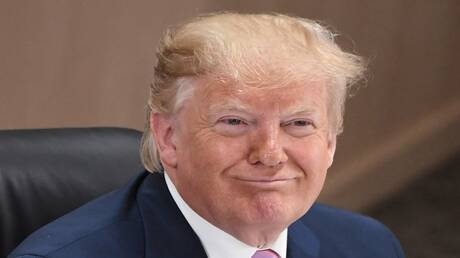
President Donald Trump has declared that negotiations with Iran will begin very soon in Pakistan, with special envoys Steve Witkoff and Jared Kushner participating in these discussions. This move comes at a critical time as the U.S. administration seeks diplomatic solutions to the escalating tensions with Tehran.
This negotiation represents a new opportunity to rebuild relations between the United States and Iran, following years of regional tensions. Trump emphasized the significance of these talks in achieving stability in the Middle East, a primary goal of the current U.S. administration.
Details of the Upcoming Event
The anticipated negotiations will take place in Pakistan, reflecting Islamabad's potential role as a mediator in the relations between Washington and Tehran. Envoys Steve Witkoff and Jared Kushner, known for their roles in U.S. foreign policy, will lead these efforts. The discussions are expected to address a range of issues, including Iran's nuclear program, Tehran's support for militias in the region, and human rights concerns.
This step follows several months of escalating tensions between the two countries, during which Iran has shown some flexibility in its positions, opening the door for the possibility of new agreements. The talks are likely to focus on how to ease the sanctions imposed on Iran in exchange for its commitment to international obligations.
Background & Context
Historically, U.S.-Iranian relations have experienced significant fluctuations, deteriorating after the Islamic Revolution in 1979. Since then, the United States has adopted a hardline stance towards Iran, particularly regarding its nuclear program. In 2015, a nuclear agreement was reached between Iran and major powers, but the U.S. withdrawal from the agreement in 2018 reignited tensions.
The current U.S. administration aims to revive dialogue with Iran, reflecting a shift in American foreign policy. These negotiations could be a step towards reducing tensions in the region, where Iran is a key player in many regional conflicts.
Impact & Consequences
If the negotiations succeed, they could lead to the easing of sanctions imposed on Iran, contributing to an improvement in the country's economic situation. Additionally, the success of these talks may open doors for further cooperation between the United States and Iran in other areas, such as counterterrorism and regional security.
However, if the negotiations fail, it could result in a new escalation of tensions, negatively impacting security in the region. It is crucial for neighboring countries, such as Saudi Arabia and Israel, to closely monitor these developments, as any changes in U.S.-Iranian relations may affect the balance of power in the Middle East.
Regional Significance
The U.S.-Iran negotiations hold significant importance for Arab countries, as any agreement could impact the stability of the region. Gulf states, in particular, are watching these developments with concern, fearing that any rapprochement between Washington and Tehran may reduce U.S. support for them.
At the same time, these negotiations may open up new opportunities for cooperation between Arab countries and Iran, especially in the fields of economy and security. The success of these talks could contribute to achieving stability in the region, a common goal for all parties involved.
In conclusion, the upcoming U.S.-Iran negotiations in Pakistan represent a new opportunity for communication and dialogue amid significant challenges. The success of these talks could have positive effects on the region, while failure may lead to a new escalation of tensions. Therefore, all eyes remain focused on these negotiations and the outcomes they will produce.