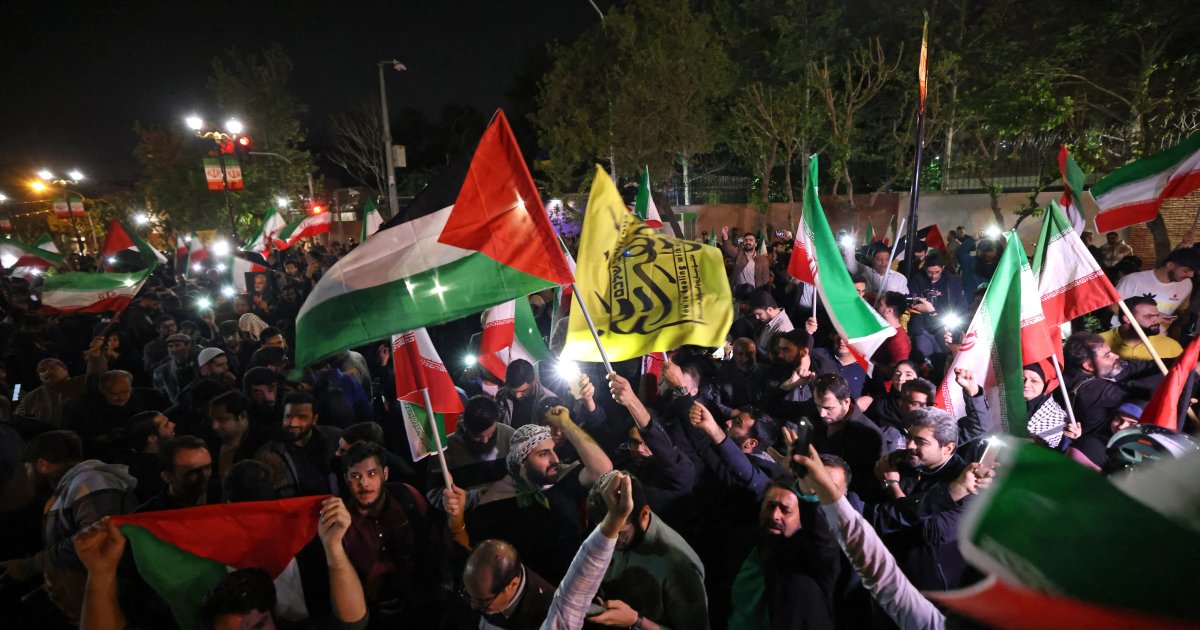
The tensions between the United States and Iran continue to escalate, showcasing a strategic battle that transcends military boundaries. Both nations are striving to enhance their influence in the region, which creates an environment of instability and tension. This conflict is not merely military; it also encompasses complex political and economic dimensions that affect the situation in the Middle East.
In recent years, the relationship between the United States and Iran has seen a significant escalation, with Washington taking numerous steps to bolster its military presence in the region, while Tehran seeks to enhance its influence by supporting its allies in Iraq, Syria, and Lebanon. This conflict reflects a historical rivalry between the two powers, as each strives to achieve its strategic objectives.
Details of the Conflict
The United States aims to undermine Iran's influence in the region by imposing strict economic sanctions, while Iran attempts to leverage its regional power to strengthen its position. In this context, the importance of other regional powers, such as Russia and China, emerges, as they seek to enhance their relations with Iran, complicating the landscape further.
Despite American pressures, Iran has managed to maintain a network of regional alliances, enabling it to respond to any threats. This fragile balance between the two powers reflects a complex reality that requires a deep understanding of the political and economic dimensions of the conflict.
Background & Context
Historically, the roots of the conflict between the United States and Iran date back to the Islamic Revolution in 1979, which led to the severance of diplomatic relations between the two countries. Since then, the region has witnessed numerous events that have deepened the rift between the two powers, such as the American invasion of Iraq in 2003, which enhanced Iran's influence in Iraq.
In recent years, tensions have notably increased, especially following the United States' withdrawal from the Iranian nuclear deal in 2018, which led to the escalation of economic sanctions on Tehran. These steps have significantly impacted the Iranian economy but have also increased Iran's determination to bolster its regional influence.
Impact & Consequences
The repercussions of the conflict between the United States and Iran extend beyond regional borders, affecting stability in the Middle East as a whole. The escalation of tensions could lead to military confrontation, threatening both regional and international security. Additionally, this conflict impacts global oil prices, as Iran is a key player in the energy market.
Moreover, the continuation of this conflict exacerbates instability in countries like Iraq and Syria, where Iran seeks to enhance its influence by supporting local militias. This situation complicates peace efforts in the region and hinders any progress towards resolving existing disputes.
Regional Significance
Arab countries are significantly affected by the conflict between the United States and Iran, as many of these nations are allies of the United States. This situation places them in a sensitive position, as they strive to maintain their strategic relationships with Washington while facing pressures from Iran.
At the same time, the rising Iranian influence in the region raises concerns among many Arab nations, prompting them to strengthen their security and military cooperation. This reflects a growing anxiety regarding regional stability and underscores the importance of dialogue and cooperation among Arab states to address common challenges.
In conclusion, the conflict between the United States and Iran represents a complex strategic battle that affects the situation in the Middle East. Understanding this conflict requires a deep analysis of its political and economic dimensions, as well as its impact on Arab countries and their interests. The stability of the region depends on these nations' ability to navigate the challenges posed by this ongoing battle.