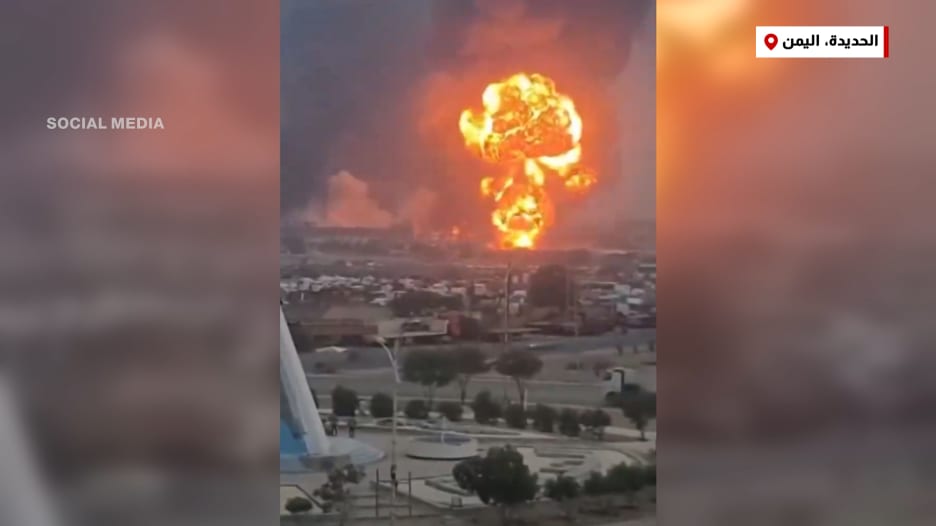
Eighteen people were injured in a US-Israeli airstrike targeting a residential building in Alborz province west of Tehran early this morning, according to local authorities. The incident occurred in a residential area, leading to panic among residents as emergency teams rushed to the scene to assist the injured.
The airstrike comes at a sensitive time marked by increasing tensions between Iran and the United States and its allies, complicating the security situation in the Middle East. The injured were transported to nearby hospitals for treatment, with reports indicating that some injuries are serious.
Details of the Incident
According to reports, the airstrike targeted a residential building early this morning, resulting in significant damage to the structure and injuries to many residents. Local authorities confirmed that the strike resulted in 18 injuries, including children, who were taken to the hospital for treatment.
This attack occurs amid escalating tensions between Iran and the United States, with both nations exchanging accusations regarding military activities and interventions in each other's internal affairs. The airstrike is considered one of the deadliest attacks in the region in a long time, raising concerns about the potential for further escalation of conflict in the area.
Background & Context
Historically, relations between Iran and the United States have been marked by ongoing tensions since the Islamic Revolution in 1979. Since then, the United States has imposed strict economic sanctions on Iran, leading to a deterioration of the country's economic conditions. In recent years, these tensions have significantly increased, especially after the United States withdrew from the Iranian nuclear deal in 2018.
The alliance between the United States and Israel has also contributed to the escalation of these tensions, as Israel views Iran as an existential threat. Israel has conducted several airstrikes on Iranian sites in Syria, further intensifying the conflict in the region.
Impact & Consequences
This airstrike represents a serious escalation in the conflict between Iran and the United States and its allies, potentially leading to military responses from Iran. It is expected that Iran will respond to this attack in various ways, either through increased military activities in the region or by supporting its allies in Iraq and Syria.
This escalation could also impact the security situation in the region, as it may lead to heightened tensions between Iranian-backed armed factions and US forces in Iraq and Syria. Additionally, this attack may affect potential peace talks in the region, as the situation could become more complicated following this escalation.
Regional Significance
Arab countries are directly affected by the rising tensions between Iran and the United States, as many Arab nations view Iran as a threat to their national security. This escalation could lead to increased tensions in countries such as Iraq, Syria, and Lebanon, where Iranian-backed armed factions are present.
Arab nations may find themselves in a difficult position, as they must deal with the repercussions of this escalation on their internal security and relations with global powers. Under these circumstances, some Arab countries may seek to strengthen their alliances with the United States to counter the increasing Iranian threats.