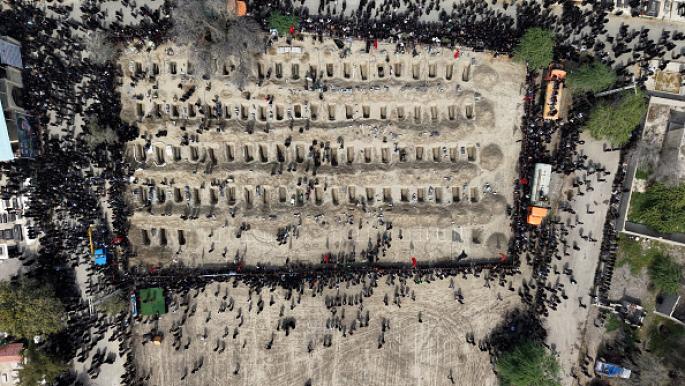
Iranian government spokesperson Fatemeh Mohajerani announced that U.S.-Israeli attacks on civilian areas in Iran resulted in the deaths of 245 students and damage to 83,000 homes and 763 schools. These figures highlight the devastating impact these attacks have had on the country's infrastructure.
The attacks, which targeted residential and educational areas, sparked widespread condemnation both locally and internationally. The Iranian government deemed these attacks a blatant violation of human rights and called on the international community to take a firm stance against such hostile actions.
Details of the Attacks
Mohajerani provided details about the attacks, noting that the victims were primarily children and students who were in schools at the time of the assault. She also emphasized that the damage to homes and schools requires significant efforts for reconstruction, further increasing the suffering of citizens amid difficult economic conditions.
These attacks come at a sensitive time when Iran is experiencing heightened tensions with the United States and Israel, raising fears of a potential military escalation in the region. Numerous previous attacks targeting Iranian infrastructure have been documented, raising concerns about the future of security and stability in the country.
Background & Context
Historically, Iran has faced ongoing tensions with the United States and Israel, especially following the U.S. withdrawal from the nuclear agreement in 2018. These tensions have led to an escalation in military actions, with Iranian military attacks targeting U.S. interests in the region, intensifying the conflict.
In recent years, attacks on civilian areas have become part of a military strategy aimed at pressuring the Iranian government. This strategy has drawn widespread criticism from human rights organizations, which argue that such attacks violate international laws.
Impact & Consequences
These attacks represent a serious escalation in the ongoing conflict, directly affecting the lives of civilians, particularly children. The significant damage to schools and homes means that many families will face difficulties in accessing education and basic care.
Moreover, these events could exacerbate the humanitarian situation in Iran, necessitating international intervention to assist those affected. The continuation of these attacks may provoke military responses from Iran, increasing the likelihood of a larger conflict in the region.
Regional Significance
These events directly impact the security situation in the Arab region, as Iran is a key player in many regional conflicts. The escalating tensions between Iran, the United States, and Israel could lead to unforeseen repercussions for neighboring countries, heightening instability in the region.
Additionally, these events may affect relations between Arab countries and Iran, with some nations potentially adopting more cautious stances in dealing with Tehran. At the same time, some countries may seek to strengthen their alliances with the United States to counter potential threats.
In conclusion, these events underscore the urgent need for dialogue and negotiation to resolve conflicts in the region, as continued military escalation will only lead to further suffering for civilians.