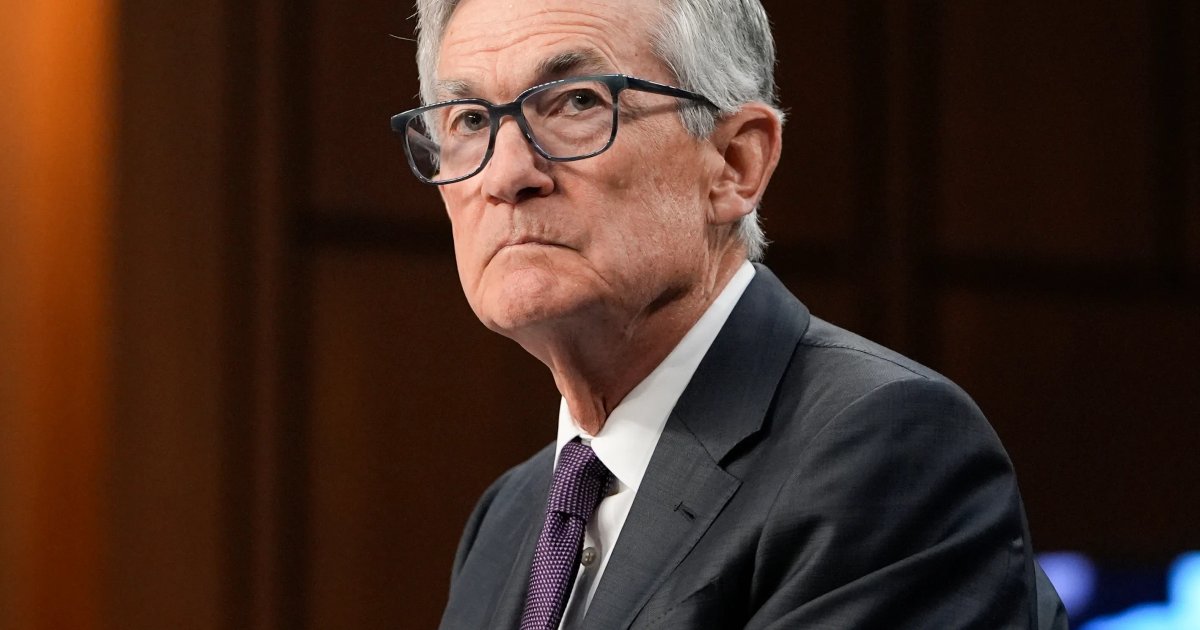
A U.S. judge has confirmed a ban on summoning Federal Reserve Chair Jerome Powell, paving the way for a potential appeal. This decision comes at a critical time as financial markets closely monitor any developments related to monetary policy. The ruling has raised questions about its impact on economic policies in the United States.
The judge, whose name has not been disclosed, deemed that the subpoenas aimed at questioning Powell regarding his monetary policy decisions could be unwarranted. This ruling is considered a victory for Powell, who faces increasing pressure from some lawmakers and economic analysts.
Details of the Event
Earlier, there were calls to summon Powell to testify about how the Federal Reserve manages its monetary policies, especially amid current economic challenges. However, the judge's decision reflects a desire to protect the independence of the U.S. central bank, which many consider essential for economic stability.
These events occur at a time of rising concern about inflation in the United States, where prices have seen notable increases in recent months. The Federal Reserve has taken steps to raise interest rates in an attempt to curb inflation, directly impacting financial markets.
Background & Context
Historically, the Federal Reserve has enjoyed significant independence from the U.S. government, allowing it to make monetary decisions without political interference. However, political pressures have increased in recent years, particularly with growing concerns about the impact of monetary policies on the U.S. economy.
In recent years, the United States has faced several economic crises, from the global financial crisis in 2008 to the impacts of the COVID-19 pandemic. The Federal Reserve has played a significant role in the government's response to these crises, increasing its importance in economic policy.
Impact & Consequences
This decision could have a significant impact on how markets respond to monetary policies in the future. If the Federal Reserve continues to make its decisions without political interference, it may lead to greater stability in financial markets. However, any shift in this direction could result in increased volatility in the markets.
Furthermore, this ruling may affect how lawmakers approach economic issues in the future. Some legislators may feel unable to exert pressure on the Federal Reserve, potentially leading to changes in how economic policies are formulated.
Regional Significance
The United States is one of the largest economies in the world, and any changes in its monetary policies could directly impact the global economy, including Arab nations. For instance, higher interest rates in the U.S. may affect investment flows to the Arab region, influencing economic growth.
Additionally, stability in U.S. monetary policy can contribute to stabilizing oil prices, which is vital for Arab economies that heavily rely on oil revenues. Therefore, monitoring developments at the Federal Reserve will be of great importance to Arab countries.