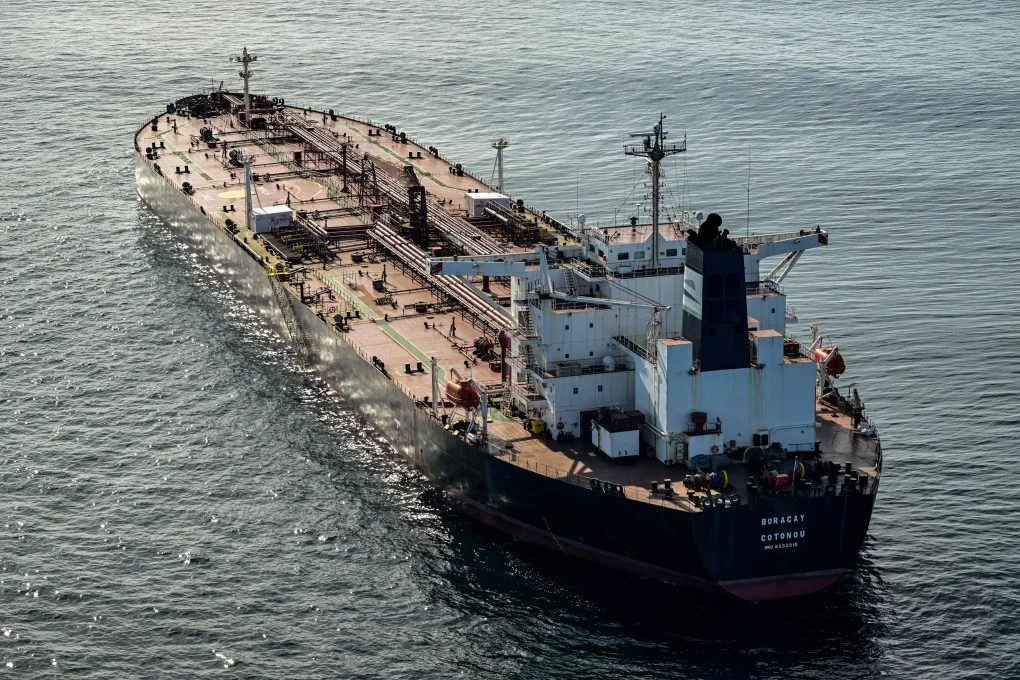
US lawmakers are calling on President Donald Trump's administration to take stringent actions against alleged Chinese oil imports that are subject to sanctions. Members of the House Select Committee on Strategic Competition between the United States and the Chinese Communist Party have proposed blacklisting port operators and halting complex financial settlement networks. These calls come at a time when global markets are under pressure due to the US-Israeli conflict in Iran.
Despite Washington's temporary easing of sanctions on Russian and Iranian oil aimed at alleviating price pressures, the committee has released a 41-page report highlighting the risks associated with Chinese oil imports. The report underscores growing concerns that China may be benefiting from these imports, potentially increasing tensions between Washington and Beijing.
Details of the Event
These steps come at a sensitive time as the United States seeks to bolster its position against the economic and political challenges posed by China. The report indicated that China may have circumvented sanctions imposed on Iranian and Russian oil through unconventional methods, necessitating strict actions by the US administration.
Lawmakers have emphasized the importance of taking effective steps to prevent any facilitation that Chinese companies might provide to port operators, which could exacerbate the global economic situation. They expressed concern that the continuation of these imports could undermine international efforts to impose sanctions on countries that violate international laws.
Background & Context
Historically, the United States has imposed strict sanctions on Iran and Russia in an attempt to curb their oil activities. However, the escalating tensions in the Middle East, particularly with the rising conflict between the United States and Israel on one side and Iran on the other, have prompted Washington to reassess its strategy.
In recent years, relations between the United States and China have significantly deteriorated, with Washington accusing Beijing of failing to adhere to international laws. These developments come at a critical time as the United States seeks to strengthen its alliances in the Pacific region to counter China's growing influence.
Impact & Consequences
Analysts expect these measures to exacerbate tensions between the United States and China, potentially affecting trade relations between the two countries. If these sanctions are implemented, they could provoke reciprocal reactions from China, intensifying the trade conflict between the two superpowers.
Moreover, the impact of these measures may extend to global markets, potentially leading to rising oil prices amid increasing fears of supply shortages. This scenario could place additional pressure on the global economy, which is already struggling with the repercussions of the COVID-19 pandemic.
Regional Significance
For the Arab region, these developments carry significant implications. With rising pressures on oil prices, oil-producing Arab countries may be directly affected, leading to fluctuations in financial markets. Additionally, any escalation in tensions between the United States and China could impact Chinese investments in the region, which are crucial for many Arab nations.
In conclusion, the situation in the Middle East and in international relations remains complex, as economic and political interests intertwine. It is essential to closely monitor these developments, as they may influence regional and international stability in the near future.