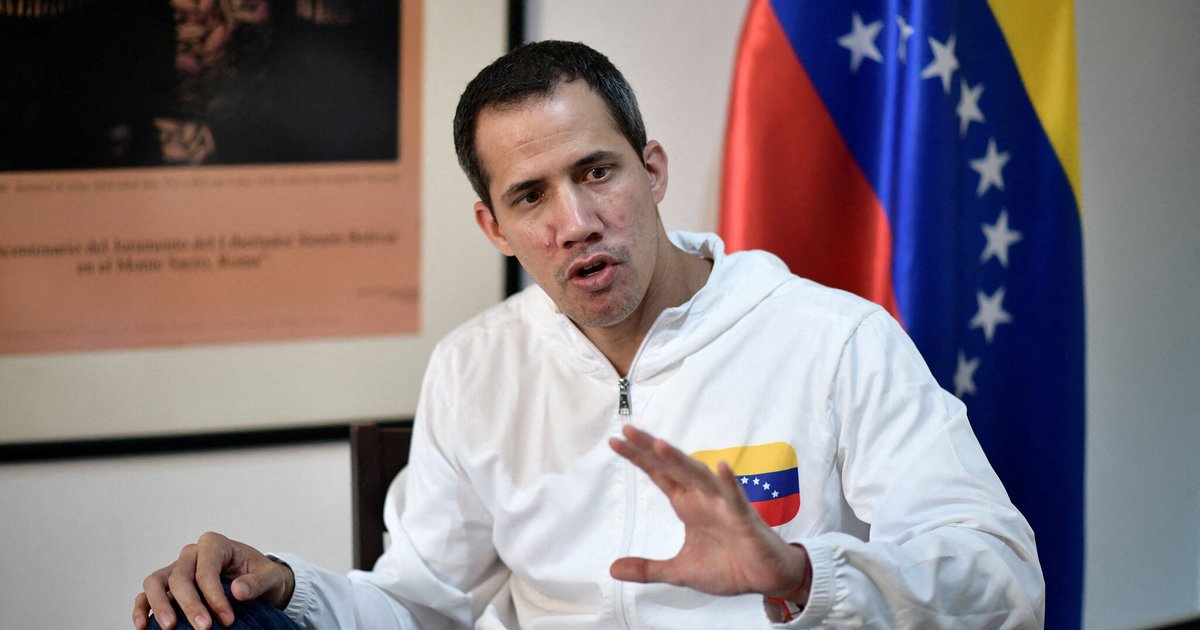
The United States has lifted sanctions imposed on interim Venezuelan President Juan Guaido, a move that could reshape the political landscape in the country. This decision comes at a critical time as Washington seeks to strengthen its position in the region, especially given the economic and political challenges facing Venezuela.
This action represents a fundamental shift in U.S. policy towards Venezuela, where the sanctions were aimed at pressuring the current government led by Nicolas Maduro, who has faced widespread criticism for his economic and social policies. Lifting the sanctions may open the door for Guaido to regain some international support, potentially impacting the future of the current government.
Details of the Event
The lifted sanctions include financial and trade restrictions that were imposed on Guaido in 2019, after he declared himself interim president in opposition to Maduro. These sanctions were intended to undermine Maduro's authority and bolster the Venezuelan opposition. However, the lifting of these sanctions raises questions about the potential impact on political stability in Venezuela.
This step follows a series of negotiations between the United States and Venezuela, where Washington expressed its willingness to cooperate with the Venezuelan government on humanitarian and economic issues. Additionally, the lifting of sanctions may indicate the U.S. desire to rebuild relations with Latin America, especially in light of political changes in the region.
Background & Context
Venezuela has been suffering from a severe economic crisis for years, with living conditions deteriorating significantly, leading to mass migration of citizens to neighboring countries. The U.S. sanctions were part of a broader strategy aimed at pressuring the Venezuelan government, but they also affected the lives of ordinary citizens.
Historically, relations between the United States and Venezuela have been strained, particularly following Maduro's rise to power. Recent years have seen an escalation in tensions, with Washington accusing the Venezuelan government of human rights violations and corruption. Nevertheless, lifting the sanctions could represent a new opportunity for dialogue between the two sides.
Impact & Consequences
Lifting the sanctions could lead to an improvement in Venezuela's economic situation, as it may allow for the influx of foreign investments and humanitarian aid. This move could also strengthen Guaido's position as a leader of the opposition, potentially leading to political changes in the country.
However, it is important to be cautious, as lifting the sanctions does not necessarily mean the end of the crisis. The situation in Venezuela is complex and requires both international and local efforts to achieve stability. The current government may not easily accept these changes, which could lead to heightened tensions in the future.
Regional Significance
This step is significant not only for Venezuela but also for the Arab region. Changes in U.S. policy towards Venezuela could affect relations between Washington and Arab countries, especially those facing political and economic crises. Furthermore, the success of the Venezuelan opposition may encourage opposition movements in other countries.
In conclusion, the lifting of sanctions on Guaido represents a new step in international relations and may open new horizons for Venezuela. However, the future remains uncertain and requires careful monitoring of upcoming developments.