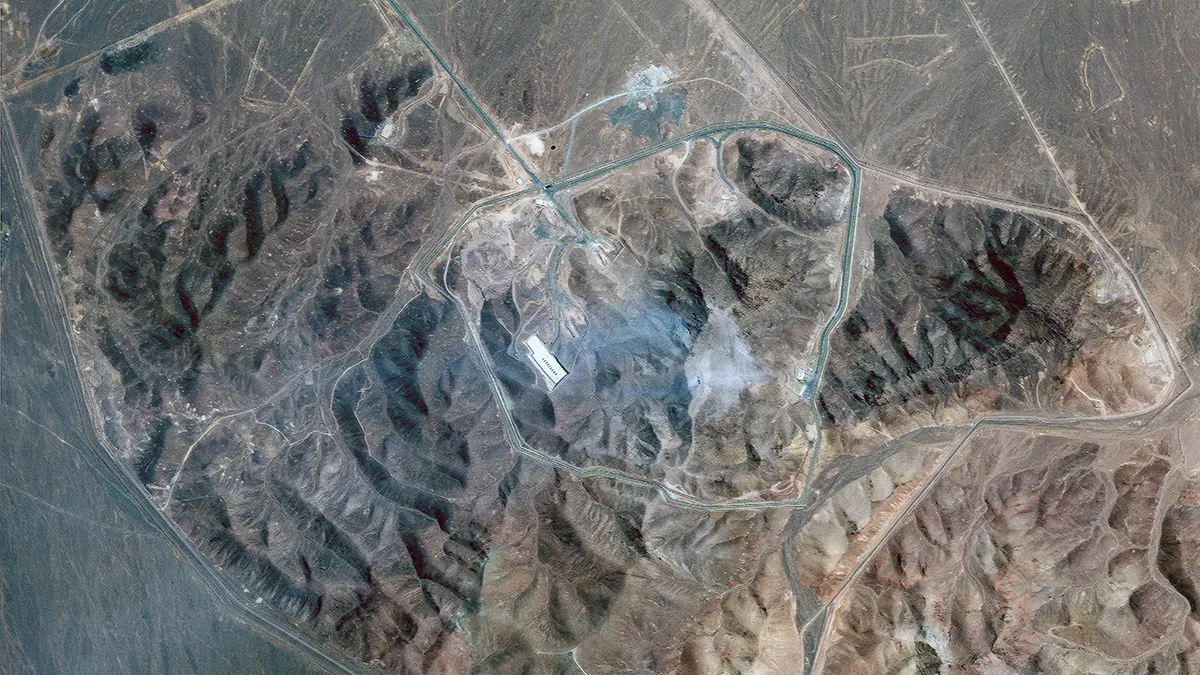
Satellite images taken on April 10, 2026, reveal damage to two vital bridges on the highway linking Tehran and Karaj, which is one of the most important traffic routes west of the Iranian capital. These images indicate clear changes to the bridges, reflecting structural deterioration that may result from direct targeting.
Tehran and Karaj are cities that together represent one of the most densely populated and industrially active regions in Iran. The axis connecting them is one of the most crucial traffic arteries in the area, facilitating movement between residential and industrial clusters in Alborz Province and the capital.
Details of the Incident
In addition to the damage sustained by the two bridges, other satellite images taken on the same date revealed the destruction of a railway bridge in the Chaharbagh area, located west of the Tehran-Karaj axis. This bridge is part of the railway line connecting Tehran to the northern parts of the country, passing through the Caspian Sea, enhancing its economic and transport significance.
On April 7, Israeli Prime Minister Benjamin Netanyahu confirmed that his forces had launched strikes on railways and bridges in Iran, while Iranian media reported that the number of targeted bridges in the U.S. and Israeli attacks had risen to four. These statements reflect an escalation in military tensions in the region.
Background & Context
These events come at a sensitive time, as attention turns to a second round of negotiations in the Pakistani capital Islamabad between the United States and Iran, which are described as crucial for regional stability. The backdrop of these discussions includes ongoing military actions and heightened rhetoric from both sides.
The damage to the infrastructure is not only a physical loss but also poses significant implications for the economic activities in the region. The Tehran-Karaj highway and the railway lines are essential for the transportation of goods and people, making their integrity vital for both local and national economies.
Impact & Consequences
The direct targeting of these infrastructures could complicate the already tense negotiations between the U.S. and Iran. As both sides prepare for discussions, the damage to critical infrastructure may lead to increased mistrust and further escalation of military actions.
Moreover, the destruction of these bridges and railways could disrupt daily life for thousands of commuters and businesses that rely on these routes for transportation. The potential for increased instability in the region is significant, as these events could trigger a cycle of retaliation and further conflict.
Regional Significance
This situation highlights the increasing tensions in the Middle East and their impact on vital infrastructure. The ongoing military actions and the potential for further strikes underscore the fragility of peace in the region.
As the situation develops, the importance of dialogue and negotiations becomes even more critical to avoid military escalation and to foster a more stable environment for the people of Iran and the surrounding regions.