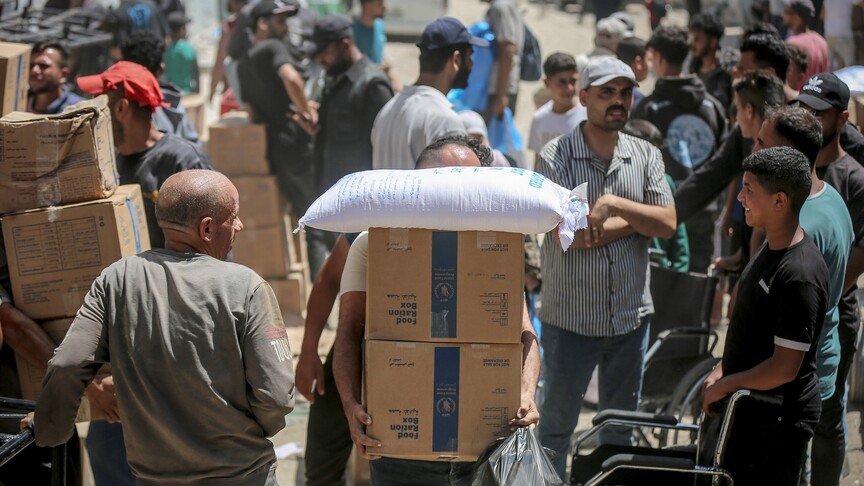
The United Nations World Food Programme (WFP) has issued a stark warning that the ongoing crisis in the Middle East is pushing millions of additional people into the circle of severe food insecurity. The agency attributes this dangerous escalation to the skyrocketing costs of fuel, food, and fertilizers, whose ripple effects are extending far beyond the region's geographical boundaries.
The UN agency reported that the intensification of conflicts in the region has led to significant increases in the prices of essential commodities, exacerbating the suffering of vulnerable countries that rely heavily on food imports. This development coincides with climate disruptions and global economic inflation, creating a perfect storm for food insecurity.
WFP Warnings on Escalating Food Insecurity
Reports issued by the World Food Programme (WFP) reveal that the sharp rise in maritime and air transport costs—driven by fuel price surges—has led to substantial increases in food import bills for developing nations. The agency noted that millions of families in fragile countries have become unable to secure their basic daily meals.
The program confirmed that rising agricultural fertilizer costs threaten the next harvest season in many farming regions, which could worsen the food crisis in the medium term. This situation risks doubling the number of people suffering from food insecurity, currently estimated at one billion people globally.
Crisis Background and Global Supply Chain Disruptions
These warnings come within the context of ongoing disruptions affecting global supply chains since the COVID-19 pandemic, which were exacerbated by the war in Ukraine before being compounded by the current Middle East crisis. The Arab region ranks among the most affected areas due to its high dependence on external food imports.
The world is currently witnessing a new wave of price increases for grains and vegetable oils, amid threats to maritime trade routes through strategic passages such as the Suez Canal and the Bab el-Mandeb Strait. These disruptions have increased food shipping costs by rates reaching up to 40%, costs ultimately borne by consumers in impoverished nations.
Far-Reaching Economic and Humanitarian Consequences
Economic experts indicate that fertilizer price increases exceeding 60% compared to pre-crisis levels will inevitably lead to decreased agricultural productivity in the coming season. This may force farmers in developing countries to reduce cultivated areas or resort to less productive traditional farming methods, meaning shrinking food supplies and even higher prices.
International relief organizations warn that children, pregnant women, and the elderly will be the most affected groups by this crisis, particularly in refugee and internally displaced persons camps. These conditions may lead to outbreaks of severe acute malnutrition, especially in areas already suffering from collapsed healthcare systems.
Most Vulnerable Arab Nations
Yemen, Somalia, Syria, and Sudan top the list of countries most exposed to the repercussions of this crisis, where millions already suffer from food scarcity and collapsing purchasing power. Lebanon and Libya also face immense economic pressures that render them unable to import their basic food requirements.
Amid these challenges, the need for urgent international interventions has become critical to secure necessary funding for food relief programs and establish safe corridors for delivering humanitarian aid. The situation also demands regional cooperation to diversify food import sources and develop strategic reserves sufficient to withstand future shocks to global supply chains.