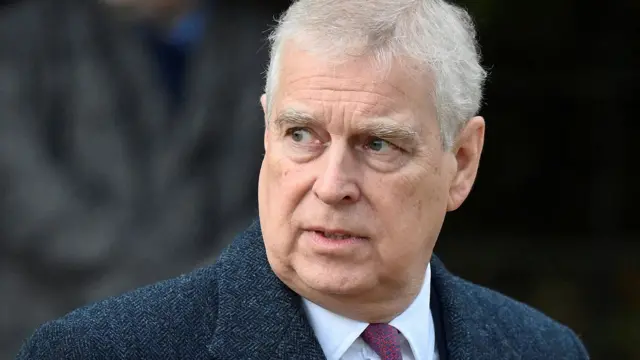
An official report from the UK's public spending oversight body has revealed that Prince Andrew, brother of King Charles III, generated undisclosed financial income by subletting three homes belonging to the luxurious Royal Lodge palace in Windsor, despite renting them himself from the state-owned Crown Estate real estate company.
The report stated that the 64-year-old prince violated lease terms binding him to the company responsible for managing royal properties, raising new questions about the transparency of financial dealings within the ruling family and the extent to which its members comply with laws regulating the use of public properties.
Details of the Subletting Violations
According to documents reviewed by the Parliamentary Oversight Body, Prince Andrew rented the three homes from Crown Estate, which manages a massive real estate portfolio worth billions of pounds on behalf of the royal family and the British state. Instead of using these homes for private residential purposes as stipulated in the contract, he converted them into a source of income by subletting them to third parties without obtaining prior permission or notifying relevant authorities.
Royal Lodge, located within the historic grounds of Windsor Castle, has served as Prince Andrew's primary residence for decades. However, his lease agreement is subject to strict conditions prohibiting the generation of any commercial profits from rented properties. Investigators have identified indicators that these practices continued for an unspecified period, raising suspicions about the magnitude of profits he gained from these operations.
Background and Ongoing Crises
This financial scandal adds to a long series of crises facing Prince Andrew, who stepped down from his official royal duties in November 2019 following the scandal of his relationship with the late billionaire Jeffrey Epstein and sexual assault allegations. This step intensified his financial isolation, as annual royal allocations ceased, forcing him to seek alternative income sources to maintain his luxurious lifestyle and cover maintenance costs of the massive palace.
Observers see this incident as reflecting increasing financial pressures on the British royal family, particularly amid King Charles's efforts to reduce expenses and modernize the public image of the royal institution. Reports had previously emerged about the King's desire to remove his brother from Royal Lodge to hand it over to Crown Prince William, but Andrew refused to leave the 30-room residence, leading to ongoing family and financial tensions.
Political Fallout and Consequences
The disclosure of these practices has sparked a wave of criticism in parliamentary circles and British public opinion, with MPs demanding a transparent investigation into all of the Prince's real estate dealings. Analysts believe this incident may accelerate the process of cutting financial support to Andrew, or impose strict supervision on his future financial activities.
The incident also highlights the Crown Estate system, which manages assets valued at £15.6 billion, and questions about the effectiveness of oversight and ensuring they are used for citizens' benefit rather than for private purposes of royal family members. MPs from the Labour and Liberal parties have called for a comprehensive review of how these estates are managed and their revenues distributed.
Regional and Global Significance
Ruling families in the Gulf Arab region and the Middle East are watching these developments with great interest, given the close historical ties between the British royal family and ruling families in the region. This scandal is considered an example of the importance of financial transparency in managing sovereign assets, a lesson that Arab states seeking to develop their administrative and financial systems may benefit from.
The news also highlights the challenges facing constitutional monarchies in the modern era, where public opinion has become more sensitive to any practices suggesting exploitation or nepotism in the use of public properties. This may affect the nature of diplomatic and economic relations between Britain and its Arab partners, particularly amid ongoing efforts to enhance anti-corruption measures and recover looted funds internationally.