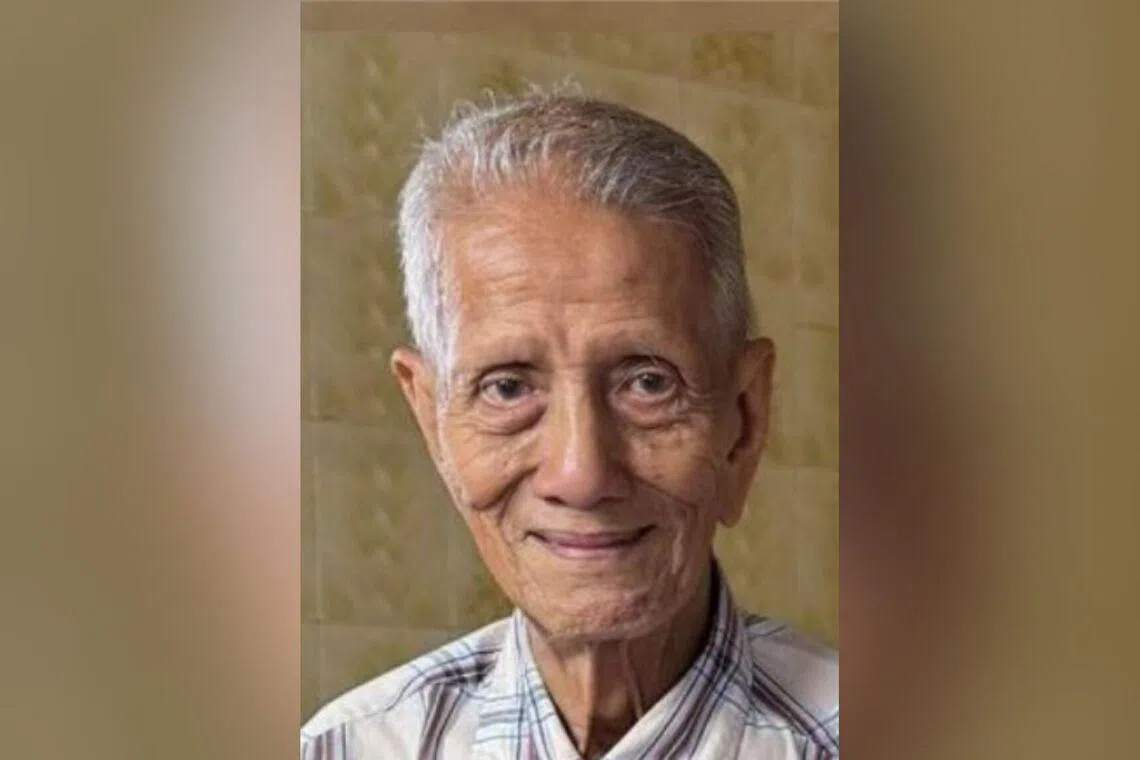
Singaporean authorities have launched an intensive search operation involving security and rescue teams to locate a senior citizen aged 87 years, who went missing in the Bukit Batok area of western Singapore. The man, identified as Liu Chin Teck, was last seen at precisely 8:10 AM on the morning of June 4th.
Cases of elderly disappearances in the city-state trigger full-scale mobilization of security resources, given the dangerous health and psychological conditions seniors may face amid the region's hot tropical climate and high humidity. Police issued a statement urging citizens and residents to provide any information that could help determine the missing person's location.
Details of the Disappearance and Last Known Movements
According to preliminary data released by the Singapore Police Force, the missing man suffers from age-related health conditions, increasing family concerns for his wellbeing. The last confirmed sighting occurred in the early morning hours of last Wednesday, within the Bukit Batok neighborhood, known for its high population density and tall residential buildings.
Bukit Batok is considered a model district in Singapore's urban planning, combining public housing complexes with commercial facilities and public transportation. This complicates search efforts due to the numerous locations where the missing person might be found, ranging from air-conditioned shopping centers to public parks and green spaces surrounding residential towers.
Elderly Disappearances in Dense Urban Environments
This incident highlights a health and social challenge facing advanced Asian societies. Statistics indicate rising rates of memory loss and dementia among Singapore's elderly, which ranks among countries with the highest aging populations globally. Health authorities estimate that a significant percentage of seniors over eighty suffer from varying degrees of cognitive disorders and disorientation.
Singapore implements multiple preventive programs to address this phenomenon, including voluntary electronic tracking systems and family awareness programs on handling seniors with Alzheimer's. However, these measures do not eliminate the risk of sudden disappearance, especially given the fast-paced nature of city life that may contribute to neglecting care for the most vulnerable segments of society.
Security Response and Humanitarian Concerns
The ongoing search operation exemplifies the importance of integration between security agencies and civil society in handling humanitarian emergencies. The Singapore Police typically cooperate with local volunteer teams and civil society organizations to spread awareness and identify last sightings, while utilizing CCTV surveillance technology and digital analysis to track missing persons in public spaces.
Humanitarily, disappearance cases cause deep psychological shock in family circles, particularly when involving individuals bearing long memories and deep family history. The initial waiting hours constitute a critical phase, as the probability of finding the missing person safely decreases with time, doubling relatives' stress and requiring swift, coordinated intervention.
Regional Lessons for Elderly Care Systems
Despite the geographical distance between Singapore and the Arab world, the issue of elderly care and preventing their displacement remains a shared concern. In Gulf Arab states, Egypt, and Jordan, cases of seniors going missing in markets and streets recur, necessitating drawing inspiration from successful experiences in urban planning and social services. Singapore has succeeded in building a social safety net combining home healthcare with community monitoring.
These incidents provide an opportunity to emphasize the need for specialized Arab programs to protect seniors from getting lost, such as issuing electronic identity cards carrying emergency data, and intensifying security patrols in crowded areas frequented by seniors. The situation also reminds us of the importance of family ties and daily attention to grandparents, as well as educating younger generations about the risks of isolation suffered by seniors.
The eyes of Liu Chin Teck's family and all Singaporeans remain fixed on the horizon, awaiting the senior's safe return to his family's embrace, in a scene embodying human societal solidarity in facing tribulations, and reminding us all that a nation's value is measured by its care for its most vulnerable categories.