A report by 'The Atlantic' has revealed that the US military is considering two potential ground attacks inside Iran, specifically targeting Khark Island, a key center for Iran's energy production, with the aim of seizing enriched uranium to disrupt Tehran's nuclear program. This development coincides with the deployment of thousands of additional troops to the region, reflecting a potential escalation in tensions between Washington and Tehran.
According to the magazine, the proposed attacks are still under consideration, and no final decision has been made. Sources indicate that the Trump administration is awaiting the green light from President Trump, who has yet to approve any of the options presented. Reports also suggest that Washington does not guarantee that either operation would lead to a swift end to the conflict, the collapse of the Iranian regime, or the reopening of the Strait of Hormuz.
Details of the Event
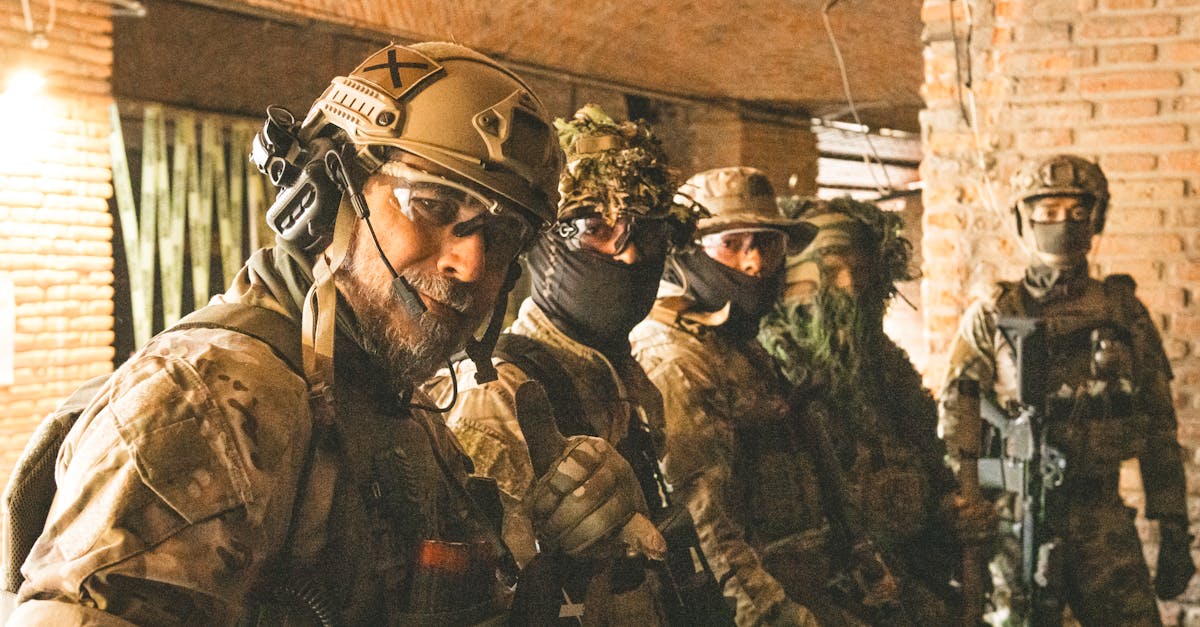
Over the weekend, approximately 3,500 US Marines and sailors arrived in the region, with another 3,500 expected in the coming weeks. Hundreds of US special operations forces are already stationed in the area, indicating a growing military readiness.
Current and former US officials have pointed out that controlling Khark Island could cut off a major source of revenue for the Iranian regime, complicating its ability to fund military operations. This move could also provide significant leverage in any future negotiations with Tehran.
Background & Context
These developments come at a time when pressures from Israel on the United States are increasing to carry out a 'short and powerful' ground operation against Iran before engaging in any potential negotiations. Israeli officials have expressed concerns over Trump's conflicting positions between ending the war and escalating it, reflecting a hesitance in decision-making.
At the same time, Trump is weighing two main options: escalating the war by targeting Iranian energy facilities, particularly in Khark Island, or negotiating an agreement that restricts Iran's missile and nuclear programs without a complete dismantling of its military infrastructure.
Impact & Consequences
These developments underscore the escalating tensions in the Middle East, where any US military operations against Iran could provoke strong reactions from Tehran, increasing the likelihood of conflict escalation. Furthermore, these actions could affect the stability of the entire region and heighten tensions between major powers.
Moreover, any attack on Iran could lead to significant economic repercussions, not only for Iran but also for neighboring countries and global markets, particularly concerning oil prices.
Regional Significance
The recent developments in US-Iranian relations are particularly significant for Arab countries, as they could impact security and stability in the region. In the event of military escalation, neighboring countries may be directly affected, increasing uncertainty in the area.
Additionally, any escalation could lead to an influx of refugees and heightened sectarian tensions, negatively impacting regional security. Thus, Arab nations are closely monitoring these developments as they strive to maintain stability amid these changing circumstances.
In conclusion, the situation in the Middle East remains complex, with intertwined political and military interests, making it difficult to predict the course of events in the near future.