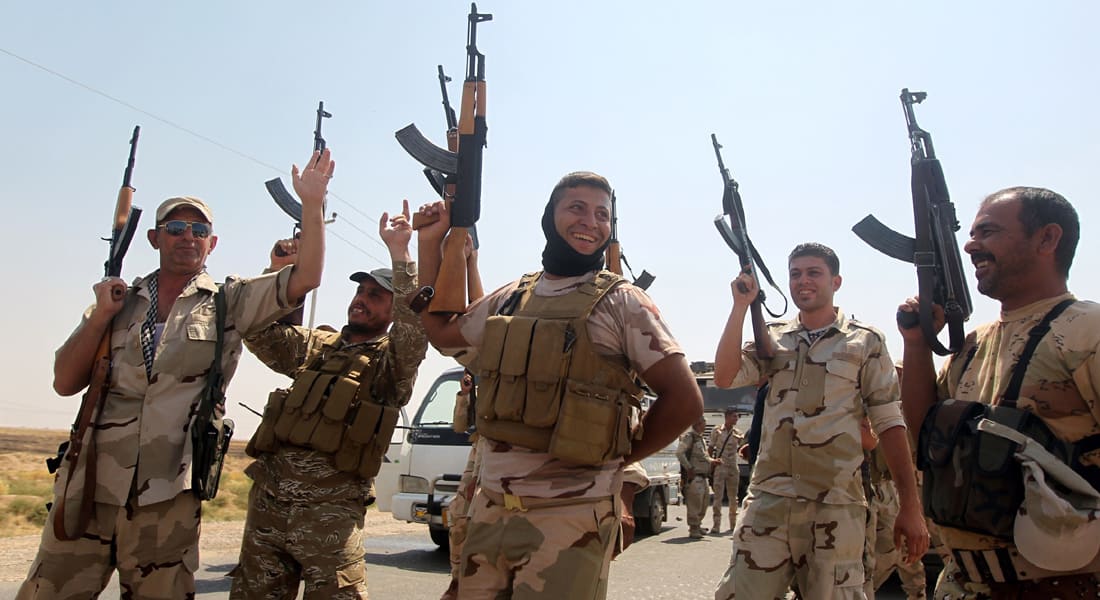
The US Department of Defense has announced the deployment of 2000 troops from airborne forces to the Middle East, as part of a strategy to bolster the US military presence in the region. This decision comes at a sensitive time, as diplomatic efforts have intensified following Pakistan's offer to host talks between the United States and Iran, raising questions about the potential for progress in the strained relations between the two parties.
While it appears that US President Donald Trump has expressed support for Pakistan's offer, the official positions from Iran and Israel regarding the proposed US peace plan remain unclear. This ambiguity complicates the situation in the Middle East, which is already suffering from ongoing tensions.
Details of the Deployment
This move is part of the United States' strategy to enhance its military presence in the Middle East, particularly amid rising tensions with Iran. The Pentagon has confirmed that these troops will contribute to enhancing security and stability in the region; however, they may also provoke negative reactions from Iran and its allies.
On the other hand, Pakistan's offer to host talks between the United States and Iran indicates Islamabad's desire to play a larger role in resolving regional conflicts. However, the success of these talks heavily depends on both parties' willingness to come to the negotiating table.
Background & Context
Historically, relations between the United States and Iran have been tense since the Islamic Revolution in 1979, witnessing several crises and conflicts. In recent years, these tensions have escalated significantly, especially following the US withdrawal from the Iranian nuclear deal in 2018 and the re-imposition of economic sanctions on Tehran.
At the same time, Israel continues to monitor Iranian activities in the region, viewing Iran as an existential threat. Israel has conducted several military operations against Iranian targets in Syria, further heightening tensions in the area.
Impact & Consequences
These developments could lead to greater military escalation in the region, as Iran may respond to the bolstering of US forces with military actions or by supporting its allies in the area. Furthermore, any failure in the potential talks could exacerbate security conditions, affecting regional stability.
Moreover, the presence of additional US troops in the region may raise concerns among neighboring countries and intensify tensions between the United States and Iran, potentially leading to open conflict.
Regional Significance
Arab countries neighboring Iran are on high alert, as any military escalation between the United States and Iran could impact their security and stability. Additionally, these events may affect oil prices and financial markets, negatively impacting Arab economies.
In conclusion, the most pressing question remains: Will diplomatic efforts succeed in easing tensions, or will the region witness a new military escalation?