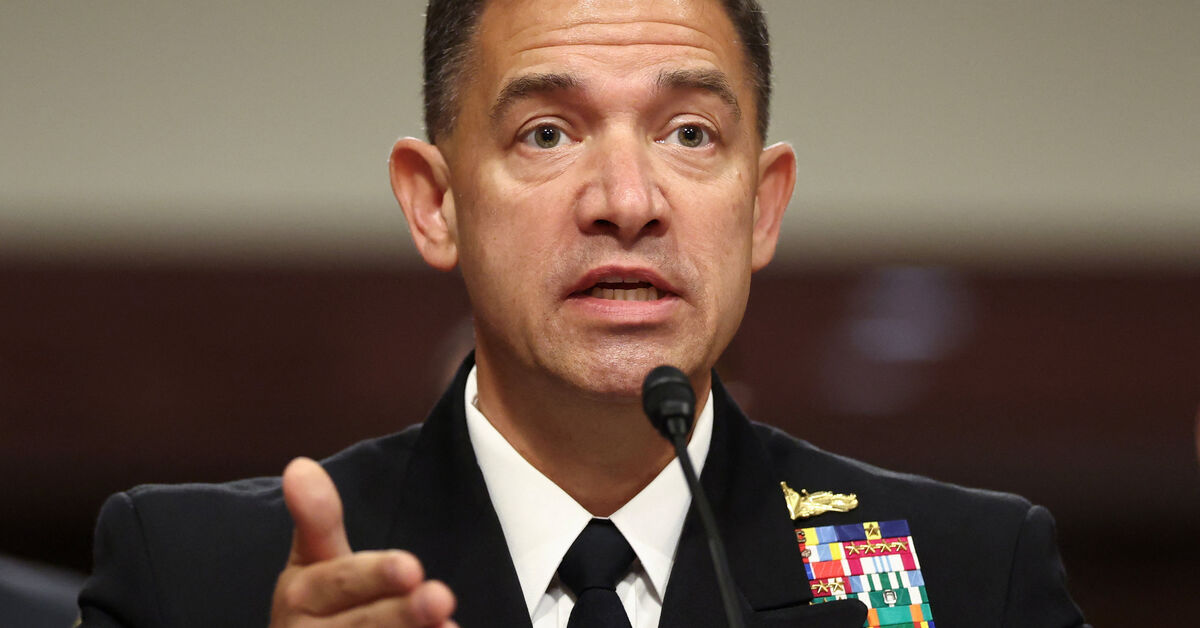
U.S. Admiral Brad Cooper, commander of U.S. Central Command, confirmed that the military pressures exerted by the United States on Iran have led to a significant reduction in Tehran's capacity to threaten its neighbors and U.S. interests in the region. Cooper explained that the war against Iran has resulted in a decrease in the risks posed by Iran to the Middle East as a whole.
Cooper pointed out that U.S. military pressures, including airstrikes, have led to a decline in Iran's defense industry by as much as 90%. These figures reflect the tactical success achieved by the United States in its military campaign against Iran, aimed at reducing security threats in the region.
Details of the Event
Cooper's statements come at a sensitive time when the region is experiencing increasing tensions, as the United States seeks to bolster its military presence in the Middle East to counter Iranian challenges. Numerous airstrikes targeting strategic sites in Iran have been carried out, contributing to a reduction in its military capabilities.
Cooper also noted that these military operations were not limited to Iran alone but were also aimed at protecting U.S. allies in the region, such as Saudi Arabia and Israel, who are concerned about Iran's escalating activities.
Background & Context
Historically, Iran has always been a key player in regional politics, seeking to expand its influence by supporting armed groups in Iraq, Syria, and Lebanon. This has led to heightened tensions with the United States and its allies, prompting Washington to take direct military steps to address these threats.
In recent years, relations between Iran and the United States have significantly deteriorated, especially following the U.S. withdrawal from the nuclear agreement in 2018. This withdrawal escalated tensions and increased military activities in the region, complicating the situation further.
Impact & Consequences
These developments are of great importance to regional politics, as they could lead to a shift in the balance of power in the Middle East. The decline in Iran's ability to threaten its neighbors may open the door for the United States and its allies to enhance their influence in the region.
However, these developments must be approached with caution, as the reduction of Iran's military power could provoke unexpected reactions from Tehran, including an escalation of military activities in other areas or increased support for armed groups.
Regional Significance
For Arab countries, the decline in Iran's ability to threaten its neighbors could have positive effects, potentially leading to greater stability in the region. Countries like Saudi Arabia and the UAE may feel more at ease with the reduction of Iranian threats, which could contribute to enhanced security and economic cooperation among Arab states.
Nevertheless, Arab countries must remain vigilant, as any escalation from Iran could destabilize the region. It is crucial for Arab nations to continue strengthening their defensive capabilities and cooperating with allies to ensure their security and stability.