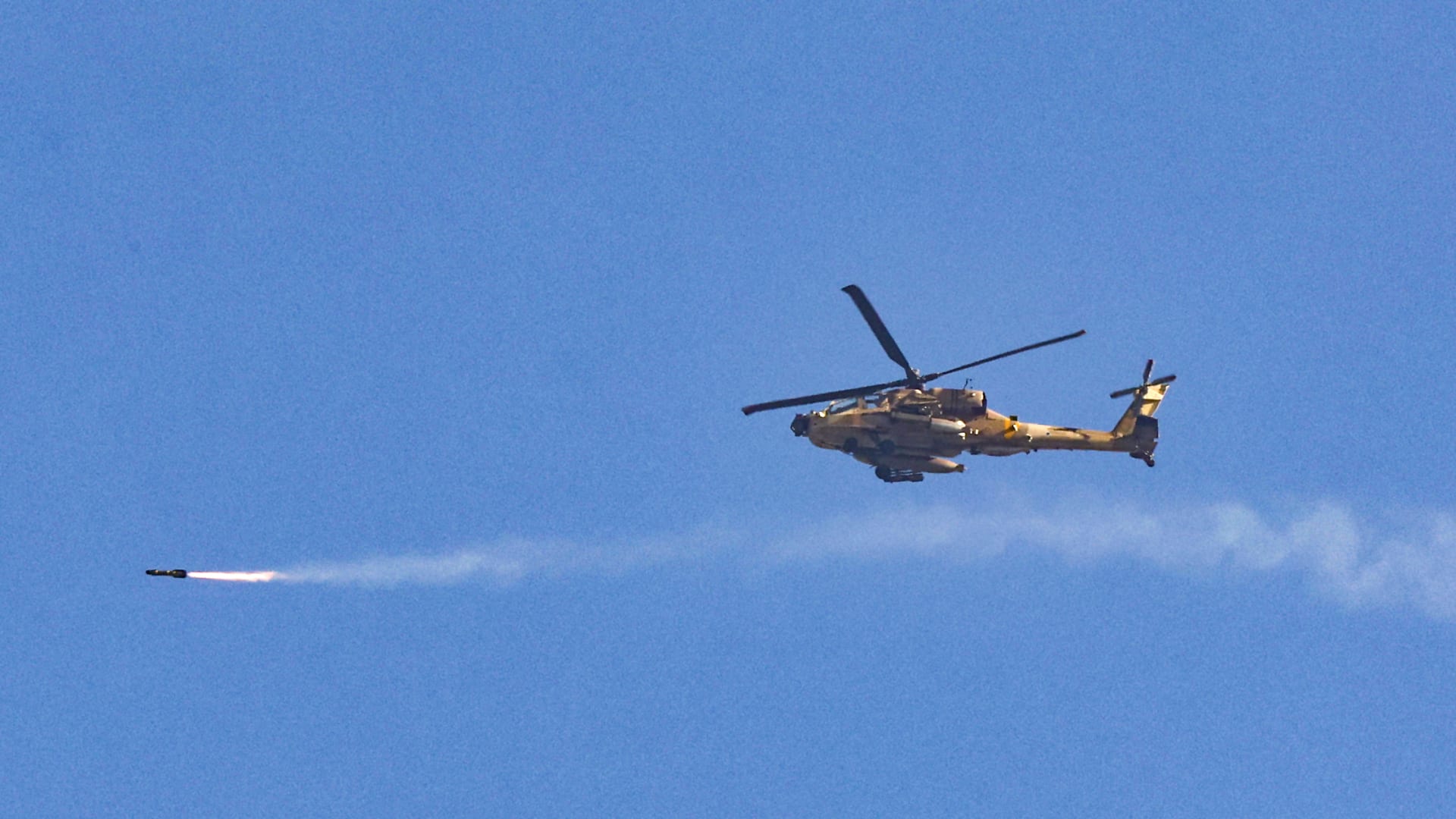
General Brad Cooper, the leader of US Central Command (CENTCOM), recently stated that military operations led by the United States in the region have resulted in a significant reduction in Iranian drone and missile launches, with a decrease of 90%. This achievement reflects the effectiveness of US military strategy in countering Iranian threats.
These statements come at a time when the Middle East is experiencing increasing tensions, as the United States seeks to bolster its military presence in the region to counter destabilizing Iranian activities. Cooper noted that these military operations encompass a range of measures aimed at undermining Iran's ability to carry out attacks using drones and missiles.
Details of the Operations
The US military operations in the region involve the use of advanced technologies and precise surveillance systems, which have contributed to accurately identifying targets. Additionally, cooperation with US allies in the region has enhanced the effectiveness of these operations. Cooper emphasized that these efforts have led to a reduction in the threats posed by Iran to regional and international security.
In this context, Cooper pointed out that these operations are not limited to military aspects alone but also include diplomatic efforts aimed at persuading Iran to change its behavior. This has involved pressuring Tehran to limit its nuclear and missile activities, which is part of a broader US strategy in the region.
Background & Context
Concerns about Iranian activities in the Middle East have been growing for years, as Tehran is considered a key player in many regional conflicts. These activities have led to escalating tensions between Iran and the United States, especially following the latter's withdrawal from the nuclear agreement in 2018. Since then, Washington has pursued a policy of maximum pressure on Iran, exacerbating the situation in the region.
Historically, Iran has used drones and missiles as deterrent tools, significantly developing its military capabilities. However, the current US military operations indicate a shift in the balance of power in the region, as the United States seeks to regain control over security conditions.
Impact & Consequences
The results announced by Cooper underscore the importance of US military operations in reducing Iranian threats, which may contribute to stability in the region in the short term. However, this stability could be fragile, as Iran still possesses the capability to resume its military activities at any time.
Moreover, these operations could escalate tensions with Iran, which may perceive them as a threat to its sovereignty. Consequently, any escalation in the situation could lead to military responses from Tehran, increasing the risk of a larger conflict in the region.
Regional Significance
Neighboring Arab countries, such as Iraq and Syria, are among the most affected by the current tensions. These countries are striving to balance their relations with both the United States and Iran. US military operations may impact the stability of these nations, potentially leading to negative repercussions for regional security.
In conclusion, the situation in the Middle East remains complex, with overlapping regional and international interests. As US military operations continue, the question remains about how this will affect the future of relations between Iran and Arab countries, as well as regional security in general.