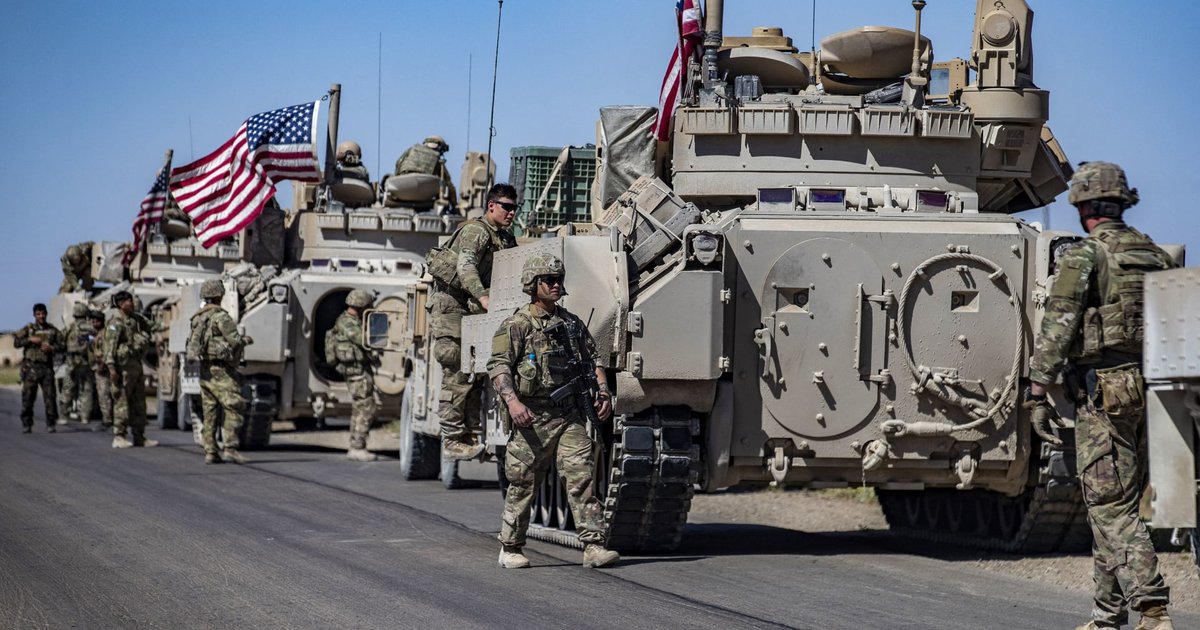
Speculation is increasing regarding the United States' plans for a potential attack on Iran's Khark Island, which is considered a vital center for Iranian oil exports. Controlling this island from the sea or air could lead to suffocating the Iranian regime, threatening its continuity. However, this move carries significant risks that could draw U.S. forces into an open-ended conflict.
Khark Island, located in the Arabian Gulf, is one of the most important oil export points for Iran, exporting nearly 90% of Iranian oil to global markets. Therefore, controlling it could undermine Iran's ability to finance its military and economic activities, potentially destabilizing the regime.
Details of the Event
Reports indicate that the U.S. attack could occur through air or naval military operations, allowing the United States to seize control of vital facilities on the island. This move comes amid escalating tensions between the U.S. and Iran, especially following Washington's withdrawal from the Iranian nuclear deal in 2018 and the re-imposition of economic sanctions.
If this attack is executed, it could be considered a significant escalation in the ongoing conflict, as Iran may respond in various ways, including targeting U.S. forces in the region or increasing its military activities elsewhere.
Background & Context
Historically, relations between the United States and Iran have been tense since the Islamic Revolution in 1979. Since then, the region has witnessed numerous crises and conflicts, including civil wars and military occupations. In recent years, tensions have intensified following the assassination of Iranian General Qassem Soleimani in 2020, which had a significant impact on regional stability.
Khark Island is part of Iran's strategy to maintain its influence in the Arabian Gulf, where the waterways in this region are vital for global oil trade. Any threat to these waterways could provoke strong reactions from Iran, complicating the security situation in the region.
Impact & Consequences
If the United States carries out its attack on Khark Island, it could lead to significant military escalation in the region. Iran is likely to take retaliatory actions, which could provoke reactions from other countries in the region, especially those cooperating with the United States. This escalation could threaten the stability of the entire region and increase tensions between major powers.
Furthermore, any escalation in the conflict could directly affect global oil prices, potentially leading to price hikes due to instability in the Gulf region. This situation could impact the global economy, especially given the current economic conditions faced by many countries.
Regional Significance
Given the current situation, any military escalation in the Arabian Gulf would have direct implications for neighboring Arab countries. Nations such as Saudi Arabia and the United Arab Emirates may find themselves in a precarious position, facing pressures from both sides. Additionally, any escalation could lead to an influx of refugees and increased sectarian tensions in the region.
Ultimately, the question remains whether the United States will take this bold step and what the potential consequences will be. The situation in the Arabian Gulf requires extreme caution, as any misstep could lead to an undesirable escalation.