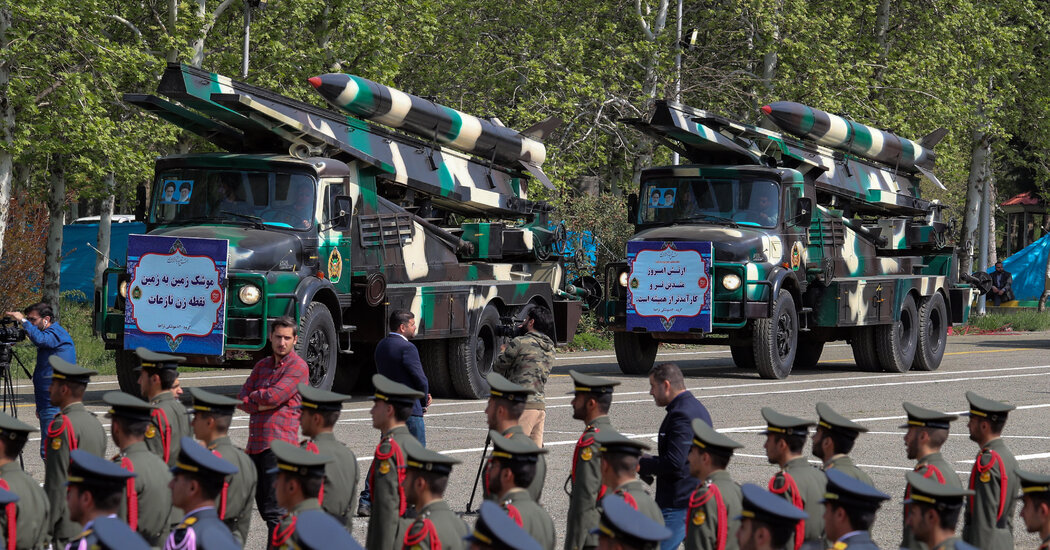
The United States is gearing up for potential ground operations against Iran, with reports indicating preparations within the Pentagon to expand the current conflict, which has primarily been conducted through airstrikes. These developments follow President Donald Trump's revival of the idea of military control, raising questions about the strategic objectives behind this shift.
Concerns are growing that any ground intervention could escalate the conflict in the Middle East, where U.S. forces are present in several countries. Reports suggest that the Pentagon is considering multiple options, including the deployment of ground troops, which could alter the nature of the ongoing conflict.
Details of the Event
According to the French newspaper "Le Figaro," the United States is preparing for scenarios that include a ground intervention in Iran, necessitating new strategies to address military challenges. Reports have indicated that there are discussions within the U.S. administration regarding how to implement this intervention, and whether it would be limited or comprehensive.
Information suggests that President Trump is seeking to bolster his military position in the region, especially following pressures his administration has faced due to deteriorating situations in Iraq and Syria. Trump has reiterated the importance of controlling Iranian territories as part of his strategy to counter increasing Iranian threats.
Background & Context
Historically, U.S.-Iranian relations have seen increasing tensions since the Islamic Revolution in 1979. These tensions have particularly escalated after the United States withdrew from the Iranian nuclear deal in 2018, leading to severe economic sanctions on Tehran. With the rise of Iranian military activities in the region, U.S. military intervention has become a viable option on the table.
In recent years, the region has witnessed an escalation in military activities, including attacks on oil facilities in Saudi Arabia, which Iran has been accused of orchestrating. This escalation has prompted the United States to enhance its military presence in the Gulf, increasing the likelihood of armed conflict.
Impact & Consequences
If U.S. ground intervention in Iran is executed, it is likely to have significant repercussions on regional and international security. Such intervention could escalate the conflict in the region, threatening the stability of neighboring countries and intensifying sectarian tensions.
Moreover, the intervention could provoke violent reactions from Iran and its allies, complicating the security situation further. Any military intervention may also face internal opposition in the United States, as many politicians oppose the idea of entering a new war in the Middle East.
Regional Significance
Developments in Iran directly affect Arab countries, especially those sharing borders or strategic interests with Tehran. Any military escalation could destabilize Iraq, Syria, and Lebanon, where Iranian-linked militias are present.
Arab nations may find themselves compelled to take strong stances, either by supporting the United States or attempting to mediate to de-escalate tensions. Ultimately, the question remains about how these developments will impact Arab national security and whether they will lead to new alliances or escalate existing conflicts.
In conclusion, the potential scenarios for U.S. intervention in Iran remain a contentious topic, requiring close monitoring by the international community, especially amid rising tensions in the region.